
Explore the Fall Planted collection - Spring Flowering bulbs
Sort by:
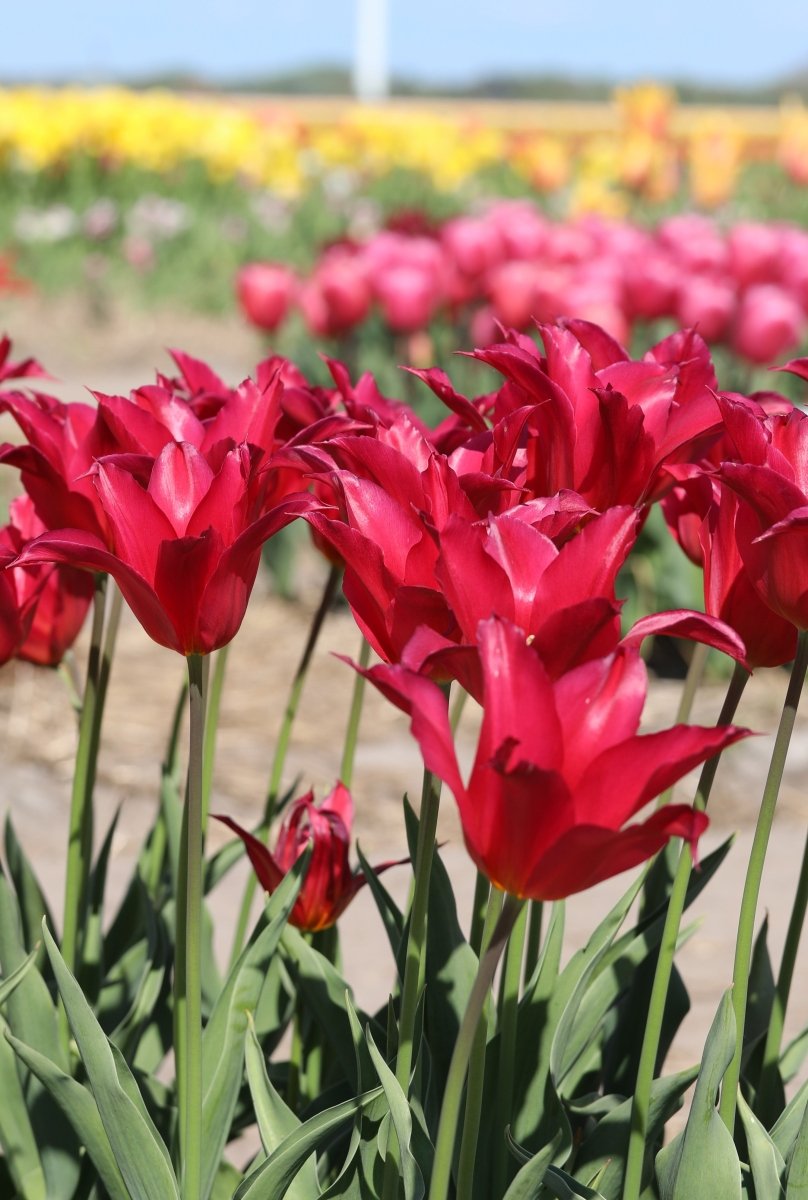
About Queen Rania
The Lily Flowering Tulip Queen Rania is a striking addition to any garden, offering a perfect blend of elegance and charm. Its delicate petals feature soft shades of pink and red, creating a sophisticated and beautiful display. Whether planted in flower beds, borders, or containers, this tulip variety is sure to stand out and bring a touch of royalty to your outdoor space.
-
Elegant blooms: soft pink, and red petals with a beautiful lily-like shape.
-
Long-lasting flowers: enjoy vibrant blooms that last for weeks in your garden.
-
Perfect for borders: ideal for planting in flower beds, borders, or containers.
-
Low maintenance: requires minimal care for maximum beauty.
-
Perfect for cutting: beautiful as cut flowers, ideal for floral arrangements.
How to plant and take care of Lily Flowering Tulip Queen Rania:
-
Plant bulbs: place bulbs 4-6 inches deep in well-draining soil for healthy growth.
-
Spacing: space bulbs about 6 inches apart to allow for proper air circulation and development.
-
Sunlight: choose a sunny location for these tulips to bloom at their best.
-
Watering: keep the soil moist, but avoid overwatering to prevent bulb rot.
-
Fertilize: apply a slow-release fertilizer in the spring to encourage strong, vibrant blooms.
-
Post-bloom care: after flowering, allow the leaves to die back naturally before removing them.
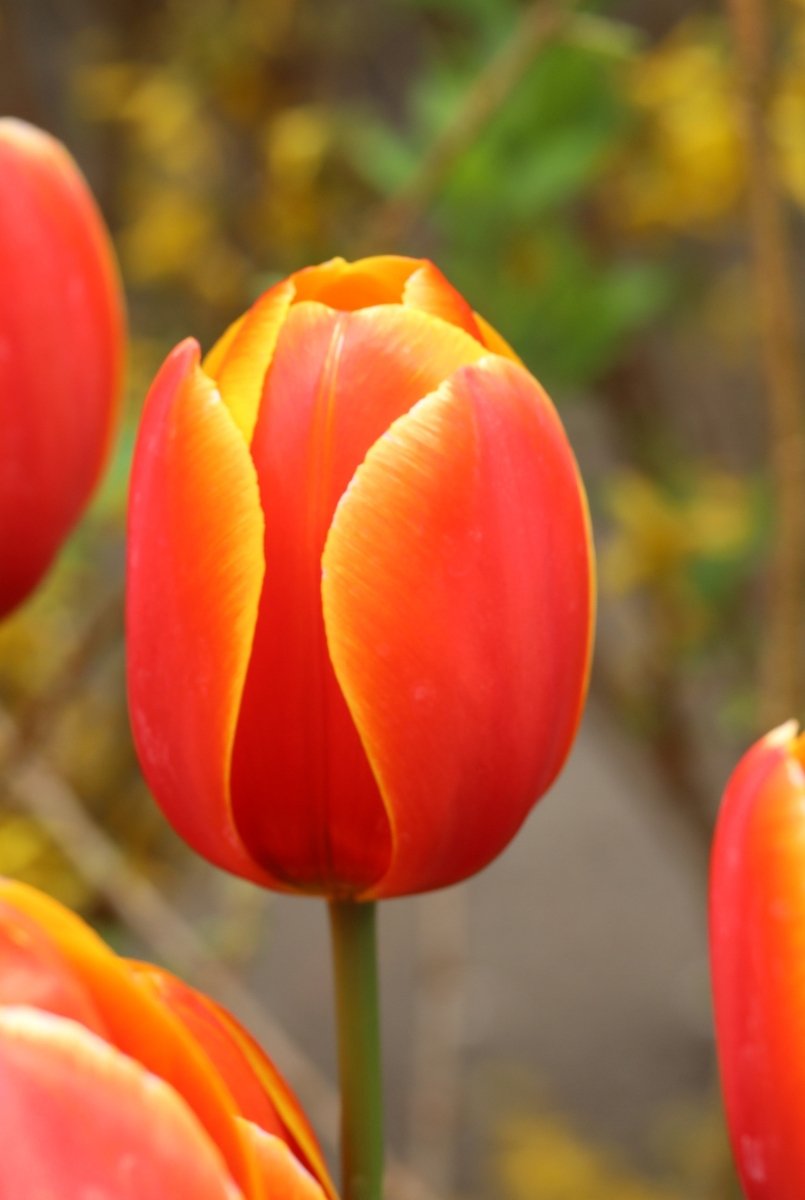
About Dafeng
The Darwin Hybrid Tulip Dafeng is a stunning addition to any garden, known for its large, vibrant blooms and long-lasting beauty. This tulip variety offers a rich color palette, with bold shades of red and orange that will brighten up your spring garden. Easy to grow and reliable, the Darwin Hybrid Tulip Dafeng brings a touch of elegance to your outdoor space, making it a favorite among gardeners.
-
Bold color: bright red and orange petals with a striking appearance.
-
Long-lasting blooms: flowering lasts for several weeks, adding continuous beauty.
-
Tall stems: strong, tall stems make these tulips perfect for borders and cut flower arrangements.
-
Hardy & resilient: ideal for a wide range of climates and weather conditions.
-
Low maintenance: requires minimal care once established, making it great for beginners.
How to plant and take care of Darwin Hybrid Tulip Dafeng:
-
Planting depth: plant bulbs 6-8 inches deep in well-draining soil.
-
Spacing: space bulbs about 4-6 inches apart to allow for healthy growth.
-
Sunlight: choose a sunny spot to ensure optimal flowering.
-
Watering: water well after planting, but avoid overwatering. Keep the soil moist, not soggy.
-
Fertilizing: use a balanced fertilizer in early spring to promote strong blooms.
-
Post-bloom care: allow the foliage to die back naturally, which helps the bulb store energy for next year's growth.
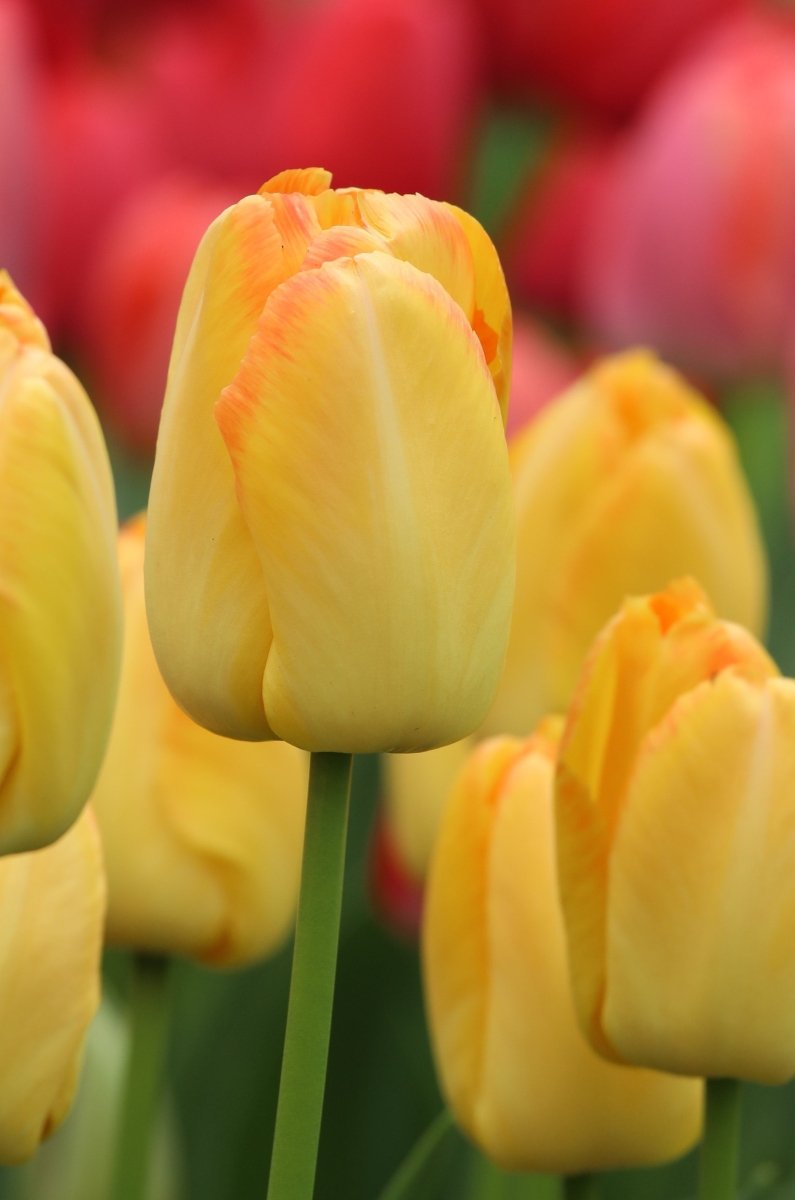
About Yellow Pride
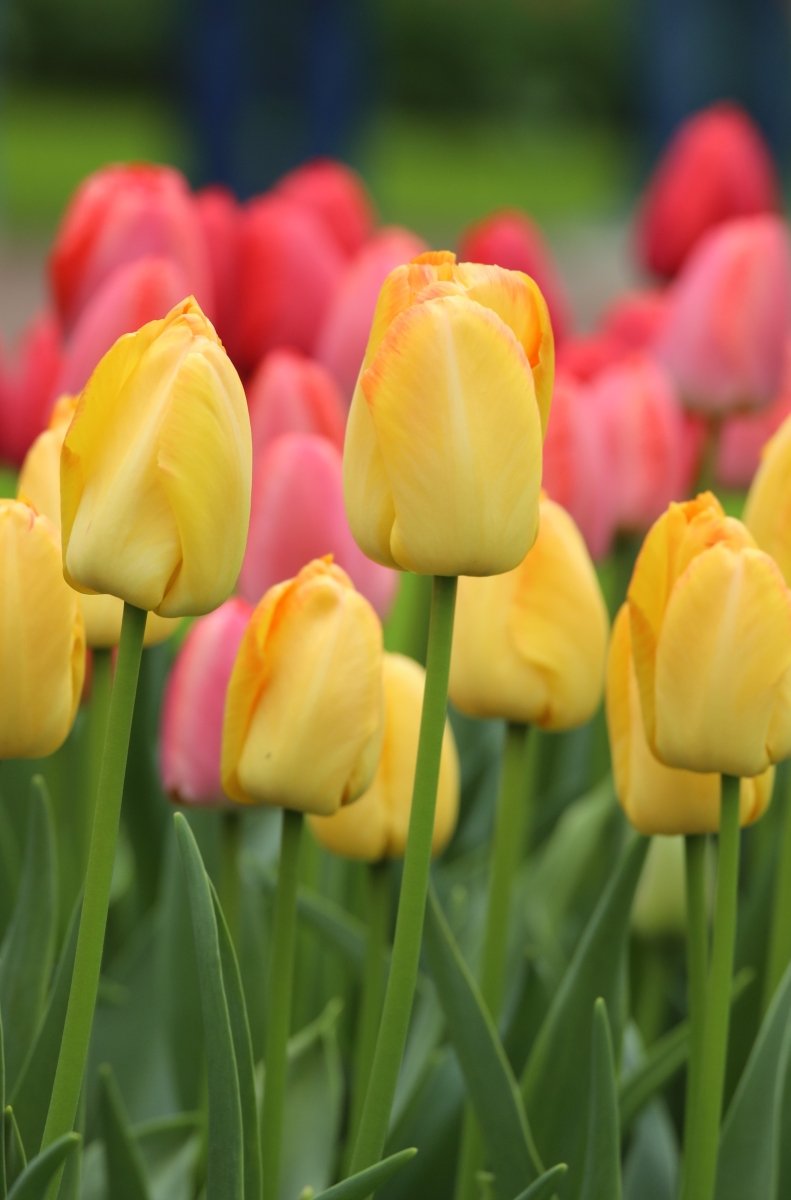
The Darwin Hybrid Tulip Yellow Pride brings a vibrant burst of yellow to your garden with its large, bold flowers. Perfect for borders, flower beds, or containers, these stunning tulips create a cheerful and radiant atmosphere. Their strong stems and striking color make them a must-have for any spring garden.
-
Bright yellow blooms: show-stopping, large golden-yellow flowers that bloom in spring.
-
Long-lasting: known for their durability and longer bloom period compared to other tulips.
-
Ideal for planting in groups: create a stunning display with multiple bulbs planted together.
-
Resistant to disease: enjoy a healthy, thriving garden with minimal care.
-
Perfect for borders and containers: adds instant color to any garden or balcony.
How to plant and take care of Darwin Hybrid Tulip Yellow Pride:
-
Plant the bulbs 6-8 inches deep in well-draining soil.
-
Space bulbs 4-6 inches apart for optimal growth and air circulation.
-
Choose a location with full or partial sunlight for the best blooms.
-
Water well after planting, then reduce watering once the bulbs begin to grow.
-
Fertilize in early spring with a balanced, slow-release fertilizer for a strong bloom.


About Red Pride
The Darwin Hybrid Tulip Red Pride is a stunning flower that adds bold color and elegance to your garden. Its deep red petals and sturdy stems make it perfect for both formal gardens and casual landscaping. This classic tulip variety is known for its long-lasting blooms, creating a beautiful display that will impress throughout spring.
-
Vibrant red color: adds bold contrast and beauty to any garden.
-
Long-lasting blooms: these tulips flower in late spring, providing a beautiful view for weeks.
-
Strong, tall stems: resistant to wind, ensuring your tulips stand proudly.
-
Ideal for borders and containers: perfect for planting in garden beds, along walkways, or in pots.
-
Deer-resistant: keep your garden safe from animal damage.
How to plant and take care of Darwin Hybrid Tulip Red Pride:
-
Planting depth: plant bulbs 6-8 inches deep in well-drained soil.
-
Spacing: space each bulb about 4-6 inches apart to give them room to grow.
-
Sunlight: choose a spot with full or partial sunlight for best results.
-
Watering: water the bulbs after planting, and keep the soil slightly moist, but not soggy.
-
Fertilization: apply a slow-release fertilizer at planting time for healthy growth.
-
Post-bloom care: after the tulips bloom, allow the foliage to die back naturally before removing it to ensure energy is stored for next season.


About Pink Pride
Darwin Hybrid Tulip Pink Pride brings elegance and charm to any garden. With its stunning pink petals and tall, sturdy stems, this tulip is a standout in spring gardens. Perfect for flower beds, borders, or containers, it blooms in vibrant colors that attract the eye and lift the mood. Its large flowers and long-lasting blooms make it a must-have for garden enthusiasts.
-
Beautiful pink blooms: large, vibrant flowers create a striking visual display.
-
Tall, sturdy stems: perfect for creating a bold and elegant garden look.
-
Long-lasting flowers: enjoy months of color and beauty in your garden.
-
Easy to grow: perfect for both beginner and experienced gardeners.
-
Perfect for borders & containers: versatile and adaptable to different garden settings.
How to plant and take care of Darwin Hybrid Tulip Pink Pride:
-
Planting depth: plant bulbs 6-8 inches deep in well-draining soil.
-
Spacing: space the bulbs 4-6 inches apart for optimal growth.
-
Sunlight: ensure the tulips get full sun for at least 6 hours a day.
-
Watering: water deeply after planting but avoid over-watering to prevent bulb rot.
-
Fertilization: add a balanced fertilizer in early spring for better blooming.
About Alibi
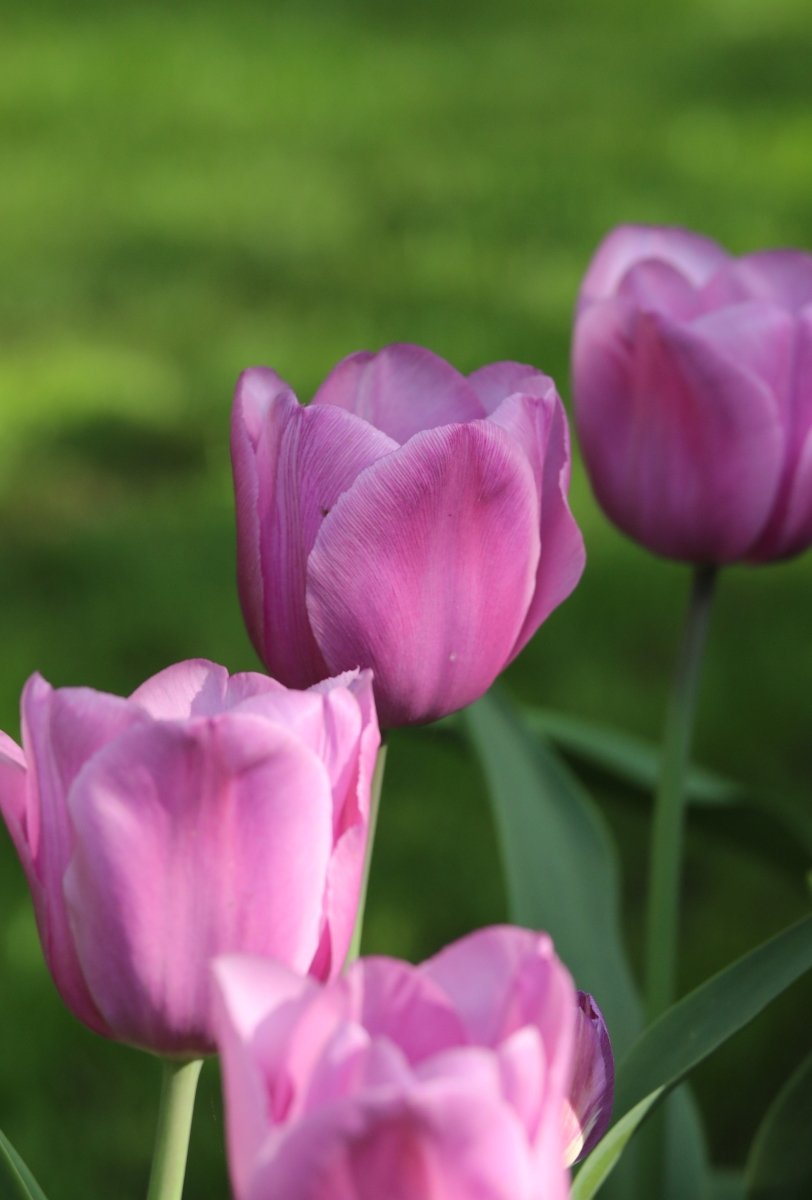
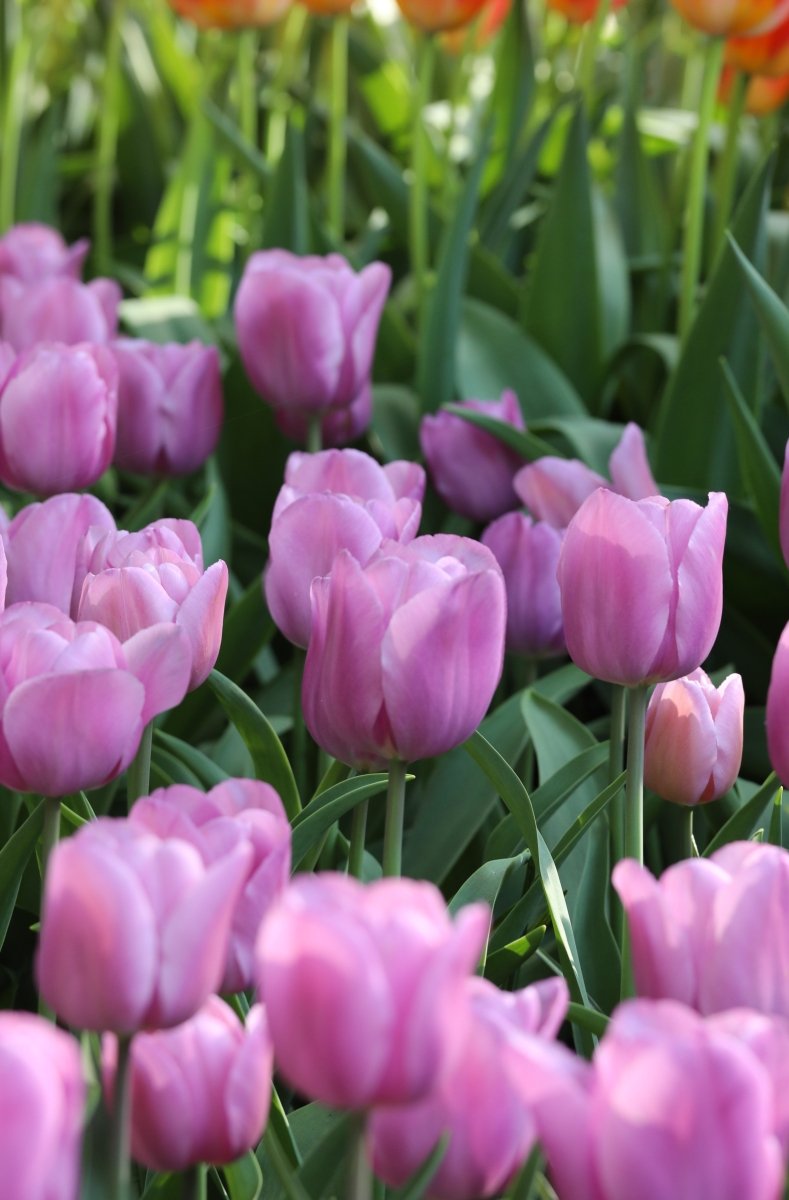
The Triumph Tulip Alibi is a must-have addition to any garden. With its vibrant, bold tones of purple and sturdy stems, this tulip variety brings energy and life to your outdoor space. The mix of bright hues and elegant shape makes it a standout choice for borders, flower beds, or containers. Whether you're a seasoned gardener or a beginner, these tulips are easy to care for and perfect for adding a pop of color to your garden.
-
Vibrant colors: a striking blend of purples
-
Strong stems: perfect for windy areas, as they stand tall and firm.
-
Long-lasting blooms: enjoy beautiful flowers throughout spring.
-
Easy to grow: low maintenance and great for beginner gardeners.
-
Deer resistant: keeps your tulips safe from curious animals.
How to plant and take care of Triumph Tulip Alibi:
-
Planting depth: plant bulbs 6-8 inches deep in well-drained soil.
-
Spacing: space bulbs about 4-6 inches apart to allow for growth.
-
Sunlight: choose a sunny spot for full bloom potential.
-
Watering: water the bulbs after planting, but avoid over-watering. Keep the soil moist but not soggy.
-
Fertilization: use a balanced fertilizer in the spring to encourage strong, healthy flowers.
-
Post-bloom care: after blooming, let the leaves die back naturally to help nourish the bulb for next season.

About Younique Old Blue
Phlox Younique Old Blue is a stunning perennial that brings soft, fragrant lavender-blue blooms to your garden. Perfect for borders, beds, or containers, this compact plant adds a touch of elegance to any outdoor space. With its long flowering season and easy-care nature, it’s a must-have for gardeners of all levels.
- Blooms in beautiful lavender-blue shades with a soft fragrance.
- Compact growth, ideal for small spaces, borders, and containers.
- Attracts pollinators like bees and butterflies.
- Disease-resistant and low-maintenance perennial.
- Blooms from late spring to summer for weeks of enjoyment.
How to plant and take care of Phlox Younique Old Blue:
- Choose a sunny spot with well-drained soil for planting.
- Plant in early spring or fall, spacing plants about 12 inches apart.
- Water regularly to keep the soil moist, but avoid overwatering.
- Apply a balanced fertilizer once in spring to encourage healthy growth.
- Deadhead faded blooms to encourage continuous flowering.
- Mulch around the base to retain moisture and protect roots in colder months.


About Pink Bomb
Daffodil Pink Bomb, a floral marvel that brings an eplosion of elegance to any space. With its captivating whiite petals and pink cup, this daffodil variety stands out as a true gem among flowers. Bring a touch of sophistication to your garden with the Daffodil Pink Bomb. What’s more to love about Pink Bomb?
- Gorgeous colors: delicate white petals with a pink create a stunning visual display.
- Robust bulbs: hardy bulbs ensure a resilient and long-lasting plant life.
- Early Spring bloom: enjoy early spring blooms that herald the arrival of warmer days.
- Low maintenance: requires minimal care, making it an ideal choice for both novice and experienced gardeners.
- Versatile planting: flourishes in gardens, borders, or containers, adding versatility to your landscaping.
- Large Cupped Daffodil: this variety has large cups that really draw attention.
How to plant and take care of Pink Bomb
- Planting depth: place bulbs 6 inches deep in well-draining soil.
- Sun exposure: optimal growth with partial to full sun exposure.
- Watering: keep soil consistently moist but not waterlogged.
- Fertilization: apply a balanced fertilizer in early spring.
- After-bloom care: allow foliage to wither naturally before trimming.
About Color Magic
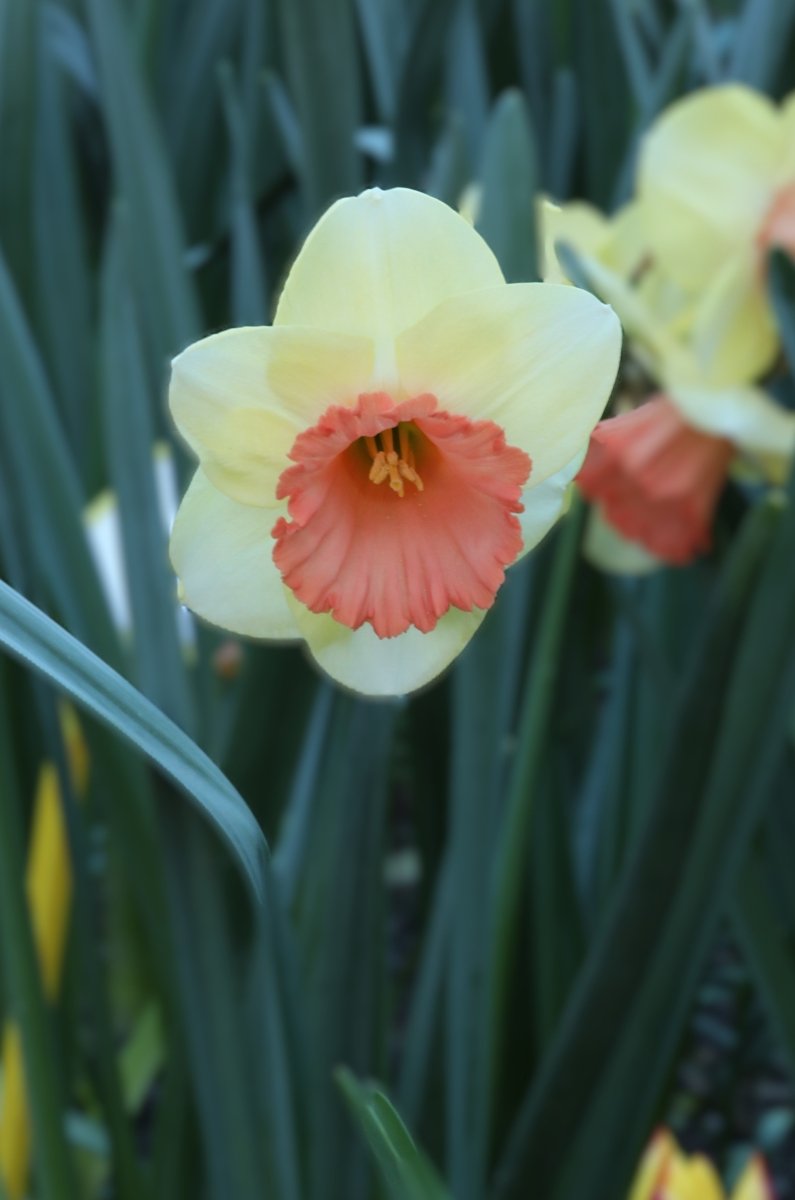
Transform your garden with the magical Daffodil Color Magic. Color Magic is a Large Cupped Daffodil which means it has super large flower cups that are easy to love. Whether you're a beginner or an expert gardener, this daffodil is perfect for you. It's simple but stunning, making your garden a charming place for everyone.
- Pop of color: Color Magic daffodils have beautiful colors, from sunny yellows to an orange cup.
- Long blooming time: these flowers stay in bloom for a long time, keeping your garden lively throughout the spring.
- Easy to care for: Color Magic is tough and doesn't need a lot of attention. It grows well in different soils, and you don't need to be an expert to make it thrive.
- Fits anywhere: perfect for borders, pots, or spreading naturally, this daffodil is versatile and can fit any part of your garden.
How to plant and take care of Daffodil Color Magic
- Planting depth: pt the bulbs 6-8 inches down in soil that drains well.
- Spacing: give each bulb 4-6 inches of space for the best growth.
- Sunlight: plant them where they get lots of sun, but they can also handle a bit of shade.
- Watering: keep the soil moist but not too wet while they're growing.
- Fertilization: give them a balanced fertilizer in the early spring to help them grow strong and healthy.


About Light and Dreamy
Transform your garden with the magical Tulip Light and Dreamy. These bulbs bring a burst of soft colors, turning your outdoor space into a dreamy haven. Light and Dreamy is a pink, and purple colored Darwin Hybrid tulip. Create a garden oasis with Tulip Light and Dreamy — where simplicity meets botanical elegance.
- Subtle elegance: delicate petals in pink and purple tones, blending seamlessly with other blooms.
- Long-blooming: enjoy an extended season of beauty with these tulips.
- Adaptable: ideal for both garden beds and charming container displays.
- Low maintenance: perfect for busy gardeners, requiring minimal care.
How to plant and take care of Light and Dreamy
- Planting depth: place bulbs 4-6 inches deep in well-draining soil.
- Sunlight: choose a sunny spot for optimal blooming.
- Watering: keep soil consistently moist but not waterlogged.
- Fertilization: apply a balanced fertilizer in early spring.
- Pruning: remove spent flowers to encourage continuous blossoming.


About Orange Brilliant
Meet the Tulip Orange Brilliant, a vibrant burst of color for your garden. Bring a burst of Orange Brilliant beauty to your garden effortlessly with these easy-to-care-for tulip bulbs! It will add a touch of warmth and elegance to any landscape.
- Vivid hue: Orange Brilliant tulips showcase a rich, radiant orange-red color that stands out effortlessly.
- Sturdy stems: strong and resilient stems ensure that the flowers remain upright and captivating in your garden.
- Perennial beauty: enjoy the beauty of Orange Brilliant year after year, as it's a perennial tulip that keeps on giving.
- Versatile planting: ideal for borders, containers, or creating eye-catching displays, this tulip adapts to various gardening styles.
- Easy maintenance: low-maintenance and easy to grow, making it a perfect choice for both novice and experienced gardeners.
How to plant and take care of Orange Brilliant
- Planting depth: plant bulbs 4-6 inches deep in well-draining soil.
- Sunlight: provide full sun for at least 6 hours daily.
- Watering: keep the soil consistently moist but not waterlogged.
- Fertilization: use a balanced fertilizer during the growing season.
- Post-bloom care: allow the foliage to wither naturally before removing to ensure energy storage for the next blooming season.


About Love Valley
Meet Tulip Love Valley – the flower that paints your garden with love. With its beautiful colors and soft petals, it's like a little love note from nature. Simple yet stunning, these tulips bring the magic of love right to your backyard.
- Romantic palette: blossoms showcase a captivating blend of deep reds.
- Hardy blooms: sturdy petals endure various climates, ensuring a lasting display of affection.
- Easy maintenance: thrives in well-drained soil, requiring minimal effort for maximum impact.
- Versatile planting: ideal for gardens, borders, or pots, offering flexibility in landscaping design.
- Seasonal elegance: Spring heralds the arrival of these blooms, bringing a touch of love to your outdoor space.
How to plant and take care of Love Valley
- Planting depth: place bulbs 4-6 inches deep, ensuring proper insulation against extreme weather.
- Sunlight: optimal growth with at least 6 hours of sunlight daily.
- Watering: maintain moderate soil moisture, avoiding waterlogged conditions.
- Fertilization: apply a balanced fertilizer in early spring for nourished and vigorous growth.
- Post-blooming care: allow foliage to wither naturally for energy replenishment before pruning.
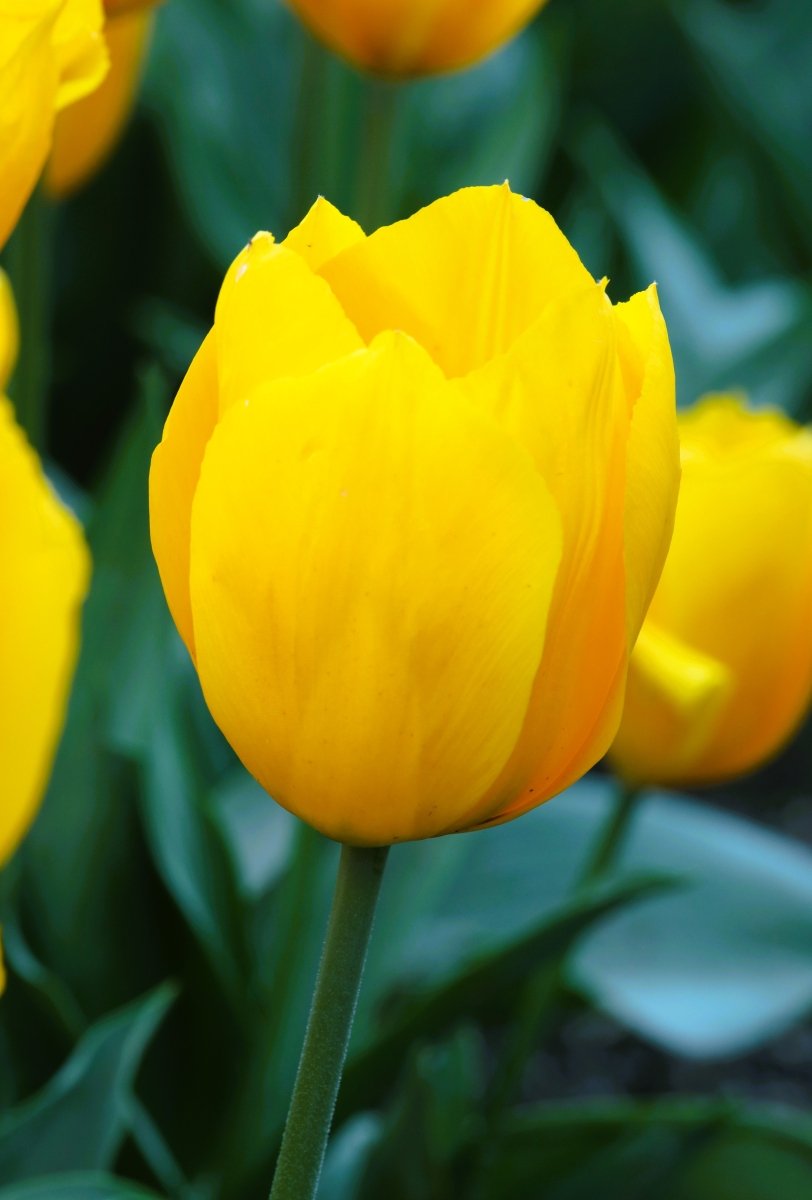
About Yellow Flair
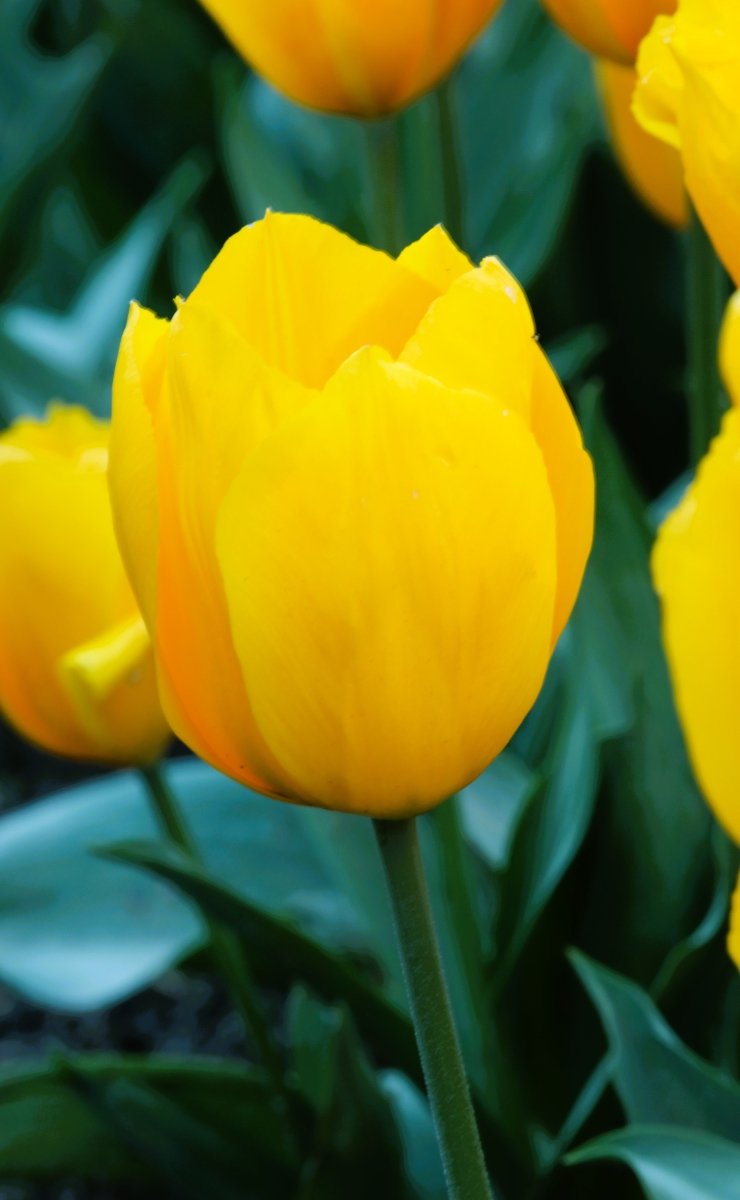
Transform your garden into a vibrant tapestry of sunshine with our Tulip Yellow Flair flower bulbs. These enchanting blooms will infuse your outdoor space with a captivating burst of color, radiating warmth and joy. Brighten up your outdoor space with their golden splendor and embrace the joy they bring to your garden each spring.
- Vivid Yellow Beauty: The Tulip Yellow Flair showcases exquisite golden-yellow petals that command attention and exude an irresistible charm.
- Striking Contrasts: The delicate blooms are elegantly contrasted by deep green foliage, creating a stunning visual spectacle that captivates the eye.
- Sturdy and Reliable: These bulbs are meticulously selected for their robustness and durability, ensuring they thrive and continue to grace your garden year after year.
How to plant and take care of Yellow Flair
- Choose a sunny or partially shaded location in your garden.
- Prepare the soil by loosening it and removing any weeds or debris.
- Dig a hole approximately 6 inches (15 cm) deep.
- Place the Tulip Yellow Flair bulb in the hole, pointing the end up.
- Cover the bulb with soil and gently firm it down.
- Water thoroughly after planting to settle the soil.
- Water regularly, keeping the soil moist but not waterlogged.
- Apply a balanced fertilizer in early spring to promote healthy growth.
- Deadhead spent blooms to encourage more blossoms and prevent seed production.
- After flowering, allow the foliage to wither naturally before removing it.
- Mulch the area around the bulbs to help conserve moisture and suppress weed growth.
- In colder regions, protect the bulbs from freezing temperatures by adding a layer of mulch or straw.

About Dream Club
We’re dreaming about this gorgeous Dream Club tulip. Add a touch of magic and elegance to your outdoor space with these stunning blooms. With their captivating colors and graceful presence, these tulips are a dream come true for any gardening enthusiast. Read on for more information.
- Bursting with a stunning array of hues, from vivid pink to delicate whites
- Each bulb is carefully selected for its robustness and guaranteed to bloom into a dazzling flower
- Ideal for both novice and experienced gardeners, requiring minimal maintenance
- Perfect for creating stunning floral arrangements or adding a touch of elegance to any landscape
- Long-lasting blooms that bring joy and beauty to your outdoor space
How to plant and take care of Dream Club
- Choose a well-drained location that receives at least six hours of sunlight daily
- Dig a hole, approximately 6 inches deep, and place the bulb with the pointed end facing up
- Cover the bulb with soil and water thoroughly to settle the soil
- Water regularly but avoid overwatering to prevent bulb rot
- Apply a balanced fertilizer during the growing season to promote healthy growth
- Remove faded flowers to encourage the plant to focus its energy on producing more blooms
- In colder climates, provide a layer of mulch to protect the bulbs during winter


About Olympic Flame
The Tulip Olympic Flame is a bold and eye-catching tulip that brings warmth and energy to spring gardens. Its fiery mix of yellow and red petals creates a flame-like effect that stands out beautifully in borders, flower beds, and pots. This tulip variety is known for its strong stems, reliable blooming, and striking color contrast, making it a favorite for gardeners and floral designers alike. With its vivid appearance, Tulip Olympic Flame instantly adds movement and brightness to any outdoor space.
-
Fiery coloration: vibrant yellow petals with bold red flames for a dramatic spring display
-
Strong growth: sturdy stems that hold up well in wind and rain
-
Spring highlight: blooms early to mid-season for a long-lasting floral show
-
Versatile use: ideal for borders, containers, and cutting for indoor arrangements
-
Easy performance: reliable flowering with minimal effort required
-
High visual impact: perfect for creating contrast in mixed plantings
How to plant and take care of Tulip Olympic Flame:
-
Planting time: plant bulbs in autumn before the first hard frost for strong spring growth
-
Planting depth: place bulbs about 10–15 cm deep in loose, well-draining soil
-
Sun exposure: choose a sunny or lightly shaded spot for the most vibrant blooms
-
Water management: water after planting, then avoid overwatering during winter dormancy
-
Soil care: ensure soil is nutrient-rich but never soggy to prevent bulb rot
-
After flowering: remove faded blooms but allow foliage to die back naturally for energy storage


About Royal Virgin
The Tulip Royal Virgin is a pure and elegant spring tulip that brings a fresh, refined look to any garden. Its crisp white blooms open beautifully in the sunlight, creating a clean and calming display that stands out in borders, flower beds, and pots. This tulip variety is known for its strong stems and graceful shape, making it ideal for both garden planting and cut flower arrangements. Tulip Royal Virgin adds a luxurious yet simple touch to spring landscapes and pairs beautifully with both soft and bold-colored flowers.
-
Elegant white blooms: pure, silky petals that create a fresh and timeless look
-
Strong stems: upright growth makes it perfect for windy spring conditions
-
Spring flowering: delivers reliable blooms in mid to late spring
-
Versatile use: ideal for borders, pots, and elegant cut flower bouquets
-
Easy combination: pairs well with colorful tulips and spring perennials
-
Long-lasting display: blooms hold their shape well in garden and vase
How to plant and take care of Tulip Royal Virgin:
-
Planting depth: plant bulbs 10–15 cm deep in well-draining soil before winter
-
Location choice: choose a sunny to lightly shaded spot for best flowering results
-
Soil preparation: use loose, fertile soil to support strong root development
-
Watering needs: water after planting, then keep soil slightly moist but never soggy
-
Seasonal care: remove faded flowers after blooming to support bulb strength
-
Bulb storage: lift and store bulbs in a dry place if soil conditions are too wet in summer


Tulip Caractere is a bold and elegant tulip variety that adds warmth and depth to the spring garden. Its large, silky petals bloom in rich shades of yellow, creating a luxurious display in borders, flower beds, and patio containers. The strong stems hold the flowers upright, even in changing spring weather. Tulip Caractere pairs beautifully with lighter tulips and spring bulbs, making it a perfect choice for layered planting schemes and colorful seasonal displays.
-
Rich flower color: rich yellow tones create a vibrant spring display
-
Large cup-shaped blooms: elegant flowers with a smooth, refined appearance
-
Strong garden performance: sturdy stems help flowers stay upright in wind and rain
-
Excellent for combinations: blends beautifully with white, pastel, and purple tulips
-
Spring garden favorite: adds texture and bold color to beds and borders
-
Suitable for containers: grows well in pots, planters, and small garden spaces
How to plant and take care of Tulip Caractere:
-
Planting time: plant bulbs in autumn before the first hard frost arrives
-
Planting depth: place bulbs 10–15 cm deep in loose, well-draining soil
-
Spacing advice: leave 8–10 cm between bulbs for a full and balanced display
-
Sunlight needs: choose a sunny or lightly shaded location for best flowering
-
Watering routine: water after planting and during dry periods in spring
-
After flowering: allow foliage to die back naturally to feed the bulb for next season


About Amazing Grace
The Tulip Amazing Grace is a refined spring bloomer that brings soft elegance and calm beauty to any garden. This premium tulip variety is known for its full, layered petals and gentle pink colour palette that shifts between pink and purple tones. The blooms open generously, creating a lush, almost peony-like effect that stands out in borders, pots, and cutting gardens. Tulip Amazing Grace is ideal for gardeners who want a romantic, high-impact flower display without complicated care.
-
Elegant double blooms: full, layered petals create a luxurious and romantic flower shape
-
Soft colour tones: delicate blend of creamy pink with purple
-
Strong garden presence: upright stems that hold blooms beautifully in spring weather
-
Perfect for cutting: long-lasting flowers ideal for stylish indoor arrangements
-
6Reliable spring performer: returns each season with consistent flowering when well planted
-
Versatile use: suitable for borders, containers, and mixed flower beds
How to plant and take care of Tulip Amazing Grace:
-
Planting depth: plant bulbs about 10–15 cm deep in loose, well-draining soil
-
Location choice: select a sunny to lightly shaded spot for best flowering results
-
Soil preparation: enrich soil with compost to support strong root development and bloom quality
-
Watering routine: water after planting and keep soil lightly moist, avoiding waterlogging
-
Seasonal care: remove spent flowers but allow foliage to die back naturally for energy storage
-
Long-term growth: lift and store bulbs in summer if soil conditions are too wet
FAQs