
-
Fall Planted Bulbs
-
Daffodils
-
Iris
-
Tulips
PerennialsGardening InformationSpring Planted Bulbs (out of season)-
Begonias
-
Canna Lilies
-
Dahlias
-
Gladiolus
-
Lilies
- Log in
-

Royal Virgin
$13.95
Unit price / perSign up to be the first to know when it's back in stock.
Shipping Starts: 2nd week of October
Quantity per Package: 10 bulbs
Light Required: Full sun/ Partial shade
Height: 16-18"
Blooming Period: Mid Spring/ Late Spring
Bulb size: 12/+
Planting Distance: 4-5"
Planting Depth: 6"
Hardness Zone:
Deer Resistant: No
Minimum Bulbs for Effect:
About Royal Virgin
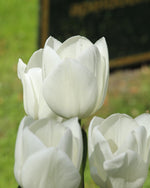
The Tulip Royal Virgin is a pure and elegant spring tulip that brings a fresh, refined look to any garden. Its crisp white blooms open beautifully in the sunlight, creating a clean and calming display that stands out in borders, flower beds, and pots. This tulip variety is known for its strong stems and graceful shape, making it ideal for both garden planting and cut flower arrangements. Tulip Royal Virgin adds a luxurious yet simple touch to spring landscapes and pairs beautifully with both soft and bold-colored flowers.
-
Elegant white blooms: pure, silky petals that create a fresh and timeless look
-
Strong stems: upright growth makes it perfect for windy spring conditions
-
Spring flowering: delivers reliable blooms in mid to late spring
-
Versatile use: ideal for borders, pots, and elegant cut flower bouquets
-
Easy combination: pairs well with colorful tulips and spring perennials
-
Long-lasting display: blooms hold their shape well in garden and vase
How to plant and take care of Tulip Royal Virgin:
-
Planting depth: plant bulbs 10–15 cm deep in well-draining soil before winter
-
Location choice: choose a sunny to lightly shaded spot for best flowering results
-
Soil preparation: use loose, fertile soil to support strong root development
-
Watering needs: water after planting, then keep soil slightly moist but never soggy
-
Seasonal care: remove faded flowers after blooming to support bulb strength
-
Bulb storage: lift and store bulbs in a dry place if soil conditions are too wet in summer
FAQs
Royal Virgin tulips, like most spring-flowering tulips, typically bloom for about 10 to 21 days once they open. The exact bloom duration depends heavily on weather conditions, soil quality, and temperature. Cooler spring temperatures help extend the flowering period, sometimes allowing blooms to last closer to three weeks. If the weather turns warm quickly, the flowers may fade in as little as 7–10 days. Good garden care can also make a difference. Planting the bulbs in well-drained soil, ensuring they receive full to partial sunlight, and avoiding water stress can all help prolong flowering. Deadheading spent blooms does not extend the bloom time itself, but it helps the plant conserve energy for next year’s growth. While the floral display is relatively short-lived, tulips are often planted in groups or mixed varieties to create a longer overall blooming season in the garden from early to late spring.
Yes, you can leave Royal Virgin Tulip bulbs in the ground year-round, but whether this is successful depends on your soil and climate conditions. Tulips are naturally perennial bulbs, but many modern garden varieties, including decorative types like Royal Virgin tulips, may decline in performance over time if left undisturbed. In regions with cold winters and well-draining soil, bulbs can survive underground and bloom again the following spring. However, in areas with wet summers or heavy clay soil, bulbs are more likely to rot if left in the ground all year. To improve long-term success, ensure excellent drainage and avoid overwatering after the foliage dies back. Many gardeners choose to lift and store tulip bulbs after the leaves yellow, especially to maintain strong blooms each year. If left in place, expect slightly reduced flowering performance after the first or second season.
If you forgot to plant your Royal Virgin Tulip bulbs, don’t worry—there are still several options depending on the season and bulb condition. If it is still autumn or early winter and the ground is not frozen, you can plant them immediately, even if it is later than ideal. Tulip bulbs need a cold period to bloom properly, so late planting is often better than no planting at all. If the ground is frozen or too wet, store the bulbs in a cool, dry, and well-ventilated place until conditions improve. Avoid warm indoor storage, as this can cause premature sprouting or drying out. Another option is to force the bulbs in pots indoors, simulating winter chill before bringing them into warmth for flowering. If the bulbs have become soft, moldy, or dried out, they may no longer be viable, but firm, healthy bulbs can still be successfully planted with good results.
Royal Virgin Tulip bulbs are generally frost hardy and well adapted to cold winter conditions, which is actually essential for their growth cycle. Tulip bulbs require a period of cold dormancy in order to develop strong roots and produce flowers in spring. In most temperate climates, they can remain safely in the ground throughout winter without needing special protection. However, while they tolerate frost well, they are sensitive to excess moisture during cold months. Waterlogged soil combined with freezing temperatures can cause bulbs to rot or deteriorate. To improve survival, ensure they are planted in well-draining soil or slightly raised beds. In extremely harsh or unpredictable climates, a light mulch layer can help stabilize soil temperature and reduce freeze-thaw damage. Protection is less about shielding them from cold and more about preventing soggy conditions and keeping soil stable through winter.
DutchFlowerBulbs
DutchFlowerBulbs ships Premium Quality Flower Bulbs straight from Holland to your garden!
Customer Support