
Explore the Fall Planted collection - Spring Flowering bulbs
Sort by:


About Voicemail
The Tulip Voicemail is a distinctive spring-flowering tulip that brings a modern twist to classic garden beauty. With its elegant cup-shaped blooms and refined color red-white play, this variety adds softness and character to borders, pots, and floral arrangements. Tulip Voicemail stands out thanks to its subtle gradient tones and strong stems, making it both decorative and reliable in the garden. A perfect choice for gardeners who want something unique, stylish, and easy to grow.
-
Elegant shape: cup-shaped blooms with smooth, slightly curved petals for a refined look
-
Unique coloring: soft blended red tones with white petals
-
Strong stems: sturdy growth that keeps flowers upright even in spring winds
-
Garden versatility: suitable for borders, pots, and cut flower arrangements
-
Seasonal impact: creates a clean, modern spring display with minimal effort
-
Reliable performance: consistent blooming when planted in the right conditions
How to plant and take care of Tulip Voicemail:
-
Planting depth: place bulbs 10–15 cm deep in well-draining soil before winter frost
-
Location choice: choose a sunny or lightly shaded spot for balanced flowering and color intensity
-
Soil preparation: use loose, fertile soil mixed with compost to support strong root development
-
Watering routine: water after planting and during dry spring periods, avoiding waterlogged soil
-
Ongoing care: remove faded flowers after blooming but allow foliage to die back naturally
-
Seasonal support: apply a light bulb fertilizer in early spring to enhance bloom quality


About Mandy’s Choice
Tulips Mandy’s Choice is a vibrant and elegant tulip variety that brings fresh energy to spring gardens. Known for its graceful flower shape and rich, lively pink colours, this tulip creates a striking display in borders, flower beds, and pots. The blooms open into smooth, well-shaped petals that catch the light beautifully, making them a standout choice for anyone who wants a refined yet cheerful garden look. Tulips Mandy’s Choice combines strong performance with eye-catching style, making it a reliable favourite for seasonal planting.
-
Elegant blooms: smooth, cup-shaped flowers with a refined and balanced form
-
Vibrant colours: rich pink tones that create a bright and uplifting spring display
-
Strong garden performance: reliable flowering with excellent stem strength
-
Versatile use: ideal for borders, containers, and cutting arrangements
-
Seasonal impact: delivers a bold visual effect during the spring bloom period
-
Easy growth: suitable for both beginner and experienced gardeners
How to plant and take care of Tulip Mandy’s Choice:
-
Planting depth: place bulbs around 10–15 cm deep in loose, well-draining soil
-
Location choice: select a sunny or lightly shaded spot for best flowering results
-
Soil quality: ensure soil is airy and not waterlogged to support healthy root growth
-
Watering routine: water after planting, then only when soil becomes dry in spring
-
Seasonal care: remove faded flowers to redirect energy back into the bulb
-
Winter preparation: allow bulbs to rest in the ground for a strong return next season


About Paprika Fono
The Bearded Iris Paprika Fono is a bold and eye-catching perennial that adds warmth and drama to any garden. Its rich, paprika-toned blooms bring a unique blend of deep orange, copper, and soft amber shades, creating a fiery display in late spring to early summer. The petals are slightly ruffled with a silky texture, giving each flower a sculpted, almost artistic look. With its strong upright form and vibrant colouring, this iris is perfect for gardeners who want a standout focal point in borders or flower beds. This unique color is hard to describe; it has tones of yellow, purple, maroon, white, and orange.
- Vibrant colours: warm paprika, copper and golden tones that create a striking garden display
- Ruffled petals: softly textured blooms with a layered, elegant shape
- Strong growth: sturdy stems that hold flowers upright even in windy conditions
- Seasonal impact: blooms in late spring to early summer for a warm seasonal highlight
- Garden value: ideal for borders, mixed beds and cutting arrangements
- Pollinator appeal: attracts bees and butterflies with its rich nectar source
How to plant and take care of Bearded Iris Paprika Fono:
- Planting position: place rhizomes at soil level with the top slightly exposed to sunlight
- Sun requirements: choose a bright, sunny location to intensify flower colour and blooming strength
- Soil preference: plant in well-drained soil, ideally light and slightly sandy to avoid water retention
- Water management: water lightly after planting, then only during prolonged dry periods
- Seasonal care: remove faded flower stems and keep foliage clean to support healthy growth
- Long-term growth: divide rhizomes every few years to maintain vigorous blooming and plant health


About Lupita’s Pride
The Bearded Iris Lupita’s Pride is a striking garden perennial that brings bold color and refined elegance to any outdoor space. This eye-catching iris is known for its beautifully shaped blooms, featuring rich, vibrant tones and softly ruffled petals that create a luxurious, layered effect. Perfect for adding height, contrast, and seasonal interest, it performs beautifully in borders, perennial beds, and cutting gardens. Bearded Iris Lupita’s Pride is a reliable choice for gardeners who want dramatic flowers with strong garden presence and easy care.
- Vibrant blooms: striking flowers with deep, rich colors and softly ruffled petals. It is white with a subtle hint of lilac.
- Elegant shape: layered petals with a graceful form that stands out in any border
- Strong garden impact: adds height and structure to perennial plantings
- Seasonal highlight: flowers beautifully in late spring to early summer
- Easy growing: suitable for both beginner and experienced gardeners
- Cutting garden favorite: excellent for fresh floral arrangements indoors
How to plant and take care of Bearded Iris Lupita’s Pride:
- Planting position: place rhizomes just at soil level with the top slightly exposed for healthy growth
- Sun requirements: choose a bright, sunny spot to encourage strong blooming and rich flower color
- Soil preference: use light, well-draining soil to prevent excess moisture around the rhizomes
- Watering needs: water after planting, then keep watering minimal as irises prefer drier conditions
- Seasonal care: remove faded flowers and trim back foliage once it begins to decline
- Long-term growth: divide clumps every few years to maintain vigor and consistent flowering


The Bearded Iris Concertina is a striking garden plant known for its soft pastel tones and elegant, ruffled flowers. This beautiful iris variety brings a refined, romantic feel to borders and flower beds while offering strong structure and reliable seasonal blooms. Its unique color play makes it a standout choice for gardeners looking to add gentle charm and long-lasting visual impact. Easy to grow and highly decorative, Bearded Iris Concertina is perfect for both modern and classic garden designs.
- Soft pastel blooms: delicate flowers with layered petals in soothing, elegant shades such as pink, white, and purple.
- Seasonal return: dependable perennial that flowers beautifully year after year
- Decorative value: ideal for borders, mixed beds, and cutting gardens
- Easy cultivation: beginner-friendly and adaptable to many garden settings
- Wildlife appeal: attracts bees and other beneficial pollinators
- Architectural foliage: upright leaves add structure even outside blooming season
How to plant and take care of Bearded Iris Concertina:
- Planting position: set rhizomes shallowly with the top slightly visible above soil level
- Light preference: place in full sun for best flowering performance and strong growth
- Soil quality: choose light, well-drained soil to avoid excess moisture around roots
- Water management: water after planting, then only during extended dry periods
- Seasonal upkeep: remove faded flower stems and clear away old leaf material
- Plant renewal: divide clumps every few years to maintain vitality and flowering strength


The Bearded Iris City Light is a stunning perennial that brings bright elegance and modern charm to any garden. Known for its soft yet luminous purple flower tones and white heart, this bearded iris creates a fresh and uplifting look in borders, flower beds, and cutting gardens. Its strong growth and reliable blooming make it a favorite for gardeners who want long-lasting beauty with minimal effort. Bearded Iris City Light stands out with its refined shape and graceful presence, adding structure and seasonal color year after year.
- Elegant blooms: soft, light-toned flowers that create a bright and airy garden look
- Reliable perennial: returns every year with stronger and more abundant flowering
- Garden versatility: perfect for borders, flower beds, and fresh cut arrangements
- Low maintenance: easy to grow and suitable for many soil types and gardens
- Pollinator friendly: attracts bees and butterflies for a lively garden ecosystem
- Strong structure: upright foliage adds form and texture even outside flowering season
How to plant and take care of Bearded Iris City Light:
- Planting depth: place rhizomes at soil level with the top slightly exposed to prevent rot
- Sun requirements: plant in a sunny spot with at least 6 hours of direct sunlight daily
- Soil conditions: use well-draining soil to support healthy root development and prevent waterlogging
- Watering routine: water lightly after planting, then only when the soil is dry
- Ongoing care: remove faded flowers and trim damaged leaves to encourage strong growth
- Maintenance cycle: divide rhizomes every 3–4 years to maintain vigorous blooming

About Grape Ice
Grape Hyacinth Grape Ice brings a touch of elegance and color to your garden with its unique ice-blue blooms. This charming flower is perfect for adding texture and contrast to your spring garden. The delicate, grape-like clusters of flowers are a stunning mix of blue and white, creating a striking effect that will draw attention year after year.
-
Elegant color: beautiful blue and white flowers resembling a cluster of grapes
-
Compact size: grows up to 6-8 inches tall, perfect for borders and containers
-
Long-lasting blooms: vibrant flowers that last for weeks in the spring
-
Easy to grow: requires minimal care, making it ideal for beginners
-
Deer resistant: keeps your garden safe from deer and other pests
How to plant and take care of Grape Hyacinth Grape Ice:
-
Planting depth: bury bulbs 3-4 inches deep in well-draining soil.
-
Spacing: space bulbs 3-4 inches apart for healthy growth.
-
Sunlight: plant in full sun or partial shade for best results.
-
Watering: water regularly but avoid waterlogging; soil should be moist, not soaked.
-
Fertilization: apply a balanced fertilizer in the spring for better blooms.
-
Winter care: mulch in winter to protect bulbs from harsh cold temperatures.


About Dark Eyes
Grape Hyacinth Dark Eyes is a stunning spring flower that brings bold, deep blue blooms with striking dark centers to your garden. This unique variety of grape hyacinth adds a touch of elegance to borders, flower beds, and containers. Known for its vibrant color and delightful fragrance, Grape Hyacinth Dark Eyes is a must-have for any garden enthusiast.
-
Rich, dark blue color with distinctive dark centers that stand out.
-
Compact size perfect for borders, rock gardens, or containers.
-
Fragrant blooms that attract bees and butterflies.
-
Low maintenance plant that thrives with minimal care.
-
Deer-resistant – enjoy your flowers without the worry of nibbling pests.
How to plant and take care of Grape Hyacinth Dark Eyes:
-
Plant bulbs in the fall 2-3 inches deep in well-draining soil.
-
Spacing: space bulbs 3-4 inches apart to allow for healthy growth.
-
Sunlight: choose a location with full sun or partial shade for the best results.
-
Watering: water regularly, but ensure the soil is not waterlogged. Let it dry slightly between waterings.
-
Fertilize: apply a slow-release fertilizer in early spring to encourage strong blooms.
-
After blooming: allow the foliage to die back naturally before cutting it, so the plant can store energy for next season’s growth.


About leichtlinii Caerulea
Add a touch of elegance to your garden with Camassia leichtlinii Caerulea, also known as the Blue Starflower. With its beautiful blue flowers and tall, graceful spikes, this perennial creates a striking focal point in any landscape. It’s perfect for borders, wildflower meadows, or naturalized garden areas, providing stunning color in late spring to early summer. Easy to grow and care for, these bulbs will bloom year after year.
-
Beautiful blue blooms: vibrant star-shaped flowers add elegance to any garden.
-
Long-lasting: perennial plant that returns every spring for years of enjoyment.
-
Low-maintenance: thrives with minimal care, making it perfect for busy gardeners.
-
Perfect for naturalizing: ideal for wildflower meadows or garden borders.
-
Attracts pollinators: great for bringing bees and butterflies into your garden.
How to plant and take care of Camassia leichtlinii Caerulea:
-
Planting depth: plant bulbs about 3-4 inches deep in well-draining soil.
-
Spacing: space bulbs 6-8 inches apart to allow proper growth and airflow.
-
Sunlight: choose a location with full sun or partial shade for optimal blooms.
-
Watering: keep the soil evenly moist but not waterlogged during the growing season.
-
Fertilization: apply a light layer of compost or slow-release fertilizer in early spring to support growth.
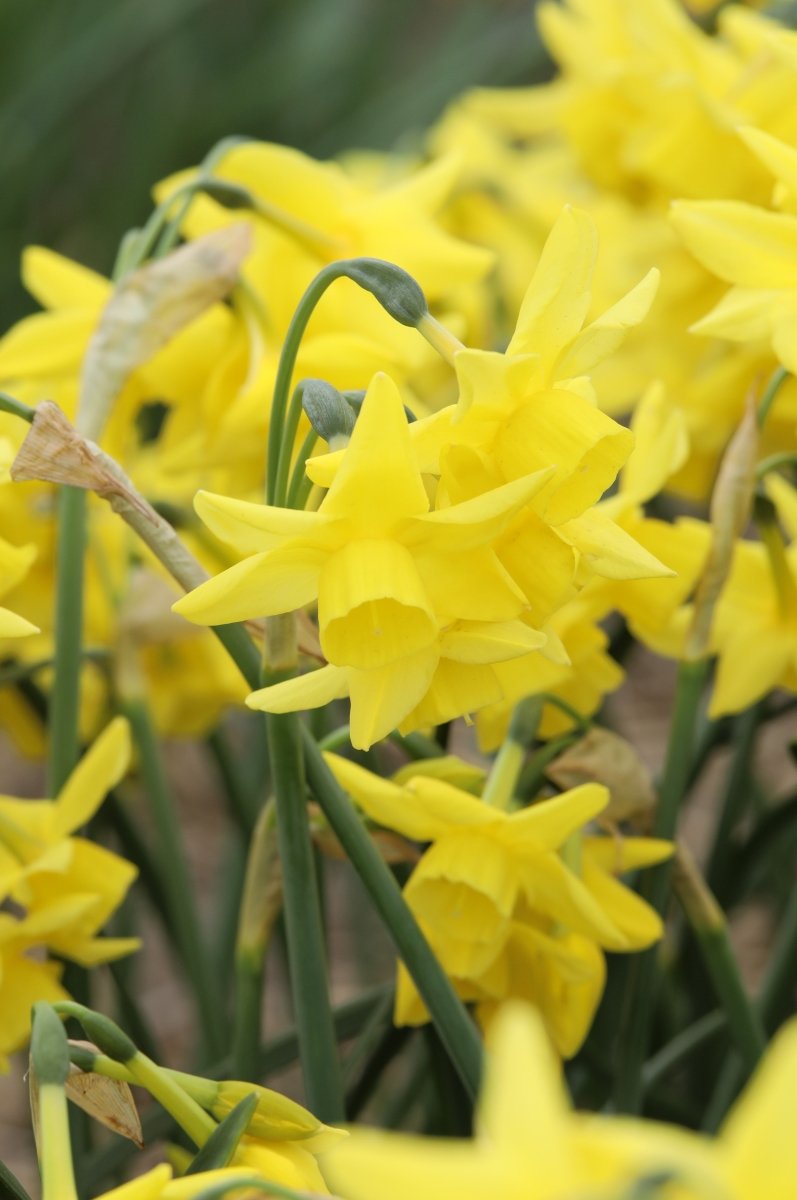
About Yellow Ocean
The miniature Daffodil Yellow Ocean adds a bright pop of sunshine to your garden. With its cheerful yellow blooms, it’s perfect for rock gardens, borders, or containers. This easy-to-grow daffodil creates a stunning display and thrives in a variety of conditions.
-
Vibrant yellow flowers: bright, cheerful blooms that bring joy to any garden.
-
Compact size: perfect for small spaces, rock gardens, and containers.
-
Low maintenance: requires minimal care, making it ideal for busy gardeners.
-
Early spring bloom: enjoy a burst of color as the season begins to change.
-
Deer and rabbit resistant: these daffodils are not easily bothered by animals.
How to plant and take care of miniature Daffodil Yellow Ocean:
-
Planting depth: place bulbs 4-6 inches deep in well-draining soil.
-
Spacing: space the bulbs about 4-6 inches apart for optimal growth.
-
Sunlight: these daffodils prefer full to partial sun for the best blooms.
-
Watering: water regularly but avoid over-watering. let the soil dry between waterings.
-
Fertilization: feed with a balanced fertilizer in early spring to encourage strong blooms.
-
Mulching:
About Raspberry Creme
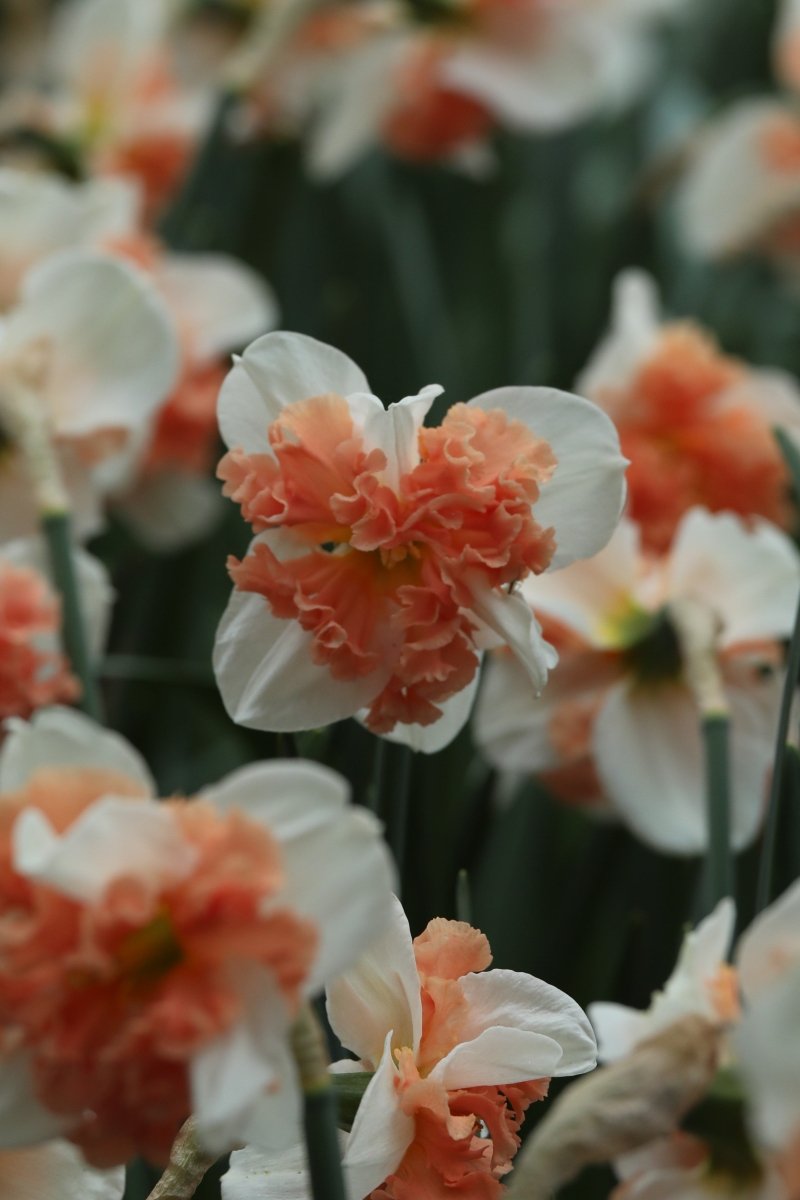
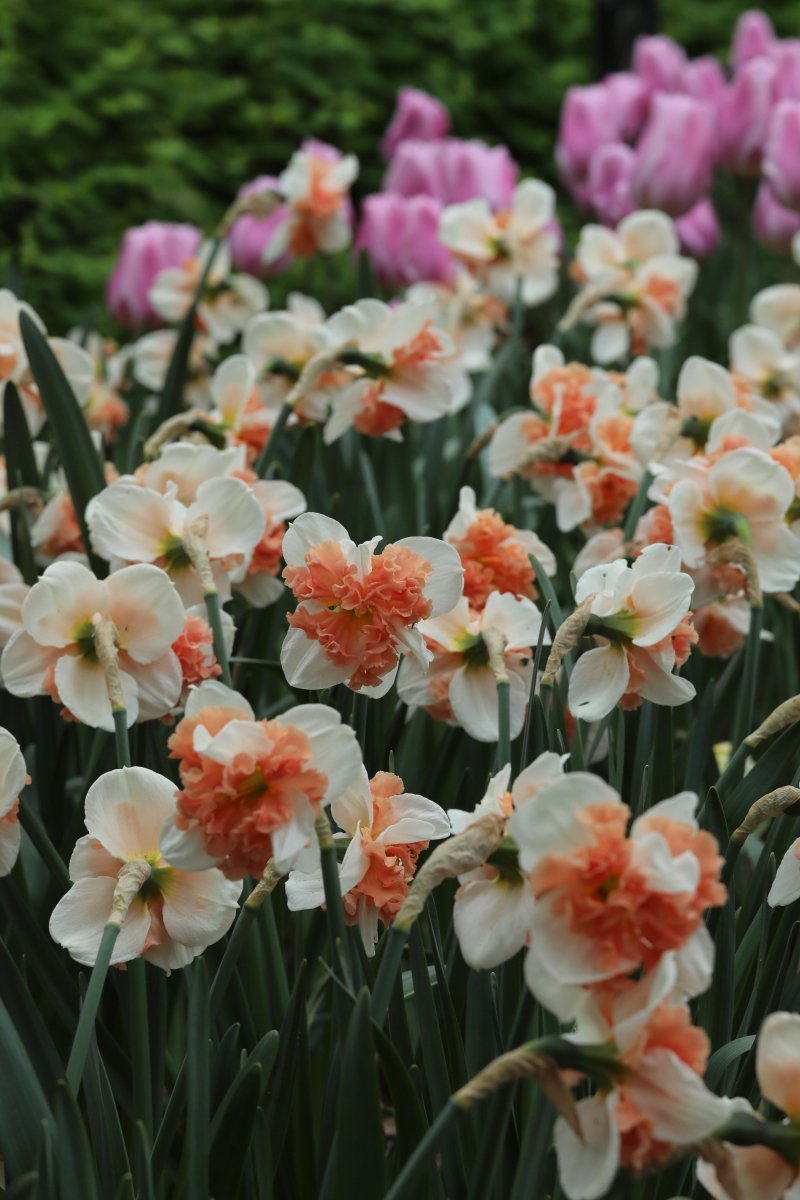
Butterfly Daffodil Raspberry Creme is a standout spring bloomer that brings soft elegance to any garden. With creamy white petals and a ruffled, raspberry-pink center, this unique daffodil variety adds a touch of charm and color contrast to borders, containers, and fresh flower arrangements. Blooming mid to late spring, it’s deer resistant and easy to grow—perfect for both beginners and seasoned gardeners.
-
Soft white petals with a frilly, raspberry-pink split corona
-
Blooms in mid to late spring, brightening your garden after winter
-
Grows up to 14-16 inches tall; perfect for beds, borders, and pots
-
Deer and rodent resistant, low-maintenance perennial
-
Excellent for cut flower displays with long-lasting blooms
How to plant and take care of Butterfly Daffodil Raspberry Creme:
-
Plant bulbs in fall, 6 inches deep and 4-6 inches apart
-
Choose a spot with full sun to partial shade
-
Use well-draining soil to avoid bulb rot
-
Water after planting and during dry spells in spring
-
Allow foliage to die back naturally after blooming to feed next year’s growth
-
Fertilize lightly in early spring with a balanced bulb fertilizer
About Falmouth Bay
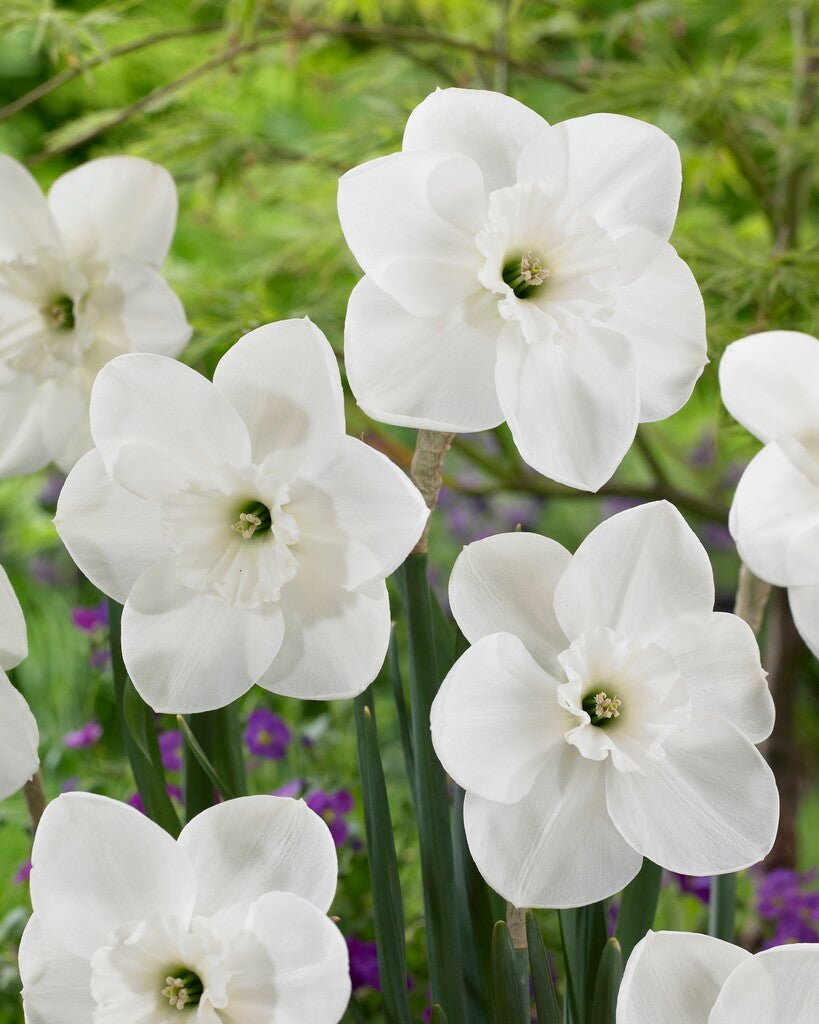
Add bold, cheerful beauty to your spring garden with the large cupped daffodil Falmouth Bay. This stunning variety features creamy white petals with a large cup. Perfect for garden beds, borders, and cut flower arrangements, it blooms in early to mid-spring and brings a fresh burst of color after winter. A favorite among pollinators, this daffodil is easy to grow and naturalizes well year after year.
-
Bright white flowers with a large cup
-
Blooms in early to mid-spring for a vibrant seasonal display
-
Great for cutting and indoor arrangements
-
Deer and rabbit resistant
-
Comes back year after year with minimal care
How to plant and take care of large cupped daffodil Falmouth Bay:
-
Plant bulbs in fall, about 6 inches deep and 4–6 inches apart
-
Choose a sunny or lightly shaded location with well-drained soil
-
Water after planting and keep soil slightly moist during the growing season
-
Allow leaves to die back naturally to feed next year’s blooms
-
Avoid overwatering to prevent bulb rot
-
Apply bulb fertilizer in early spring for best results
About Bright Corsage
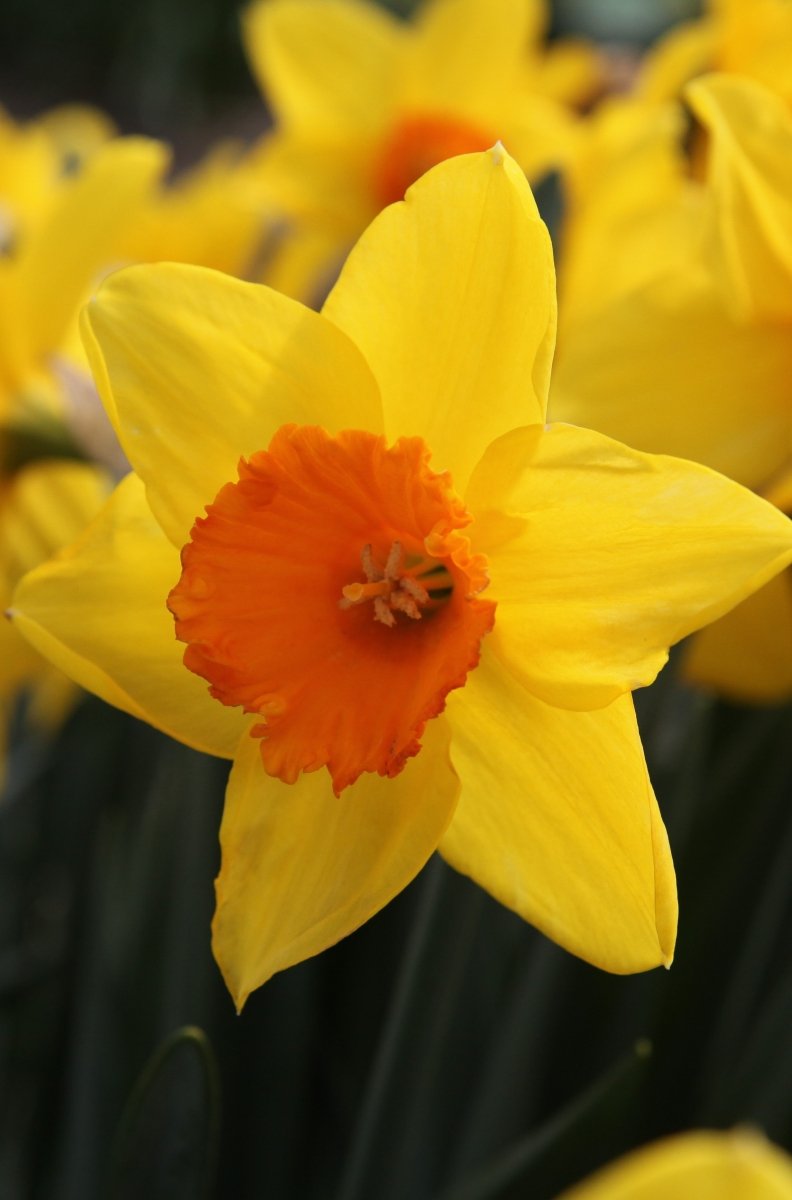
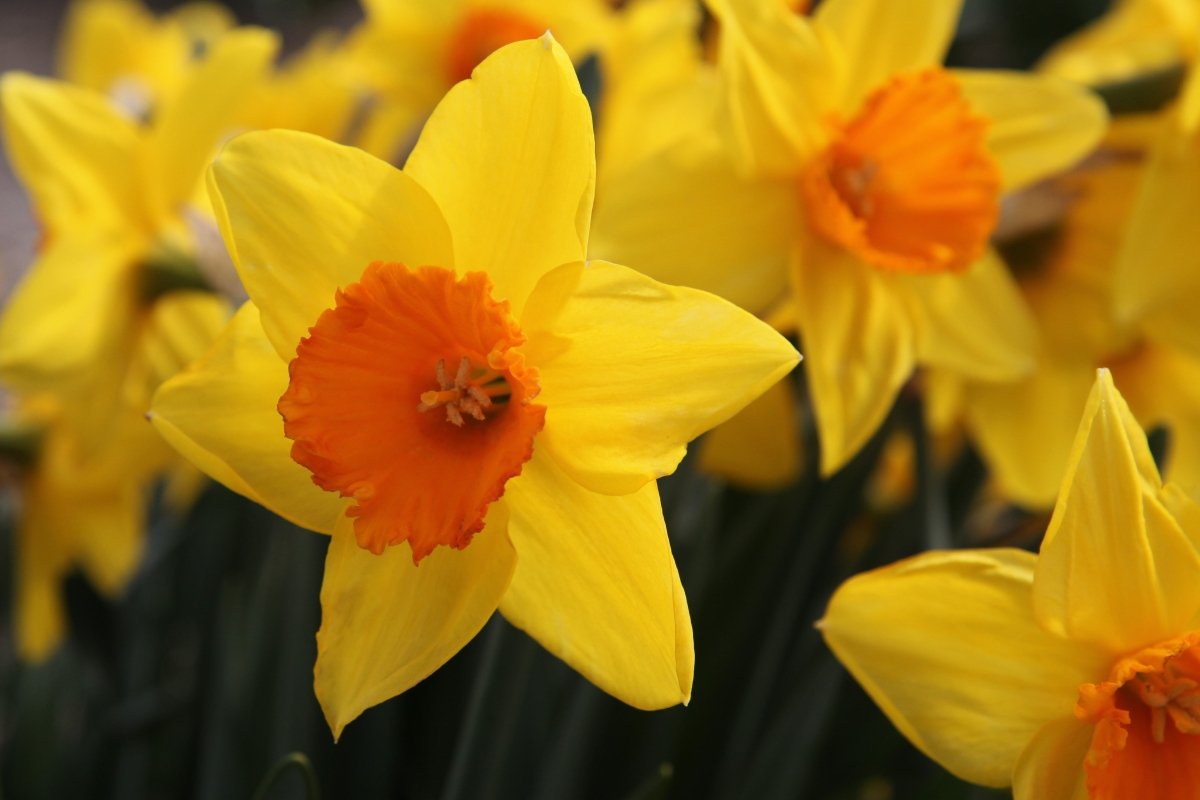
Bring bold color and cheerful charm to your spring garden with the large cupped daffodil Bright Corsage. This standout variety features soft yellow petals with a bright, large, apricot-orange cup that adds warmth and energy to any flower bed or container. Known for its strong stems and long-lasting blooms, Bright Corsage is perfect for cut flower arrangements and naturalizing in sunny spots.
-
Eye-catching yellow petals with a vivid orange cup
-
Large, long-lasting blooms in early to mid spring
-
Strong, wind-resistant stems
-
Great for garden borders, containers, and cut flowers
-
Deer and rabbit resistant
How to plant and take care of large cupped daffodil Bright Corsage:
-
Choose a sunny or partly shaded location with well-drained soil
-
Plant bulbs in fall, 6 inches deep and 4–6 inches apart
-
Water after planting and keep soil lightly moist during growth
-
Allow foliage to die back naturally after blooming to feed next year’s bulbs
-
Fertilize lightly in early spring with a balanced bulb food
-
Avoid overwatering or soggy soil to prevent rot
About New Santa
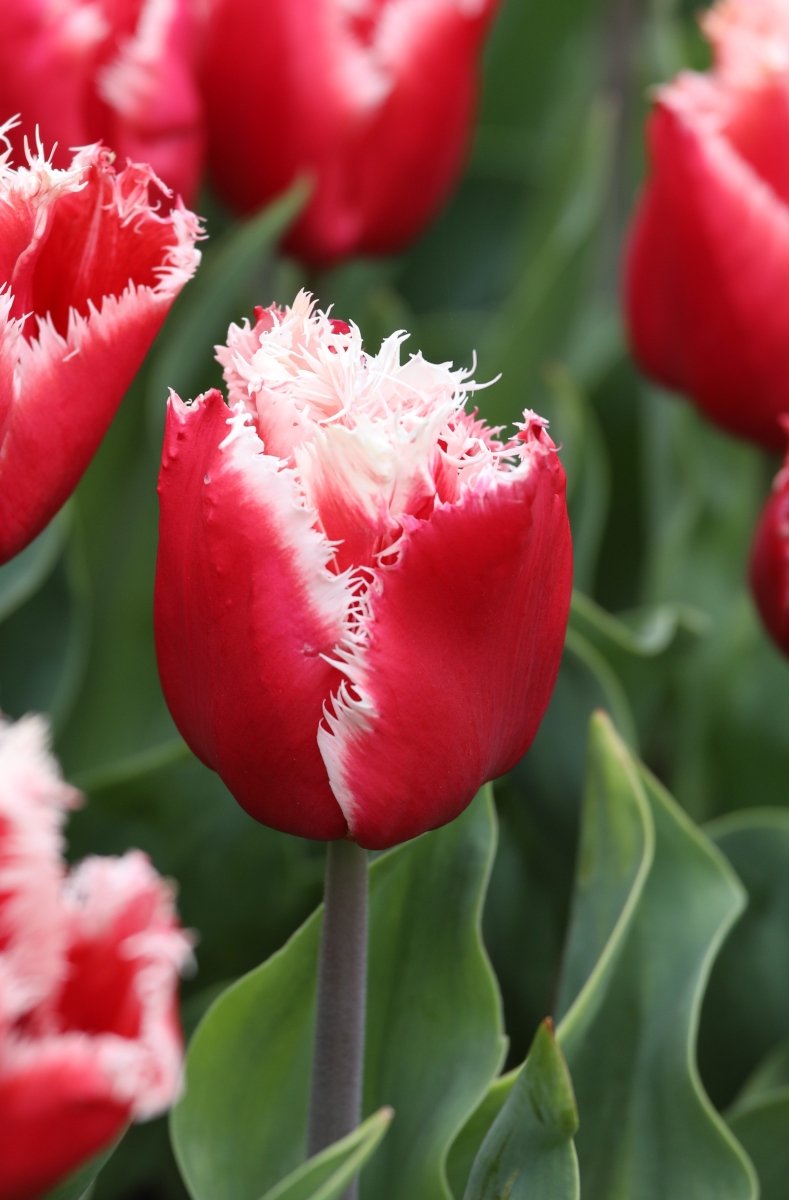
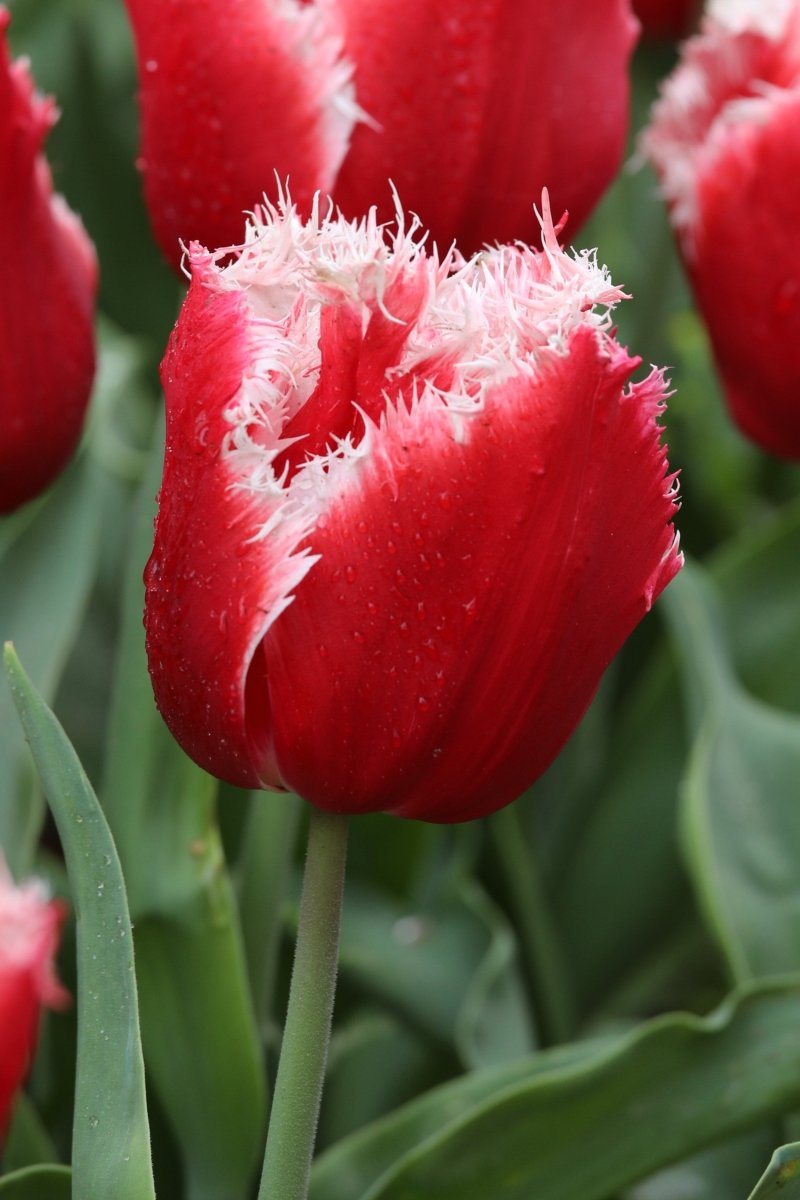
The Fringed Tulip New Santa brings a unique twist to your garden with its stunning, fringed petals and vibrant red color and white edge. This eye-catching tulip is perfect for adding a touch of elegance and charm to any outdoor space. Whether planted in garden beds, borders, or containers, the Fringed Tulip New Santa is sure to steal the show each spring.
-
Vibrant red color: bright, striking red blooms with delicate white fringed edges.
-
Long-lasting blooms: enjoy colorful flowers that last through the season.
-
Unique fringed petals: a special touch that makes your garden stand out.
-
Perfect for borders and containers: versatile enough to be planted anywhere.
-
Easy to grow: great for beginner gardeners or those looking for low-maintenance beauty.
How to plant and take care of Fringed Tulip New Santa:
-
Plant bulbs 4-6 inches deep in well-draining soil.
-
Space bulbs 4-6 inches apart to allow for proper growth.
-
Choose a sunny spot where the tulips will receive at least 6 hours of direct sunlight per day.
-
Water the tulips regularly, but ensure the soil is not waterlogged to prevent bulb rot.
-
Apply a balanced fertilizer in the spring to support healthy blooming.
-
After flowering, allow the foliage to die back naturally to help nourish the bulb for next year.


About Keep on Smiling
The Single Late Tulip Keep on Smiling adds a cheerful touch to any garden. With its vibrant red petals, this tulip creates a joyful display that will brighten up your outdoor space. Known for its long-lasting blooms, it’s perfect for late spring gardens, making it a standout addition to any flower bed or vase.
-
Bright booms: enjoy a burst of color with every flower.
-
Late-season blooms: perfect for filling your garden with color in late spring.
-
Tall stems: sturdy, tall stems make it ideal for cutting and displaying in vases.
-
Resistant to disease: Keep on Smiling is known for its durability and resistance to common garden pests.
-
Low maintenance: easy to care for and maintain, even for beginner gardeners.
How to plant and take care of the Single Late Tulip Keep on Smiling:
-
Plant bulbs in well-draining soil about 4-6 inches deep.
-
Space bulbs 4-6 inches apart to allow for healthy growth.
-
Ensure the site receives full sunlight for at least 6 hours a day.
-
Water regularly after planting, but avoid over-watering as tulips prefer slightly dry conditions.
-
Apply a balanced fertilizer in early spring to promote strong blooms.


About Purple Pride
The Darwin Hybrid Tulip Purple Pride is a must-have for any garden, showcasing rich purple blooms that stand tall and strong. With its large, vibrant petals and strong stems, this tulip variety adds elegance to any landscape. Perfect for spring gardens, flower beds, or even as a lovely cut flower for indoor arrangements, the Purple Pride tulip never fails to impress.
-
Vibrant color: stunning deep purple flowers bring bold beauty to your garden.
-
Long-lasting blooms: enjoy the beauty of this tulip for weeks during the spring season.
-
Sturdy stems: no worry of drooping; these tulips stand tall and proud.
-
Versatile: great for planting in beds, borders, or containers.
-
Easy care: requires minimal maintenance, making it perfect for beginner gardeners.
How to plant and take care of Darwin Hybrid Tulip Purple Pride:
-
Plant depth: plant bulbs about 6-8 inches deep in well-draining soil.
-
Spacing: space bulbs about 4-6 inches apart to allow room for growth.
-
Sunlight: choose a location that gets full sun for optimal blooming.
-
Watering: water the bulbs after planting and during dry periods, but avoid overwatering.
-
Fertilization: apply a balanced fertilizer in the early spring to encourage healthy growth.
-
After blooming care: let the foliage die back naturally after blooming to nourish the bulb for next year’s flowers.


About Orange Pride
The Darwin Hybrid Tulip Orange Pride is a striking addition to any garden. With its vibrant orange petals and strong stems, this tulip creates a stunning focal point in springtime displays. Known for its large, elegant blooms, it’s perfect for borders, flower beds, or even containers. The Orange Pride tulip is a long-lasting beauty that will brighten your garden year after year.
-
Bold orange color: eye-catching and perfect for adding vibrancy to your garden.
-
Large, sturdy blooms: features huge, lasting flowers that stand tall and strong.
-
Ideal for borders & beds: great for enhancing garden designs and adding contrast.
-
Long-lasting: blooms reliably every spring season, providing years of enjoyment.
-
Resistant to harsh weather: withstands spring rains and winds, making it a reliable choice for any garden.
How to plant and take care of Darwin Hybrid Tulip Orange Pride:
-
Planting depth: place bulbs 6-8 inches deep in well-draining soil to ensure strong growth.
-
Spacing: space bulbs 4-6 inches apart to allow ample room for growth.
-
Sunlight: choose a sunny spot where the tulips can get 6+ hours of direct sunlight each day.
-
Watering: water regularly, but make sure the soil isn’t soggy. Tulips prefer a moderate moisture level.
-
Soil: ensure the soil is well-draining to avoid bulb rot. A slightly sandy, loamy soil works best.
-
Post-bloom care: after blooming, allow the foliage to die back naturally to store energy for next year.

humilis Alba
Miniature Tulip humilis Alba is a charming, low-growing tulip variety that adds a soft, elegant touch to spring gardens. Its pure white petals and blue centers make it perfect for borders, rock gardens, and containers. This early bloomer is not only beautiful but also hardy and easy to grow, making it a favorite for gardeners looking to brighten up small spaces.
-
Delicate white blooms with a blue center
-
Grows up to 4-6 inches tall, ideal for small spaces
-
Flowers early in the season, often in March or April
-
Great for naturalizing and returning year after year
-
Attracts pollinators like bees
How to plant and take care of Miniature Tulip humilis Alba:
-
Choose a sunny spot with well-draining soil
-
Plant bulbs in the fall, about 4 inches deep and 3 inches apart
-
Water after planting, then sparingly through the winter
-
Avoid overly wet soil to prevent bulb rot
-
Allow leaves to die back naturally after blooming to feed the bulb
-
Add a light bulb fertilizer in early spring for best results
FAQs