
-
Fall Planted Bulbs
-
Daffodils
-
Iris
-
Tulips
PerennialsGardening InformationSpring Planted Bulbs (out of season)-
Begonias
-
Dahlias
-
Gladiolus
-
Lilies
- Log in
-

Prins Willem Alexander
$12.99
Unit price / perSign up to be the first to know when it's back in stock.
Shipping Starts: 2nd week of October
Quantity per Package: 10 bulbs
Light Required: Full sun/ Partial shade
Height: 16-18"
Blooming Period: Mid Spring/ Late Spring
Bulb size: 12/+
Planting Distance: 4-5"
Planting Depth: 6"
Hardness Zone:
Deer Resistant: No
Minimum Bulbs for Effect:
About Prins Willem Alexander
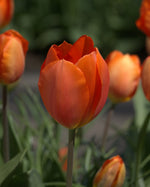
The Tulip Prins Willem Alexander is a striking spring-flowering tulip that brings warmth, energy, and elegance to any garden. With its rich, orange-red glowing tones and classic tulip shape, this variety creates a bold and cheerful display in borders, flower beds, and containers. Its strong stems and reliable blooming make it a favorite for both home gardeners and landscape designs. Perfect for adding a royal touch of colour to spring displays, this tulip stands out beautifully when planted in groups.
-
Vibrant colouring: warm orange-red petals with a glowing, sunlit appearance
-
Classic shape: elegant cup-shaped blooms that open gracefully in spring light
-
Strong performance: sturdy stems that hold up well in wind and rain
-
Garden impact: ideal for mass planting, borders, and seasonal displays
-
Reliable flowering: consistent blooms year after year with proper care
-
Pollinator attraction: helps bring early-season bees to your garden
How to plant and take care of Tulip Prins Willem Alexander:
-
Planting time: plant the bulbs in autumn before the first frost for strong spring growth
-
Planting depth: place bulbs about 10–15 cm deep in well-draining soil
-
Location choice: select a sunny or lightly shaded spot for best flowering results
-
Soil preparation: use loose, fertile soil to support healthy root development
-
Watering routine: water after planting and keep soil lightly moist, avoiding excess water
-
Aftercare: allow foliage to die back naturally so the bulb can store energy for next season
FAQs
In most home gardens, you do not strictly need to stake Prins Willem Alexander Tulips, but it can be beneficial in certain conditions. This tulip variety is typically a taller, showier type, often producing large blooms on relatively long stems. Because of this, it can become top-heavy, especially after rain, wind, or when planted in very rich soil that encourages extra stem growth. In sheltered garden beds with good soil structure, the stems usually stand upright without support. However, in exposed or windy locations, staking or light support rings can help prevent bending or snapping. Another alternative is planting them among lower perennials, which naturally support the stems. Proper spacing and planting in groups also help them support each other. Overall, staking is optional but recommended if you want perfectly upright blooms for display or cut flowers.
Prins Willem Alexander Tulip bulbs are not deer resistant. Like most tulip varieties, they are actually considered a favorite food source for deer, along with rabbits and other garden foragers. Deer are especially attracted to the tender shoots and flower buds in spring, which can result in significant damage if the bulbs are planted in areas with high deer activity. If you are gardening in a region where deer are common, you should not rely on tulips being naturally protected. Instead, you may need to use deterrents such as fencing, deer repellent sprays, or planting tulips close to less palatable plants like daffodils, alliums, or herbs with strong scents. Some gardeners also plant tulips in containers placed closer to the house for added protection. While Prins Willem Alexander Tulips are beautiful and worth growing, they require proactive protection in deer-prone areas.
You should not pinch Prins Willem Alexander Tulips at any stage of their growth. Unlike some bedding plants or herbs that benefit from pinching to encourage branching, tulips are bulb plants that follow a fixed growth cycle. Once planted, they naturally produce a single flower stalk from each bulb, and altering the growth tip can actually harm the plant’s ability to bloom. If you are thinking about controlling height or encouraging sturdier stems, the correct approach is not pinching but rather proper cultural care. Ensure the bulbs are planted at the correct depth (usually about 10–15 cm deep), provide full sun, and avoid excessive nitrogen fertilization, which can lead to weak, floppy stems. If stems are leaning, it is better to support them with nearby plants or light staking rather than attempting to pinch or prune. In short, pinching is not recommended or necessary for tulips at any height.
The secret to successfully growing Prins Willem Alexander Tulip bulbs lies in proper planting conditions, soil preparation, and seasonal care. First, these tulips perform best when planted in the autumn, giving them a cold period that is essential for strong spring flowering. Choose a location with full sun and well-draining soil, because tulip bulbs are very sensitive to excess moisture and can rot in waterlogged conditions. Plant the bulbs about 10–15 cm deep and space them evenly to allow good air circulation. Adding a small amount of bulb fertilizer or compost at planting time can improve flower size and vigor, but avoid over-fertilizing with nitrogen. After blooming, it is important to let the foliage die back naturally so the bulb can store energy for the next season. Removing flowers after they fade also helps redirect energy into the bulb. In summary, good drainage, correct planting depth, and allowing natural leaf dieback are the real secrets to success.
DutchFlowerBulbs
DutchFlowerBulbs ships Premium Quality Flower Bulbs straight from Holland to your garden!
Customer Support