
-
Fall Planted Bulbs
-
Daffodils
-
Iris
-
Tulips
PerennialsGardening InformationSpring Planted Bulbs (out of season)-
Begonias
-
Dahlias
-
Gladiolus
-
Lilies
- Log in
-

Pink Attraction
$7.99
Unit price / perSign up to be the first to know when it's back in stock.
Shipping Starts: Shipping started!
Quantity per Package: 1 Big Tuber
Light Required: Full Sun / Partial Shade
Height: 24-26"
Blooming Period: May - Jun
Bulb size: I (Top Size)
Planting Distance: 18"
Planting Depth: 1"
Hardness Zone:
Deer Resistant: Yes
Minimum Bulbs for Effect: 1-2
About Pink Attraction
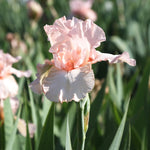
The Bearded Iris Pink Attraction is a standout perennial that brings soft romance and striking elegance to the garden. Its large, silky blooms show a beautiful blend of warm pink tones with subtle highlights, creating a luminous effect in spring borders. The gently ruffled petals and upright form give this iris a refined, eye-catching presence that works perfectly in both modern and classic garden designs. Bearded Iris Pink Attraction is also a reliable grower, returning each year with even more impressive flowering.
- Soft pink elegance: delicate blush tones with a glowing, layered petal structure
- Ruffled flower form: wide, slightly frilled petals that create a luxurious look
- Strong garden impact: tall stems that add height and structure to borders
- Repeat flowering perennial: comes back yearly with improved performance
- Cutting garden favorite: ideal for fresh floral arrangements indoors
- Pollinator appeal: attracts bees with its open, accessible blooms
- Has a sweet fragrance and is a rebloomer
How to plant and take care of Bearded Iris Pink Attraction:
- Planting position: set rhizomes shallowly with the top just visible above soil level
- Sun exposure: place in a bright, sunny spot for the strongest flower production
- Soil choice: use light, well-drained soil to keep rhizomes healthy and dry
- Watering approach: water after planting, then only during extended dry periods
- Seasonal maintenance: remove faded flower stems and keep foliage clean and upright
- Long-term growth: divide clumps every few years to maintain vigorous blooming
FAQs
If you don’t divide Bearded Iris ‘Pink Attraction’ tubers (more accurately rhizomes), the plant will continue to grow, but over time it will become overcrowded and less productive. Bearded irises naturally spread outward each season, forming dense clumps. When these clumps are left undivided for several years, competition for nutrients, water, and sunlight increases. As a result, you may notice fewer blooms, smaller flowers, or even no flowering at all in the center of the plant. Overcrowding can also reduce airflow, which increases the risk of rot and disease. Dividing every 3–5 years helps rejuvenate the plant, encourages stronger flowering, and keeps the iris healthy and vigorous. Without division, the older rhizomes in the center often die off while the outer edges continue growing, leading to an uneven, ring-like appearance in your garden bed.
Yes, Bearded Iris ‘Pink Attraction’ is considered easy to grow, even for beginner gardeners, as long as basic care requirements are met. These irises are hardy perennials that adapt well to a variety of garden conditions. They prefer full sun, well-draining soil, and minimal watering once established. One of the reasons they are popular is their low-maintenance nature—after planting, they require little attention aside from occasional weeding and seasonal division every few years. They are also quite drought-tolerant and resistant to many common garden pests. However, the most important factor for success is proper planting depth and drainage; if rhizomes sit in wet soil, they may rot. Once established, Bearded Iris ‘Pink Attraction’ rewards gardeners with elegant pink blooms and reliable yearly flowering, making them an excellent choice for ornamental borders and flower beds.
The best time to plant Bearded Iris ‘Pink Attraction’ rhizomes is typically from late summer to early autumn, most commonly between July and September, depending on your climate. This timing allows the plant to establish its root system before winter dormancy, ensuring strong growth and flowering the following spring. In warmer regions, planting can sometimes extend into early October, while in cooler climates, earlier planting is preferred to give the rhizomes enough time to settle in. Spring planting is also possible, but it may delay flowering until the next season because the plant needs time to develop roots first. When planting, ensure the rhizomes are positioned just at or slightly above the soil surface, and choose a sunny, well-drained location. Proper timing is essential because irises perform best when they experience a full growing season before extreme weather conditions.
Bearded Iris ‘Pink Attraction’ rhizomes typically begin to show new growth within 2 to 4 weeks after planting, depending on soil temperature, moisture levels, and seasonal conditions. In warmer soil, sprouting can occur more quickly, while cooler conditions may slow the process slightly. However, visible leaf growth does not always appear immediately above the soil, as the plant first focuses on establishing strong roots underground. After planting in late summer or early autumn, you may notice steady foliage development before winter dormancy sets in. Full flowering usually occurs in the following spring or early summer, not immediately after planting. It is important to be patient, as bearded irises are perennials that prioritize long-term establishment over rapid sprouting. Providing full sun, good drainage, and avoiding overwatering will help ensure faster and healthier development of the plant once growth begins.
DutchFlowerBulbs
DutchFlowerBulbs ships Premium Quality Flower Bulbs straight from Holland to your garden!
Customer Support