
-
Fall Planted Bulbs
-
Daffodils
-
Iris
-
Tulips
PerennialsGardening InformationSpring Planted Bulbs (out of season)-
Begonias
-
Canna Lilies
-
Dahlias
-
Gladiolus
-
Lilies
- Log in
-

Cordoba
$7.49
Unit price / perSign up to be the first to know when it's back in stock.
Shipping Starts: The 2nd week of October '26
Quantity per Package: 1 Big Tuber
Light Required: Full Sun / Partial Shade
Height: 24-26"
Blooming Period: May - Jun
Bulb size: I (Top Size)
Planting Distance: 18"
Planting Depth: 1"
Hardness Zone:
Deer Resistant: Yes
Minimum Bulbs for Effect: 1-2
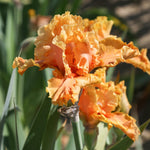
The Bearded Iris Cordoba is a striking orange perennial that adds warmth and contrast to any garden. Its rich, velvety blooms combine deep tones with subtle highlights, creating a bold and elegant display in late spring. This iris stands tall on sturdy stems and pairs beautifully with other perennials in borders or beds. Bearded Iris Cordoba is easy to grow, reliable, and perfect for gardeners who want strong color and structure with little effort.
- Rich colors: deep, velvety blooms with warm orange tones
- Eye-catching display: standout flowers that create strong visual impact
- Reliable perennial: returns each year with consistent flowering
- Garden versatility: perfect for borders, beds, and cut flower use
- Low maintenance: easy to grow and suitable for most garden types
- Pollinator friendly: attracts bees and other beneficial insects
How to plant and take care of Bearded Iris Cordoba:
- Planting depth: place rhizomes just at soil level with the top slightly exposed
- Sunlight needs: choose a sunny location with at least six hours of direct light
- Soil conditions: use well-draining soil to prevent rot and ensure healthy growth
- Watering routine: water lightly after planting, then only when soil becomes dry
- Ongoing care: remove spent flowers and trim back damaged or old leaves
- Dividing plants: divide rhizomes every 3–4 years to keep plants vigorous
FAQs
If you don’t divide Bearded Iris ‘Cordoba’ tubers (technically rhizomes), the plant will continue to grow, but overcrowding can become a serious issue over time. As the clump expands, the center may become woody and less productive, resulting in fewer blooms and weaker flowers. Nutrients in the soil will be spread thin among too many rhizomes, which reduces overall plant vigor. Additionally, poor air circulation within dense clumps can increase the risk of fungal diseases and rot. Dividing every 3–5 years rejuvenates the plant, encourages stronger flowering, and keeps your garden looking tidy. Skipping this maintenance step won’t immediately harm your iris, but it will gradually impact its health and flowering performance.
Yes, Bearded Iris ‘Cordoba’ tubers are considered very easy to grow, making them an excellent choice for both beginner and experienced gardeners. These hardy perennials thrive in well-drained soil and require minimal maintenance once established. They prefer full sun, which helps produce their striking blooms and maintain strong rhizomes. Unlike many plants, they tolerate drought conditions quite well, making them ideal for low-water gardens. Planting them correctly—ensuring the rhizome sits just above soil level—is key to success. With occasional watering, good drainage, and periodic division, they will reward you with vibrant flowers year after year. Their resilience and adaptability make them one of the most reliable flowering plants for home gardens.
The best month to plant Bearded Iris ‘Cordoba’ tubers is typically late summer to early autumn, with August and September being ideal in most climates. Planting during this period allows the rhizomes to establish roots before winter sets in, giving them a strong start for spring growth and flowering. In milder climates, planting can extend into October, while colder regions benefit from earlier planting to avoid frost damage. Timing is important because planting too late can prevent proper root development, while spring planting may delay blooming. Choosing the right planting month ensures healthy growth, better flowering, and a more resilient plant overall. Proper timing is one of the most important steps in successful iris cultivation.
Bearded Iris ‘Cordoba’ tubers typically begin to sprout within 2 to 4 weeks after planting, depending on soil temperature, moisture levels, and sunlight exposure. Warmer conditions with well-drained soil will encourage faster growth, while cooler temperatures may slow down the sprouting process. After planting, the rhizomes focus first on root establishment before visible shoots appear above the soil. Once sprouted, the leaves will grow steadily, preparing the plant for its flowering season, usually in late spring or early summer. Consistent care, including proper watering and sunlight, can help speed up development. While sprouting is relatively quick, patience is essential for achieving the best blooms in the following growing season.
DutchFlowerBulbs
DutchFlowerBulbs ships Premium Quality Flower Bulbs straight from Holland to your garden!
Customer Support