
Explore our Spring Planted collection
Sort by:


The Bearded Iris Earl of Essex is a striking and sophisticated garden plant that brings a yellow color and elegance to any outdoor space. Known for its dramatic blooms and refined shape, this iris variety creates instant impact in borders, flower beds, and cutting gardens. Its rich tones and graceful petals make it a standout choice for gardeners looking to add structure and seasonal flair. Strong, reliable, and easy to grow, Bearded Iris Earl of Essex delivers years of beautiful flowering with very little effort.
- Dramatic blooms: bold, richly colored flowers with a luxurious appearance. It has yellow petals, with a white heart
- Strong garden presence: upright growth adds height and structure to borders
- Perennial beauty: returns yearly with consistent and improved flowering
- Versatile use: ideal for mixed beds, borders, and fresh floral arrangements
- Pollinator attraction: supports bees and butterflies in the garden ecosystem
- Easy cultivation: suitable for both beginner and experienced gardeners
- Is a rebloomer
How to plant and take care of Bearded Iris Earl of Essex:
- Planting depth: place rhizomes just at soil level with the top slightly exposed
- Sunlight needs: choose a sunny spot with at least six hours of direct sunlight
- Soil conditions: ensure well-draining soil to prevent root rot
- Watering routine: water lightly after planting, then only during dry periods
- Ongoing care: remove faded flowers and trim back old leaves to keep plants healthy
- Dividing plants: divide rhizomes every 3–4 years for best flowering results


The Bearded Iris Cordoba is a striking orange perennial that adds warmth and contrast to any garden. Its rich, velvety blooms combine deep tones with subtle highlights, creating a bold and elegant display in late spring. This iris stands tall on sturdy stems and pairs beautifully with other perennials in borders or beds. Bearded Iris Cordoba is easy to grow, reliable, and perfect for gardeners who want strong color and structure with little effort.
- Rich colors: deep, velvety blooms with warm orange tones
- Eye-catching display: standout flowers that create strong visual impact
- Reliable perennial: returns each year with consistent flowering
- Garden versatility: perfect for borders, beds, and cut flower use
- Low maintenance: easy to grow and suitable for most garden types
- Pollinator friendly: attracts bees and other beneficial insects
How to plant and take care of Bearded Iris Cordoba:
- Planting depth: place rhizomes just at soil level with the top slightly exposed
- Sunlight needs: choose a sunny location with at least six hours of direct light
- Soil conditions: use well-draining soil to prevent rot and ensure healthy growth
- Watering routine: water lightly after planting, then only when soil becomes dry
- Ongoing care: remove spent flowers and trim back damaged or old leaves
- Dividing plants: divide rhizomes every 3–4 years to keep plants vigorous


The Bearded Iris Concertina is a striking garden plant known for its soft pastel tones and elegant, ruffled flowers. This beautiful iris variety brings a refined, romantic feel to borders and flower beds while offering strong structure and reliable seasonal blooms. Its unique color play makes it a standout choice for gardeners looking to add gentle charm and long-lasting visual impact. Easy to grow and highly decorative, Bearded Iris Concertina is perfect for both modern and classic garden designs.
- Soft pastel blooms: delicate flowers with layered petals in soothing, elegant shades such as pink, white, and purple.
- Seasonal return: dependable perennial that flowers beautifully year after year
- Decorative value: ideal for borders, mixed beds, and cutting gardens
- Easy cultivation: beginner-friendly and adaptable to many garden settings
- Wildlife appeal: attracts bees and other beneficial pollinators
- Architectural foliage: upright leaves add structure even outside blooming season
How to plant and take care of Bearded Iris Concertina:
- Planting position: set rhizomes shallowly with the top slightly visible above soil level
- Light preference: place in full sun for best flowering performance and strong growth
- Soil quality: choose light, well-drained soil to avoid excess moisture around roots
- Water management: water after planting, then only during extended dry periods
- Seasonal upkeep: remove faded flower stems and clear away old leaf material
- Plant renewal: divide clumps every few years to maintain vitality and flowering strength


The Bearded Iris City Light is a stunning perennial that brings bright elegance and modern charm to any garden. Known for its soft yet luminous purple flower tones and white heart, this bearded iris creates a fresh and uplifting look in borders, flower beds, and cutting gardens. Its strong growth and reliable blooming make it a favorite for gardeners who want long-lasting beauty with minimal effort. Bearded Iris City Light stands out with its refined shape and graceful presence, adding structure and seasonal color year after year.
- Elegant blooms: soft, light-toned flowers that create a bright and airy garden look
- Reliable perennial: returns every year with stronger and more abundant flowering
- Garden versatility: perfect for borders, flower beds, and fresh cut arrangements
- Low maintenance: easy to grow and suitable for many soil types and gardens
- Pollinator friendly: attracts bees and butterflies for a lively garden ecosystem
- Strong structure: upright foliage adds form and texture even outside flowering season
How to plant and take care of Bearded Iris City Light:
- Planting depth: place rhizomes at soil level with the top slightly exposed to prevent rot
- Sun requirements: plant in a sunny spot with at least 6 hours of direct sunlight daily
- Soil conditions: use well-draining soil to support healthy root development and prevent waterlogging
- Watering routine: water lightly after planting, then only when the soil is dry
- Ongoing care: remove faded flowers and trim damaged leaves to encourage strong growth
- Maintenance cycle: divide rhizomes every 3–4 years to maintain vigorous blooming


Bearded Iris Bernice's Legacy is a striking perennial that brings rich color and elegance to any garden. Its dark maroon petals create a beautiful contrast that stands out in borders and beds. This iris blooms in late spring and returns year after year with little effort. strong stems keep the flowers upright, even in wind. perfect for sunny spots, it adds charm and structure to your outdoor space.
- Reliable perennial: returns every year with stronger and fuller flowering
- Garden versatility: ideal for borders, beds, and cutting arrangements
- Low maintenance: easy to grow and suitable for most garden conditions
- Pollinator friendly: attracts bees and butterflies to your outdoor space
- Strong structure: upright foliage adds texture even after flowering
- Is a rebloomer
How to plant and take care of Bearded Iris Bernice’s Legacy:
- Planting depth: place rhizomes just at soil level with the top slightly exposed
- Sunlight needs: choose a sunny location with at least six hours of direct light
- Soil conditions: use well-draining soil to prevent rot and support healthy roots
- Watering routine: water lightly after planting, then only when soil becomes dry
- Ongoing care: remove spent flower stems and trim old or damaged leaves
- Dividing plants: divide rhizomes every 3–4 years to maintain strong blooming

About Fired Up
Bring fiery beauty to your garden with the Semi-Cactus Dahlia Fired Up. Its bold, spiky petals in glowing shades of orange, red, and yellow make a dramatic statement from summer into fall. This variety is loved for its striking color blend, long-lasting blooms, and ability to add height and texture to beds or borders. Perfect for cut flowers, these dahlias light up any space with energy and warmth.
- Large, semi-cactus blooms with vibrant fiery tones
- Grows up to 36–40 inches tall, ideal for garden borders
- Excellent cut flower with a long vase life
- Continuous blooms from midsummer until frost
-
Attracts pollinators like bees and butterflies
How to plant and care for Semi-Cactus Dahlia Fired Up:
- Plant tubers 4–6 inches deep in fertile, well-draining soil
- Space plants about 18–24 inches apart for good airflow
- Choose a sunny location with at least 6 hours of light daily
- Water regularly, keeping soil evenly moist but never soggy
- Feed with a balanced fertilizer every 3–4 weeks for strong blooms
- Remove spent flowers to encourage more flowering through the season


About Bohemian Spartacus
The Dinnerplate Dahlia Bohemian Spartacus is a true showstopper in any garden. With its giant, velvety red blooms that can reach up to 10 inches across, this dahlia adds bold color and drama from midsummer until the first frost. Perfect for garden beds, borders, and cut flower arrangements, it brings both elegance and impact to your outdoor space.
- Large blooms up to 10 inches wide
- Deep, rich red petals with striking texture
- Blooms from midsummer to the first frost
- Perfect for cut flowers and floral displays
- Attracts pollinators like bees and butterflies
How to plant and take care of Dahlia Bohemian Spartacus:
- Choose the right spot: plant in partial shade or dappled sunlight to protect the flowers from scorching.
- Prepare the soil: use well-draining, nutrient-rich soil with added organic matter for best results.
- Plant the tubers: place tubers hollow-side up, about 1 inch deep, and space them 6-8 inches apart.
- Watering: keep the soil consistently moist but avoid overwatering to prevent rot.
- Fertilize regularly: feed with a balanced liquid fertilizer every 2-3 weeks during the growing season.
- Seasonal care: deadhead spent blooms to encourage more flowers, and in colder climates, lift tubers before frost and store in a cool, dry place for replanting.


About Red Pride
The Darwin Hybrid Tulip Red Pride is a stunning flower that adds bold color and elegance to your garden. Its deep red petals and sturdy stems make it perfect for both formal gardens and casual landscaping. This classic tulip variety is known for its long-lasting blooms, creating a beautiful display that will impress throughout spring.
-
Vibrant red color: adds bold contrast and beauty to any garden.
-
Long-lasting blooms: these tulips flower in late spring, providing a beautiful view for weeks.
-
Strong, tall stems: resistant to wind, ensuring your tulips stand proudly.
-
Ideal for borders and containers: perfect for planting in garden beds, along walkways, or in pots.
-
Deer-resistant: keep your garden safe from animal damage.
How to plant and take care of Darwin Hybrid Tulip Red Pride:
-
Planting depth: plant bulbs 6-8 inches deep in well-drained soil.
-
Spacing: space each bulb about 4-6 inches apart to give them room to grow.
-
Sunlight: choose a spot with full or partial sunlight for best results.
-
Watering: water the bulbs after planting, and keep the soil slightly moist, but not soggy.
-
Fertilization: apply a slow-release fertilizer at planting time for healthy growth.
-
Post-bloom care: after the tulips bloom, allow the foliage to die back naturally before removing it to ensure energy is stored for next season.

About Younique Red
Phlox Younique Red is a must-have for any garden lover. With its bold, vibrant red blooms and compact growth, it adds a striking splash of color to borders, containers, or cottage gardens. This low-maintenance perennial attracts butterflies and bees while filling your outdoor space with its sweet fragrance all season long.
- Bright red blooms that last from late spring to early summer
- Compact growth, perfect for small gardens or containers
- Attracts pollinators like butterflies and bees
- Drought-tolerant once established
- Easy to grow and care for, even for beginners
How to plant and care for Phlox Younique Red:
- Choose a spot with full sun to light shade for best blooms
- Plant in well-draining soil, spacing each plant about 12 inches apart
- Water regularly but avoid overwatering; allow the soil to dry slightly between waterings
- Apply a balanced fertilizer in spring to encourage growth
- Deadhead faded flowers to promote continuous blooming
- Cut back the plant in late fall to prepare it for winter

About Younique Orange
Phlox Younique Orange adds a bold splash of color to any garden. With its bright orange blooms and compact growth, this perennial is perfect for borders, containers, or flower beds. Its delightful fragrance and ability to attract pollinators make it a must-have for every gardener. Easy to grow and low maintenance, it’s an excellent choice for beginners and seasoned gardeners alike.
- Vibrant orange blooms that last from early summer to fall.
- Attracts butterflies, bees, and other pollinators.
- Compact and bushy growth, perfect for small spaces.
- Resistant to mildew for healthier, longer-lasting plants.
- Low-maintenance perennial that comes back year after year.
How to plant and care for Phlox Younique Orange:
- Choose a sunny spot with well-drained, fertile soil.
- Plant in spring or early autumn, spacing 12-15 inches apart.
- Water regularly but avoid overwatering to prevent root rot.
- Add a layer of mulch to retain moisture and keep weeds away.
- Prune spent blooms to encourage continuous flowering.
- Feed with a balanced fertilizer in spring for lush growth.


About Younique Old Pink
Phlox Younique Old Pink is a stunning perennial that fills your garden with delicate, soft pink blooms and a sweet fragrance. Its compact growth and long flowering season make it perfect for borders, flower beds, or containers. This low-maintenance beauty is a magnet for bees and butterflies, adding life and color to your outdoor space.
- Soft pink flowers with a sweet, delicate scent.
- Blooms from early summer through late fall.
- Compact size, ideal for small gardens or containers.
- Attracts pollinators like bees and butterflies.
- Resistant to pests and diseases.
How to plant and take care of Phlox Younique Old Pink:
- Choose a sunny or lightly shaded spot with well-draining soil.
- Plant the phlox 12-18 inches apart to allow for proper air circulation.
- Water regularly, keeping the soil evenly moist but not soggy.
- Add a layer of mulch to retain moisture and suppress weeds.
- Deadhead spent flowers to encourage continuous blooming.
- Fertilize in early spring with a balanced, slow-release fertilizer.

About Younique Old Blue
Phlox Younique Old Blue is a stunning perennial that brings soft, fragrant lavender-blue blooms to your garden. Perfect for borders, beds, or containers, this compact plant adds a touch of elegance to any outdoor space. With its long flowering season and easy-care nature, it’s a must-have for gardeners of all levels.
- Blooms in beautiful lavender-blue shades with a soft fragrance.
- Compact growth, ideal for small spaces, borders, and containers.
- Attracts pollinators like bees and butterflies.
- Disease-resistant and low-maintenance perennial.
- Blooms from late spring to summer for weeks of enjoyment.
How to plant and take care of Phlox Younique Old Blue:
- Choose a sunny spot with well-drained soil for planting.
- Plant in early spring or fall, spacing plants about 12 inches apart.
- Water regularly to keep the soil moist, but avoid overwatering.
- Apply a balanced fertilizer once in spring to encourage healthy growth.
- Deadhead faded blooms to encourage continuous flowering.
- Mulch around the base to retain moisture and protect roots in colder months.

About Princess Tutu
The Hemerocallis Princess Tutu is a stunning daylily that will add a touch of elegance to any garden. With its pink blooms and delicate frilled petals, it creates a graceful and charming atmosphere. This daylily is not only beautiful but also easy to grow, making it perfect for gardeners of all skill levels.
- Charming blooms: pink, ruffled flowers with a small yellow center add beauty to your garden.
- Long-lasting flowers: each bloom lasts one day, but the plant produces many flowers throughout the season.
- Low maintenance: requires minimal care while delivering vibrant results.
- Versatile: perfect for borders, flower beds, or as a container plant.
- Resilient: tolerates a range of climates and soil types, making it easy to grow in most gardens.
How to plant and take care of Hemerocallis Princess Tutu:
- Planting depth: Place the roots 2-3 inches deep in well-draining soil.
- Spacing: space plants about 18-24 inches apart to allow for proper growth and airflow.
- Sunlight: choose a location that receives full to partial sunlight for the best blooming.
- Watering: water regularly, ensuring the soil is moist but not soggy.
- Fertilization: use a balanced fertilizer in early spring to encourage strong blooms throughout the season.
- Pruning: deadhead spent flowers to promote new growth and maintain a neat appearance.

About Open My Eyes
Hemerocallis Open My Eyes is a stunning daylily that adds a pop of color to any garden. With its large, soft yellow blooms and deep purple eyes, this hardy perennial is sure to stand out. It’s perfect for borders, containers, or flower beds, bringing vibrant beauty to your landscape season after season. Easy to grow and low-maintenance, the Hemerocallis Open My Eyes offers lasting beauty with minimal effort.
- Vibrant blooms: features large, soft pink flowers with deep purple centers.
- Long bloom time: enjoy beautiful blooms from early summer to fall.
- Low maintenance: a perfect choice for both beginners and experienced gardeners.
- Attracts pollinators: draws in bees and butterflies to your garden.
- Versatile: works well in borders, containers, and flower beds.
How to plant and take care of Hemerocallis Open My Eyes:
- Plant the bulbs in well-drained, slightly acidic soil for best results.
- Space the bulbs about 18 inches apart to allow room for growth.
- Choose a sunny or partially shaded spot, as these daylilies thrive in full sun but can tolerate some shade.
- Water the plants regularly, ensuring the soil stays moist but not waterlogged.
- Fertilize with a balanced fertilizer in early spring and after each bloom to promote strong growth and continuous blooming.
- Cut back spent flowers to encourage new blooms and maintain a neat appearance.

About Frans Hals
Hemerocallis Frans Hals is a vibrant daylily known for its beautiful, red and orange colored and long-lasting blooms. This hardy plant will add a splash of fiery orange to any garden or landscape. Easy to grow and maintain, it's perfect for both beginner and experienced gardeners alike.
- Bright, bold Blooms: enjoy stunning, red and bright orange flowers.
- Long blooming period: blooms appear early in the season and continue throughout the summer.
- Low maintenance: ideal for busy gardeners – minimal care required.
- Versatile: perfect for borders, beds, or containers, adding color wherever you place it.
- Attracts pollinators: a great choice for attracting bees, butterflies, and hummingbirds to your garden.
How to plant and take care of Hemerocallis Frans Hals:
- Planting depth: dig a hole large enough to accommodate the roots and plant at the same depth as it was in the pot.
- Spacing: space the plants about 18 to 24 inches apart for good air circulation.
- Sunlight: plant in full sun for the best flowering, though it can tolerate partial shade.
- Watering: keep the soil moist, especially during dry periods, but avoid waterlogging.
- Soil: prefers well-draining soil. Add compost for better growth.
- Fertilization: use a balanced fertilizer in early spring to promote strong growth and vibrant blooms.

About Rheinland
Astilbe Rheinland is a stunning perennial that brings beauty to your garden with its elegant, feathery blooms. The soft pink flowers contrast beautifully against its lush, green foliage. This plant thrives in moist, shaded areas and adds a touch of charm to any garden. Perfect for borders, garden beds, or even containers, Astilbe Rheinland creates a striking and low-maintenance display all season long.
Astilbe Rheinland is a stunning perennial that brings beauty to your garden with its elegant, feathery blooms. The soft pink flowers contrast beautifully against its lush, green foliage. This plant thrives in moist, shaded areas and adds a touch of charm to any garden. Perfect for borders, garden beds, or even containers, Astilbe Rheinland creates a striking and low-maintenance display all season long.
- Beautiful pink blooms: soft, feathery flowers that bloom in late spring to early summer.
- Shade-loving: ideal for low-light areas, perfect for shady spots in your garden.
- Easy care: low-maintenance plant that thrives with minimal attention.
- Long-lasting: enjoy beautiful flowers year after year with proper care.
- Attracts pollinators: a great choice for attracting bees and butterflies.
How to plant and care for Astilbe Rheinland:
- Planting depth: place the roots about 1-2 inches below the soil surface.
- Soil: plant in moist, well-draining soil rich in organic matter.
- Location: choose a shaded or partially shaded area, as Astilbe Rheinland thrives in low light.
- Watering: keep the soil consistently moist, especially during dry periods. Avoid letting it dry out completely.
- Fertilization: apply a balanced fertilizer in spring to support healthy growth and blooms.
- Pruning: cut back the plant after flowering to encourage new growth and maintain its shape.

About Satin Pearls
Astilbe Satin Pearls is a stunning perennial that will add a touch of elegance to any garden. Known for its soft, feathery plumes in shades of pale pink, this hardy plant thrives in shady spots and moist soils. Perfect for creating borders, ground covers, or filling in shady garden corners, Astilbe Satin Pearls creates a charming, soft-textured look that pairs beautifully with other perennials.
- Elegant flowers: soft pink, plume-like blooms that bring beauty and texture to any garden.
- Shade-loving: ideal for shady or partially shaded garden areas.
- Long-lasting: a hardy perennial that returns year after year.
- Low maintenance: requires minimal care while offering maximum impact.
- Attractive to pollinators: a favorite of bees and butterflies.
How to plant and take care of Astilbe Satin Pearls:
- Planting location: choose a shady or partially shaded area with moist, well-drained soil.
- Soil: enrich the soil with organic matter for better drainage and moisture retention.
- Spacing: plant each Astilbe Satin Pearl about 12-18 inches apart to allow for growth.
- Watering: keep the soil consistently moist, especially during dry spells, but avoid waterlogging.
- Fertilization: feed with a balanced fertilizer in early spring to encourage healthy growth and blooms.
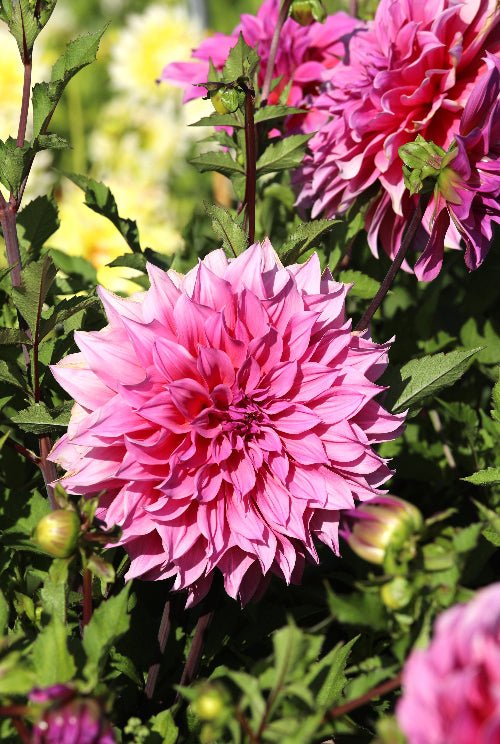
About Lavender Perfection
Dahlia Lavender Perfection is a stunning dahlia variety known for its large, soft lavender-pink blooms. Perfect for garden borders, flower beds, or as a show-stopping cut flower, this dahlia brings elegance and charm to any outdoor space. With its long blooming season and striking color, it’s an excellent choice for brightening up your garden.
- Large, lavender-pink blooms up to 8-10 inches wide.
- Perfect for garden borders, flower beds, or containers.
- Long-lasting flowers from mid-summer to fall.
- Great as a cut flower for floral arrangements.
- Easy to grow and care for, even for beginners.
How to plant and take care of dahlia Lavender Perfection:
- Choose a sunny spot with at least 6-8 hours of sunlight per day.
- Plant tubers in well-drained, rich soil, 6-8 inches deep with the growing tip facing up.
- Space tubers 18-24 inches apart for optimal growth.
- Water thoroughly after planting and keep the soil consistently moist but not soggy.
- Add stakes or supports early to help the stems hold up the large blooms.
- Deadhead faded flowers to encourage continuous blooming through the season.
FAQs