
-
Fall Planted Bulbs
-
Daffodils
-
Iris
-
Tulips
PerennialsGardening InformationSpring Planted Bulbs (out of season)-
Begonias
-
Canna Lilies
-
Dahlias
-
Gladiolus
-
Lilies
- Log in
-

Bernice's Legacy
$7.49
Unit price / perSign up to be the first to know when it's back in stock.
Shipping Starts: The 2nd week of October '26
Quantity per Package: 1 Big Tuber
Light Required: Full Sun / Partial Shade
Height: 24-26"
Blooming Period: May - Jun
Bulb size: I (Top Size)
Planting Distance: 18"
Planting Depth: 1"
Hardness Zone:
Deer Resistant: Yes
Minimum Bulbs for Effect: 1-2
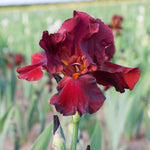
Bearded Iris Bernice's Legacy is a striking perennial that brings rich color and elegance to any garden. Its dark maroon petals create a beautiful contrast that stands out in borders and beds. This iris blooms in late spring and returns year after year with little effort. strong stems keep the flowers upright, even in wind. perfect for sunny spots, it adds charm and structure to your outdoor space.
- Reliable perennial: returns every year with stronger and fuller flowering
- Garden versatility: ideal for borders, beds, and cutting arrangements
- Low maintenance: easy to grow and suitable for most garden conditions
- Pollinator friendly: attracts bees and butterflies to your outdoor space
- Strong structure: upright foliage adds texture even after flowering
- Is a rebloomer
How to plant and take care of Bearded Iris Bernice’s Legacy:
- Planting depth: place rhizomes just at soil level with the top slightly exposed
- Sunlight needs: choose a sunny location with at least six hours of direct light
- Soil conditions: use well-draining soil to prevent rot and support healthy roots
- Watering routine: water lightly after planting, then only when soil becomes dry
- Ongoing care: remove spent flower stems and trim old or damaged leaves
- Dividing plants: divide rhizomes every 3–4 years to maintain strong blooming
FAQs
When planting Bernice’s Legacy tubers, the ideal number depends on whether you are growing them in a garden bed or in containers, as well as the visual effect you want to achieve. In most cases, you should plant one tuber per planting hole to give each plant enough space to develop a strong root system and healthy foliage. However, for a fuller, more dramatic flower display, gardeners sometimes plant 2–3 tubers close together (about 20–30 cm apart) in a group. This works especially well in larger garden beds where the plants have room to spread. If you are aiming for maximum flowering performance, spacing is more important than crowding—typically 30–50 cm apart between plants is recommended. Overcrowding can reduce airflow, increase disease risk, and lead to weaker blooms. So while grouping is possible for aesthetic impact, proper spacing ensures healthier growth and better flowering results overall.
Yes, Bernice’s Legacy tubers will generally multiply over the growing season, especially when grown in good soil conditions with proper care. Like most dahlia-type tuber plants, each original tuber can develop into a larger clump underground by the end of the season. During active growth, the plant produces energy through photosynthesis and stores it in new tubers that form around the original one. By the time you lift them in autumn (in colder climates), you will often find a cluster of several tubers instead of just one. These can be carefully separated and stored or replanted the following year. However, it is important to understand that tuber multiplication is not immediate or explosive—it happens gradually over the growing season. Factors such as soil fertility, watering, sunlight, and fertilization strongly influence how many new tubers are produced. Well-fed and healthy plants will always produce larger and more numerous tuber clumps.
No, Bernice’s Legacy tubers generally do not need to be soaked before planting. In fact, soaking tubers for too long can increase the risk of rot, especially if they are already healthy and firm. These tubers should ideally be planted dry, directly into well-prepared soil once the risk of frost has passed and the soil has warmed. However, some gardeners choose to lightly moisten the soil before planting or allow tubers to sit in a slightly humid environment for a few hours to encourage early sprouting. If the tuber appears slightly shriveled due to storage, you can let it sit in a cool, lightly moist medium (like peat or coco coir) for a short period, but avoid full water soaking. The most important factor is not soaking, but ensuring good drainage after planting. Excess moisture early on is a bigger risk than dryness, as tubers are more likely to rot than dry out in the initial stage.
Yes, Bernice’s Legacy tubers grow very well in pots and containers, making them an excellent choice for patios, balconies, and small gardens. To succeed, choose a large container of at least 30–40 cm in diameter and depth, as these plants need space for root development and stability. Use a high-quality, well-draining potting mix enriched with compost to support strong growth and abundant flowering. When planting, place one tuber per pot (or at most two in very large containers), and ensure the growing point faces upward. Good drainage is essential, as waterlogged soil can cause tuber rot. Position the pot in a sunny location, ideally receiving at least 6 hours of sunlight per day, since flowering depends heavily on light exposure. Regular feeding during the growing season will encourage more blooms, and staking may be necessary as the plant grows taller. Container-grown tubers may also dry out faster than those in the ground, so consistent watering is important without overwatering.
DutchFlowerBulbs
DutchFlowerBulbs ships Premium Quality Flower Bulbs straight from Holland to your garden!
Customer Support