
-
Fall Planted Bulbs
-
Daffodils
-
Iris
-
Tulips
PerennialsGardening InformationSpring Planted Bulbs (out of season)-
Begonias
-
Canna Lilies
-
Dahlias
-
Gladiolus
-
Lilies
- Log in
-
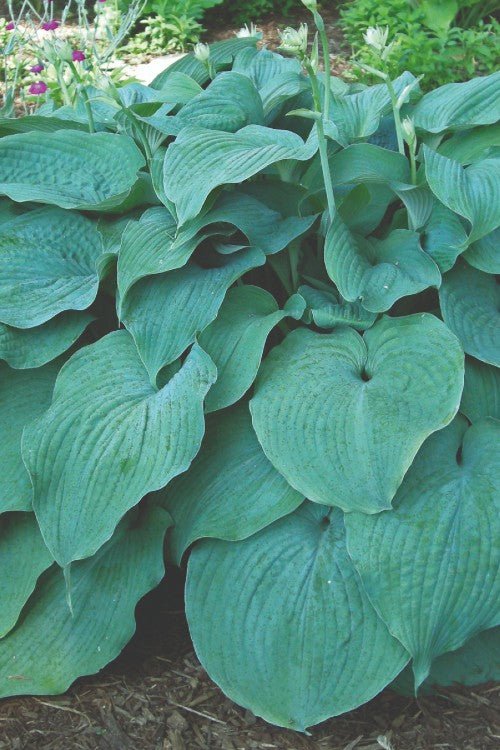
Blue Mammoth
$11.70
Unit price / perSign up to be the first to know when it's back in stock.
Shipping Starts: Currently Sold Out
Quantity per Package: 1 Bulb
Light Required: Shade / Partial Shade
Height: 32-34"
Blooming Period: Jul - Aug
Bulb size: I (Top Size)
Planting Distance: 40-48"
Planting Depth: 1"
Hardness Zone:
Deer Resistant: No
Minimum Bulbs for Effect: 2-3
About Blue Mammoth
The Hosta Blue Mammoth is a stunning and giant addition to any garden. With its large, blue-green leaves and tall stature, it's sure to make a statement in any landscape. This hardy perennial is perfect for shady areas and is easy to care for.
- Large, blue-green leaves that can grow up to 48 inches wide
- Tall stature, reaching heights of up to 34 inches tall
- Perfect for shady areas in your garden
- Hardy perennial that can be planted in zones 3-8
- Easy to care for and maintain
- This is one of the largest of the blue-leaved hostas
- Does well in light shade with some morning sun
How to care for Blue Mammoth?
- Simply dig a hole that is twice the width of the root ball and just as deep.
- Place the plant in the hole, making sure the crown (the point where the roots meet the leaves) is level with the soil surface.
- Backfill the hole with soil and water well.
- Keep the soil consistently moist and fertilize once a month during the growing season.
- It's also important to keep an eye out for slugs and snails, as they can damage the leaves.
FAQs
Blue Mammoth Hostas are a fantastic addition to any garden, particularly those with shaded areas. When planting, choose a location with dappled or partial shade where the soil is well-draining and rich in organic matter. Space the plants about 36 inches apart to give them room to reach their full size.
Water your Blue Mammoth Hostas regularly, maintaining consistent moisture in the soil, but avoid over-watering to prevent root rot. A layer of mulch around the plants will help retain moisture and suppress weeds. In early spring, apply a balanced, slow-release fertilizer to encourage healthy growth. Throughout the growing season, remove any dead or yellowing leaves to keep the plant looking tidy and promote new growth.
To maintain the health and vigor of your Blue Mammoth Hostas, it's a good idea to divide the clumps every 3-5 years. This will also provide you with new plants to spread throughout your garden or share with friends.
The best time to plant Blue Mammoth Hostas is in the spring or early fall. Planting in the spring allows the plants to establish a strong root system before the onset of winter, while early fall planting provides a head start for the following growing season.
Avoid planting during the heat of summer, as high temperatures can stress the plants, and ensure the ground is not frozen when planting in the fall.
Blue Mammoth Hostas are known for their striking size and presence in the garden. These plants can reach a height of 24-36 inches and a spread of up to 60 inches when fully mature.
Their large, blue-green leaves form an impressive mound, making these hostas an excellent focal point in a shaded garden bed or an attractive ground cover beneath trees or shrubs.
While no hosta variety is entirely resistant to slug damage, Blue Mammoth Hostas have some advantages over other types. Their thick, textured leaves are less appealing to slugs, making them more resistant to damage than varieties with thinner foliage.
To further protect your hostas from slugs, employ additional slug deterrent methods such as diatomaceous earth, copper barriers, or beer traps. Regularly inspect your hostas for signs of slug damage and remove any pests you find.
DutchFlowerBulbs
DutchFlowerBulbs ships Premium Quality Flower Bulbs straight from Holland to your garden!
Customer Support