
-
Fall Planted Bulbs
-
Daffodils
-
Iris
-
Tulips
PerennialsGardening InformationSpring Planted Bulbs (out of season)-
Begonias
-
Dahlias
-
Gladiolus
-
Lilies
- Log in
-

Marble Ball
$10.85
Unit price / perSign up to be the first to know when it's back in stock.
Shipping Starts: Sold out for season 2026
Quantity per Package: 1 Big Tuber
Light Required: Full sun / Partial Shade
Height: 24-30"
Blooming Period: Jul - Sep
Bulb size: I (Top Size)
Planting Distance: 18"
Planting Depth: 2"
Hardness Zone:
Deer Resistant: No
Minimum Bulbs for Effect:
About Marble Ball
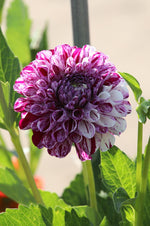
The Pompon Dahlia Marble Ball is a true showstopper in the garden. With perfectly rounded blooms in soft shades of pink, lavender, and white, this Dahlia brings a touch of elegance to borders, beds, and cut flower arrangements. Its long flowering season and compact growth make it a favorite for gardeners who want both beauty and reliability.
- Charming globe-shaped flowers in pink, lavender, and white
- Long-lasting blooms from midsummer until frost
- Strong stems, perfect for cutting and arranging indoors
- Compact size, great for borders, beds, and containers
-
Loved by pollinators like bees and butterflies
How to plant and take care of Pompon Dahlia Marble Ball:
- Plant tubers in well-draining soil after the last frost has passed
- Choose a sunny spot with at least 6 hours of light per day
- Space tubers about 12 inches apart to allow healthy growth
- Water regularly, keeping the soil moist but never waterlogged
- Remove spent blooms to encourage continuous flowering
- Lift and store tubers in a frost-free place over winter for regrowth next season
FAQs
Yes, deadheading Marble Ball Dahlias is highly recommended if you want to encourage continuous blooming throughout the season. Deadheading means removing spent or faded flowers, which prevents the plant from putting energy into seed production. Instead, that energy is redirected into creating new buds, resulting in a longer display of vibrant blooms. Regular deadheading also helps keep the plant looking neat and healthy, improving overall garden aesthetics. By snipping off the spent flowers just above a leaf node, you can promote bushier growth and extend the flowering season until the first frost. Without deadheading, blooms may slow down significantly.
If Marble Ball Dahlia tubers are not divided every couple of years, they can become overcrowded and less productive. Over time, the clump of tubers expands, which can lead to reduced airflow, increased susceptibility to disease, and smaller or fewer flowers. The plant may still survive, but the blooms will often lose their vigor, and the overall growth can become stunted. Dividing tubers rejuvenates the plant by giving each tuber enough space and nutrients to thrive. Additionally, dividing provides an opportunity to propagate new plants, giving you more dahlias for your garden or to share with others.
Marble Ball Dahlia tubers are considered easy to grow, making them a favorite for both beginners and experienced gardeners. They thrive best in well-drained soil with plenty of sunlight, typically around 6–8 hours of direct light per day. Once planted, they require consistent watering, especially during dry periods, but they should not be overwatered as tubers can rot in soggy soil. With minimal care—such as staking, mulching, and occasional fertilizing—these tubers produce stunning, ball-shaped blooms with unique marbled coloring. Their low-maintenance nature and high reward of long-lasting flowers make Marble Ball Dahlias one of the easiest and most rewarding varieties to grow.
The best month to plant Marble Ball Dahlia tubers largely depends on your local climate, but generally, they should be planted in late spring after the danger of frost has passed. In most regions, this falls between April and May. Planting too early, while the soil is still cold and wet, can cause the tubers to rot before they sprout. Dahlias prefer warm soil temperatures, ideally above 60°F (15°C). By planting them in late spring, you ensure they have the right conditions to establish strong roots and begin their growing cycle, which will lead to beautiful blooms in summer.
DutchFlowerBulbs
DutchFlowerBulbs ships Premium Quality Flower Bulbs straight from Holland to your garden!
Customer Support