
-
Fall Planted Bulbs
-
Daffodils
-
Iris
-
Tulips
PerennialsGardening InformationSpring Planted Bulbs (out of season)-
Begonias
-
Dahlias
-
Gladiolus
-
Lilies
- Log in
-

Ilse
$10.99
Unit price / perSign up to be the first to know when it's back in stock.
Shipping Starts: Sold out for season 2026
Quantity per Package: 2 Bulbs
Light Required: Full sun / Partial shade
Height: 18"
Blooming Period: Jun - Aug
Bulb size: 16/18
Planting Distance: 8"
Planting Depth: 6"
Hardness Zone:
Deer Resistant: No
Minimum Bulbs for Effect:
About Ilse
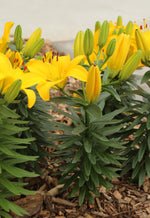
Brighten your garden with the elegant Asiatic Lily Ilse. This stunning lily variety is loved for its pure yellow and freckles, creating a timeless and fresh look. Perfect for borders, beds, or containers, the Asiatic Lily Ilse adds elegance to any outdoor space and makes an excellent cut flower for arrangements. With strong stems and reliable blooms, it’s a must-have for gardeners looking for beauty with ease.
- Blooms in early summer with striking yellow petals
- Grows up to 90 cm tall, making it perfect for borders or as a focal point
- Low-maintenance and hardy, suitable for most garden soils
- Long-lasting cut flowers for bouquets and arrangements
- Resistant to deer and rabbits, ensuring lasting beauty
-
Perfect for in pots and containers
How to plant and take care of Asiatic Lily Ilse:
- Plant bulbs 10-15 cm deep in well-drained soil
- Space bulbs about 20-30 cm apart for healthy growth
- Choose a sunny or partly shaded location for best flowering
- Water regularly but avoid soggy soil
- Add mulch to protect roots and keep soil cool
- Feed with a balanced fertilizer in spring and after flowering
FAQs
The best fertilizer for Ilse Lilies is a balanced, slow-release fertilizer with an NPK ratio around 10-10-10 or 5-10-10. These formulations provide essential nutrients while encouraging strong root growth and abundant blooms. Lilies require phosphorus to promote flowering, nitrogen for healthy foliage, and potassium for overall plant strength. Organic options, such as well-rotted compost or bone meal, can also be excellent choices for enriching the soil naturally. Fertilizing should start in early spring when new growth emerges and continue every four to six weeks during the growing season. Avoid over-fertilizing with high-nitrogen formulas, as this can lead to lush leaves but fewer flowers. Consistent, well-timed feeding will ensure your Ilse Lilies produce healthy stems and long-lasting, vibrant blooms throughout the season.
If your Ilse Lilies are not blooming, several factors could be the cause. A common issue is insufficient sunlight, as lilies need at least six hours of direct sun daily to produce healthy flowers. Another reason may be overcrowding—when bulbs are planted too close together, they compete for nutrients, which can reduce blooming. Poor soil fertility or a lack of proper fertilization can also lead to weak or nonexistent flowers. Additionally, lilies that are not given enough rest after the previous blooming season may fail to recharge their bulbs. Cutting foliage too early after flowering prevents the plant from storing energy for the next year. Pest problems, such as bulb mites or lily beetles, can also stress plants and reduce flowering potential. Ensuring well-draining soil, proper spacing, and seasonal care will help restore healthy blooms.
If you don’t pinch your Ilse Lilies, the plants may still grow, but they won’t achieve their fullest potential in terms of size and flower production. Pinching helps direct the plant’s energy into developing more robust stems and larger blooms. Without pinching, lilies may produce fewer flowers, and the overall shape of the plant can become lanky or less balanced. Additionally, failing to remove spent flowers (a form of pinching called deadheading) allows the plant to focus energy on seed production instead of bulb strength. Over time, this weakens the bulbs, which can reduce blooming in the following season. Pinching also encourages branching and prevents legginess, which enhances the plant’s ornamental value in gardens or containers. While skipping pinching won’t kill your lilies, it can significantly affect both their immediate beauty and their long-term vigor.
To encourage your Ilse Lilies to bloom bigger, focus on providing the right growing conditions and proper care throughout the season. Start by planting bulbs in well-drained, nutrient-rich soil and ensuring they receive at least six to eight hours of direct sunlight daily. Regular feeding with a balanced or bloom-boosting fertilizer high in phosphorus will promote larger, healthier flowers. Consistent watering is also crucial—keep the soil evenly moist, but avoid waterlogging, which can cause bulb rot. Mulching around the base helps retain moisture and regulate soil temperature. Deadheading spent flowers ensures that the plant’s energy goes back into strengthening the bulb instead of seed production. Additionally, allow the foliage to die back naturally after blooming, as this helps recharge the bulbs for next year’s display. Dividing overcrowded clumps every few years also improves flower size by giving each bulb enough space and nutrients to thrive.
DutchFlowerBulbs
DutchFlowerBulbs ships Premium Quality Flower Bulbs straight from Holland to your garden!
Customer Support