
-
Fall Planted Bulbs
-
Daffodils
-
Iris
-
Tulips
PerennialsGardening InformationSpring Planted Bulbs (out of season)-
Begonias
-
Canna Lilies
-
Dahlias
-
Gladiolus
-
Lilies
- Log in
-

War Chief
$7.99
Unit price / perSign up to be the first to know when it's back in stock.
Shipping Starts: The 2nd week of October '26
Quantity per Package: 1 Big Tuber
Light Required: Full Sun / Partial Shade
Height: 24-26"
Blooming Period: May - Jun
Bulb size: I (Top Size)
Planting Distance: 18"
Planting Depth: 1"
Hardness Zone:
Deer Resistant: Yes
Minimum Bulbs for Effect: 1-2
About War Chief
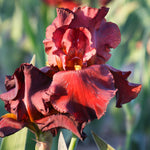
The Bearded Iris War Chief is a powerful and dramatic garden perennial known for its bold color contrast and striking flower form. This variety stands out with deep, rich dark red/ brownish tones and beautifully ruffled petals that create a strong visual impact in borders and flower beds. Its upright growth and sculptural shape make it a true focal point in any spring garden. Bearded Iris War Chief is ideal for gardeners looking to add intensity, structure, and long-lasting seasonal interest with very little effort.
- Bold flower color: deep rich tones with striking contrast and a commanding presence
- Ruffled petals: large, textured blooms with a dramatic and elegant shape
- Strong vertical growth: upright foliage that adds height and structure to garden designs
- Long-lasting perennial: returns reliably each year with improved flowering performance
- Garden focal point: perfect for creating standout accents in borders and mixed beds
- Pollinator attraction: draws bees and butterflies during the blooming season
How to plant and take care of Bearded Iris War Chief:
- Planting depth: set rhizomes shallowly with the top exposed to ensure healthy growth and prevent rot
- Sun exposure: choose a full sun location to enhance flowering strength and color intensity
- Soil requirements: use loose, well-draining soil to support strong root development
- Water management: water lightly after planting, then reduce watering once established
- Seasonal care: remove faded flower stems and clean up foliage to keep plants vigorous
- Replanting cycle: divide and replant rhizomes every few years to maintain strong blooming
FAQs
The best fertilizer for Bearded Iris ‘War Chief’ (rhizomes, often incorrectly called tubers) is a low-nitrogen, phosphorus- and potassium-rich formula. A balanced but bloom-focused fertilizer such as 5-10-10 or 6-10-10 is ideal because it supports strong root development and encourages flowering rather than excessive leaf growth. Too much nitrogen will result in lush green leaves but fewer blooms, which is a common mistake in iris care. You can also improve soil fertility by adding bone meal or well-rotted compost when planting or in early spring. Feed lightly in early spring just as growth begins, and again right after flowering to help the plant store energy for next season. Avoid over-fertilizing, as bearded irises are naturally light feeders and prefer slightly lean, well-drained soil conditions for best blooming performance.
There are several common reasons why Bearded Iris ‘War Chief’ may fail to bloom. One of the most frequent causes is planting the rhizomes too deeply. Iris rhizomes should be positioned so the top is slightly exposed to sunlight; burying them too deep prevents proper flower formation. Another major factor is insufficient sunlight—these irises require at least 6 hours of direct sun daily to bloom well. Overcrowding is also a problem; if the clumps are too dense, the plants compete for nutrients and stop flowering, meaning they may need dividing every 3–4 years. Excess nitrogen fertilizer can also lead to leafy growth with no blooms. Additionally, poor drainage can cause rhizome rot, weakening the plant. Finally, immature plants or those recently transplanted may take a season or two to establish before flowering reliably.
Bearded Iris ‘War Chief’ does not actually require traditional “pinching” like some annual flowers or soft-stemmed plants. If by pinching you mean removing spent flower buds or controlling growth, the impact is generally minimal on irises. However, if spent blooms are not removed (deadheading), the plant may put energy into seed production instead of strengthening the rhizome for next year’s blooms. This can slightly reduce flowering performance over time. On the other hand, if you are referring to pinching foliage, that is not recommended because iris leaves are essential for photosynthesis and energy storage. The plant relies on its long, upright leaves to feed the rhizome. So, not “pinching” the plant will not harm it, but proper care like removing spent flower stalks after blooming is more important for maintaining long-term vigor and encouraging better flowering in future seasons.
To encourage larger, more impressive blooms on Bearded Iris ‘War Chief’, focus on optimizing growing conditions and maintenance practices. First, ensure the plant receives full sun for at least 6–8 hours daily, as sunlight directly influences flower size and quality. Second, divide overcrowded rhizomes every 3–4 years to prevent competition and rejuvenate blooming strength. Proper fertilization is also essential—use a low-nitrogen, bloom-boosting fertilizer like 5-10-10 in early spring and again after flowering. Plant rhizomes at the correct depth with the top slightly exposed to prevent rot and encourage strong flower spikes. Water moderately; irises prefer well-drained soil and dislike soggy conditions. Removing spent flower stalks helps redirect energy back into the rhizome. With these care steps, your Bearded Iris ‘War Chief’ will produce healthier plants and noticeably larger, more vibrant blooms season after season.
DutchFlowerBulbs
DutchFlowerBulbs ships Premium Quality Flower Bulbs straight from Holland to your garden!
Customer Support