
Tennison Ridge

$7.99

Shipping Starts: The 2nd week of October '26

Quantity per Package: 1 Big Tuber

Light Required: Full Sun / Partial Shade

Height: 24-26"

Blooming Period: May - Jun

Bulb size: I (Top Size)

Planting Distance: 18"

Planting Depth: 1"

Hardness Zone:

Deer Resistant: Yes

Minimum Bulbs for Effect: 1-2

About Tennison Ridge

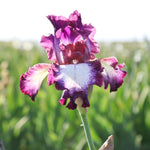
The Bearded Iris Tennison Ridge is a striking perennial that brings bold structure and rich color depth to the garden. Its sculpted petals and layered form create a dramatic effect, making it a standout in borders, perennial beds, and cutting arrangements. This variety is valued for its strong growth, elegant bloom shape, and reliable flowering season after season. Bearded Iris Tennison Ridge adds a refined yet powerful accent to any outdoor space and is perfect for gardeners who want both beauty and durability. Tennison Ridge is a purple with white Bearded Iris and has an orange heart.

  • Distinctive blooms: ruffled petals with a bold, sculptural flower form and layered texture
  • Rich color tones: deep, expressive hues that create contrast in mixed plantings
  • Strong garden presence: upright growth habit that adds height and structure
  • Long-lasting performance: dependable perennial that returns with improved blooms each year
  • Cutting garden value: excellent as a fresh cut flower with a long vase life
  • Pollinator appeal: attracts bees and supports a healthy garden ecosystem

How to plant and take care of Bearded Iris Tennison Ridge:

  • Planting position: place rhizomes at soil level with the top slightly exposed to the sun
  • Sun exposure: choose a bright, open spot with full sun for best flowering results
  • Soil choice: plant in well-drained soil to prevent excess moisture around the roots
  • Watering balance: water after planting, then keep on the dry side to avoid rot
  • Seasonal care: remove faded flower stems and clean up old leaves after blooming
  • Plant renewal: divide clumps every few years to keep plants vigorous and blooming strongly
$7.99

FAQs

In most home garden conditions, Bearded Iris ‘Tennison Ridge’ does not require staking, especially when grown in well-prepared soil with full sun and proper spacing. Bearded irises (which grow from rhizomes rather than true tubers) typically have strong, upright flower stems that are naturally self-supporting. However, staking may occasionally be helpful in specific situations, such as when plants are grown in very rich soil that encourages excessive foliage growth, or when exposed to strong winds and heavy spring rains. Tall bloom spikes can sometimes become top-heavy during peak flowering, especially if multiple buds open at once. To avoid the need for staking, ensure good drainage, avoid over-fertilizing with nitrogen-heavy feeds, and plant rhizomes at the correct depth. Overall, staking is rarely necessary for ‘Tennison Ridge’ and is usually only a backup option in less-than-ideal growing conditions.

Yes, Bearded Iris ‘Tennison Ridge’ is widely considered deer resistant, making it a popular choice for gardeners dealing with browsing wildlife. Deer generally avoid bearded irises because their rhizomes, leaves, and flowers contain natural compounds and have a tough, unpalatable texture. While no plant is completely deer-proof—especially during times of food scarcity—bearded iris varieties are typically low on a deer’s preferred menu. This makes them especially valuable in mixed borders, cottage gardens, and perimeter plantings where deer pressure is common. In addition to deer resistance, they are also often resistant to rabbits and other small herbivores. To maximize success, plant them in sunny, open areas with good air circulation, as healthy, vigorous plants are even less likely to be disturbed. ‘Tennison Ridge’ offers both ornamental beauty and practical resilience, making it a reliable choice for low-maintenance, wildlife-resistant garden design.

Bearded Iris ‘Tennison Ridge’ does not require pinching at any growth stage, as pinching is generally not part of standard iris care. Unlike many annuals or herbaceous perennials that benefit from pinching to encourage branching or bushiness, bearded irises grow from rhizomes and produce upright fans of sword-like leaves with flower spikes emerging independently. If gardeners attempt pinching, they may actually reduce the plant’s ability to store energy and bloom effectively. Instead of focusing on pinching height, the key developmental milestone is when the foliage fans reach full seasonal maturity—usually before bloom spikes appear in spring. At that stage, maintenance should focus on removing any damaged leaves and ensuring proper spacing for airflow. If the goal is better flowering, the best practice is to divide overcrowded clumps every 3–4 years rather than pinching. This ensures healthier growth and more abundant blooms.

The real secret to successfully growing Bearded Iris ‘Tennison Ridge’ lies in mastering a few essential conditions: sunlight, drainage, and correct planting depth. These irises thrive in full sun—ideally at least six hours per day—which directly influences flower production and color vibrancy. Well-drained soil is absolutely critical, as rhizomes are highly susceptible to rot in overly wet conditions. Plant them so the top of the rhizome is exposed or barely covered with soil, which is a key detail many gardeners miss. Overwatering and heavy mulching around the crown should be avoided. Another important secret is timing: divide and replant every few years after blooming slows to maintain vigor and prevent overcrowding. Light feeding in early spring with a low-nitrogen fertilizer can also boost flowering without promoting weak foliage. With these fundamentals, ‘Tennison Ridge’ will reward you with strong growth, striking blooms, and long-term garden performance.