
Ozark Rebounder

$7.99

Shipping Starts: The 2nd week of October '26

Quantity per Package: 1 Big Tuber

Light Required: Full Sun / Partial Shade

Height: 24-26"

Blooming Period: May - Jun

Bulb size: I (Top Size)

Planting Distance: 18"

Planting Depth: 1"

Hardness Zone:

Deer Resistant: Yes

Minimum Bulbs for Effect: 1-2

About Ozark Rebounder

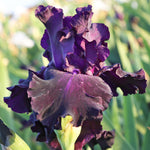
The Bearded Iris Ozark Rebounder is a striking reblooming perennial that brings dynamic color and movement to the garden. This variety is admired for its bold, ruffled petals and its ability to flower more than once per season, offering long-lasting visual impact. The blooms often show rich contrasts with deep tones and lighter highlights, creating a lively, almost painted effect in borders and flower beds. Strong, elegant, and reliable, Ozark Rebounder is an excellent choice for gardeners who want repeated seasonal color with a unique ornamental look. It has a maroon, dark purple color.

  • Bold reblooming habit: produces flowers more than once per season for extended garden color
  • Ruffled petals: dramatic, textured blooms with a full and luxurious appearance
  • Striking color contrast: deep tones combined with lighter accents for a vivid display
  • Garden performance: ideal for borders, mixed beds, and focal planting areas
  • Low maintenance growth: thrives easily once established with minimal care needs
  • Pollinator appeal: attracts bees and adds life and movement to the garden

How to plant and take care of Bearded Iris Ozark Rebounder:

  • Planting depth: set rhizomes at soil level with the top slightly exposed to prevent rot
  • Sun exposure: choose a bright, sunny location to encourage strong flowering and reblooming
  • Soil quality: use well-drained soil, as irises dislike wet or compacted ground
  • Water management: water after planting, then only during prolonged dry periods
  • Seasonal care: remove spent flower stems and keep the base clean for healthy growth
  • Plant renewal: divide clumps every few years to maintain vigor and flowering strength
$7.99

FAQs

Yes, Bearded Iris Ozark Rebounder rhizomes (often loosely called “tubers”) are considered toxic to pets such as cats and dogs. Like most bearded iris varieties, this plant contains compounds that can cause gastrointestinal irritation if ingested. The highest concentration of irritants is found in the rhizome, but the leaves and flowers can also cause mild reactions. If a pet chews or eats parts of the plant, symptoms may include drooling, vomiting, diarrhea, reduced appetite, or mild lethargy. While serious poisoning is uncommon, irritation can still be uncomfortable and may require veterinary attention if symptoms persist. It is best to plant Bearded Iris Ozark Rebounder in areas where curious pets do not dig or chew. For pet-safe gardening, always monitor animals around ornamental plants and consider protective barriers if your pets are prone to exploring garden beds.

Bearded Iris Ozark Rebounder rhizomes should be planted very shallowly for best growth and flowering performance. Unlike many garden bulbs, iris rhizomes perform best when partially exposed to air and sunlight. The ideal planting depth is typically just beneath the soil surface, with the top of the rhizome either slightly exposed or covered by no more than 1–2 cm (about ½ inch) of soil in lighter conditions. In warmer climates, keeping the rhizome exposed helps prevent rot, while in colder regions a light soil covering or mulch can offer protection during winter. When planting, spread the roots out beneath the rhizome and press the soil firmly to anchor the plant without burying it too deeply. Planting too deep is one of the most common reasons irises fail to bloom, so proper shallow placement is essential for healthy growth and strong flowering.

Deadheading Bearded Iris Ozark Rebounder does not typically produce additional blooms on the same flower stalk, but it is still an important maintenance practice. Each iris stem usually produces a set number of flowers that bloom sequentially and then finish for the season. Once the flowers fade, removing spent blooms—known as deadheading—prevents the plant from wasting energy on seed production. Instead, the plant can redirect energy into strengthening the rhizome and supporting healthier growth for the next season. While deadheading will not trigger a second flush of flowers in most standard bearded iris varieties, it does improve the overall appearance of the plant and helps maintain a tidy garden bed. In some reblooming iris types, good care including deadheading and feeding may support repeat flowering later in the season, but Ozark Rebounder generally follows the single-season bloom cycle.

When planting Bearded Iris Ozark Rebounder, proper spacing is essential for healthy growth, airflow, and long-term flowering performance. These irises should generally be planted about 30 to 60 cm (12 to 24 inches) apart from other plants, including bulbs and perennials. This spacing allows enough room for the rhizomes to expand naturally over time, as bearded irises tend to multiply and form clumps. Good air circulation between plants also helps prevent fungal diseases and rhizome rot, which can occur in crowded, damp conditions. When planting near other spring or summer bulbs, avoid placing them too close together in the same hole or tightly packed cluster. Instead, give each iris its own space in the garden bed, ensuring it receives full sun and does not get shaded by faster-growing neighbors. Proper spacing not only improves plant health but also enhances flowering display in future seasons.