
Invitation

$7.99

Shipping Starts: The 2nd week of October '26

Quantity per Package: 1 Big Tuber

Light Required: Full Sun / Partial Shade

Height: 24-26"

Blooming Period: May - Jun

Bulb size: I (Top Size)

Planting Distance: 18"

Planting Depth: 1"

Hardness Zone:

Deer Resistant: Yes

Minimum Bulbs for Effect: 1-2

About Invitation

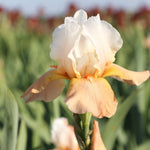
The Bearded Iris Invitation is a graceful and eye-catching perennial that brings soft elegance and refined color contrast to the spring garden. Its beautifully shaped blooms open in layered form, often showing a delicate blend of light tones with subtle depth in the petals. This iris stands out in borders, cottage gardens, and cutting arrangements, where its upright stems and artistic flower shape create a gentle yet striking presence. Bearded Iris Invitation is a reliable choice for gardeners who want charm, structure, and long-lasting seasonal interest.

  • Soft-toned petals: beautifully layered flowers with refined pastel-like shades and elegant contrast of white and orange.
  • Distinct flower shape: ruffled blooms with a classic bearded iris silhouette and artistic form
  • Strong garden presence: upright stems that add structure and height to borders and beds
  • Seasonal return: dependable perennial that blooms year after year with consistent performance
  • Cutting garden favorite: perfect for indoor bouquets thanks to its long stems and graceful flowers
  • Easy garden impact: delivers high visual value with minimal effort once established

How to plant and take care of Bearded Iris Invitation:

  • Planting position: place rhizomes just at soil level with the top exposed to prevent rot and support blooming
  • Light preference: choose a sunny spot where the plant receives at least 6 hours of direct sunlight daily
  • Soil choice: use loose, well-draining soil to keep roots healthy and avoid excess moisture buildup
  • Water approach: water after planting, then only sparingly as irises prefer slightly dry conditions once established
  • Maintenance routine: remove faded flower stems after blooming and clean up older leaves to keep plants healthy
  • Growth renewal: divide rhizomes every few years to refresh flowering and prevent overcrowding
$7.99

FAQs

When planting Bearded Iris ‘Invitation’, it is best not to crowd them too closely. In most garden settings, you should plant one rhizome per planting point with enough space for growth. If you want a fuller display, you can group 3 to 5 rhizomes together, but always space them about 20–40 cm apart so each plant has room to expand. Bearded iris does not grow like traditional bulb flowers that need tight clusters; instead, they spread horizontally over time. Planting too many in one small area can reduce airflow, increase disease risk, and limit flowering performance. For the best visual impact in landscaping, stagger small groups of 3 rhizomes in triangular or drift formations. This creates a natural, garden-style look while still allowing each plant to thrive. Proper spacing is key for healthy blooms, strong root development, and long-term flowering success.

Yes, Bearded Iris ‘Invitation’ will absolutely multiply over time, but it is important to understand that they spread through rhizomes rather than true tubers. As the plant matures, the underground rhizomes extend outward horizontally, producing new “offsets” that become additional plants. This natural propagation process usually becomes noticeable after one to two growing seasons, with clumps gradually expanding each year. Eventually, a single iris plant can form a dense clump that may need dividing every 3 to 5 years to maintain healthy flowering. If left undivided, the center of the clump can become overcrowded and produce fewer blooms. This multiplication makes bearded iris an excellent long-term garden investment because one initial planting can develop into a large, colorful display over time. To encourage strong multiplication, plant in a sunny location with well-draining soil and avoid over-fertilizing, which can reduce flowering quality.

No, Bearded Iris ‘Invitation’ rhizomes (often mistakenly called tubers) do not require soaking before planting. In fact, soaking them can sometimes be harmful because iris rhizomes are prone to rot if exposed to excessive moisture before they are established in soil. Unlike some flower bulbs that benefit from pre-soaking, bearded iris prefers to be planted dry and placed directly into well-draining soil. The most important step is ensuring the planting site is prepared properly: loose soil, good drainage, and partial exposure of the rhizome at the surface. Only the roots should be covered, while the top of the rhizome remains slightly exposed to sunlight. After planting, water lightly to help settle the soil, but avoid waterlogging. Overwatering or pre-soaking can increase the risk of fungal issues and rot, which can damage the plant before it even starts to grow. Proper planting technique is far more important than soaking for healthy iris growth.

Yes, Bearded Iris ‘Invitation’ can be successfully grown in pots and containers, making them a great option for patios, balconies, and small gardens. However, container growing requires the right setup to ensure healthy growth and flowering. Choose a wide, shallow pot rather than a deep one, as iris rhizomes spread horizontally. Good drainage is essential, so always use pots with multiple drainage holes and a well-draining soil mix, ideally a blend of potting soil with sand or grit. When planting, place the rhizome so the top is slightly exposed above the soil surface, just like in garden beds. Container-grown iris may need more frequent watering than those planted in the ground, but avoid keeping the soil constantly wet. Overcrowding should also be avoided; typically, one to three rhizomes per medium-sized container is ideal. With enough sunlight—at least six hours per day—potted Bearded Iris ‘Invitation’ can produce strong, vibrant blooms.