
-
Fall Planted Bulbs
-
Daffodils
-
Iris
-
Tulips
PerennialsGardening InformationSpring Planted Bulbs (out of season)-
Begonias
-
Canna Lilies
-
Dahlias
-
Gladiolus
-
Lilies
- Log in
-

His Royal Highness
$7.99
Unit price / perSign up to be the first to know when it's back in stock.
Shipping Starts: The 2nd week of October '26
Quantity per Package: 1 Big Tuber
Light Required: Full Sun / Partial Shade
Height: 24-26"
Blooming Period: May - Jun
Bulb size: I (Top Size)
Planting Distance: 18"
Planting Depth: 1"
Hardness Zone:
Deer Resistant: Yes
Minimum Bulbs for Effect: 1-2
About His Royal Highness
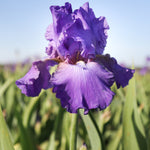
The Bearded Iris His Royal Highness is a striking and elegant perennial that adds rich color and a luxurious feel to any garden. This iris variety is known for its deep, purple toned blooms and strong upright form. It creates an impressive display in borders, flower beds, and cutting gardens. With its reliable flowering and easy care, Bearded Iris His Royal Highness is perfect for gardeners who want a bold focal point that returns year after year.
- Majestic blooms: large, velvety flowers in deep, rich purple tones
- Strong perennial: returns yearly with improved flowering performance
- Garden impact: perfect as a focal point in borders and mixed beds
- Easy to grow: suitable for both beginner and experienced gardeners
- Pollinator friendly: attracts bees and butterflies to the garden
- Excellent cut flower: ideal for elegant indoor arrangements
- Is a rebloomer
How to plant and take care of Bearded Iris His Royal Highness:
- Planting depth: place rhizomes at soil level with the top slightly exposed
- Sun requirements: plant in a sunny spot with at least six hours of direct light
- Soil preference: use well-drained soil to prevent rot and support healthy growth
- Watering needs: water after planting, then only when soil becomes dry
- Ongoing care: remove spent flower stems and clean up old foliage after blooming
- Plant division: divide rhizomes every 3–4 years to maintain strong flowering
FAQs
To encourage larger and more impressive blooms on your Bearded Iris ‘His Royal Highness’, focus on sunlight, feeding, spacing, and plant maturity. These irises need at least 6–8 hours of full sun daily; insufficient light is one of the biggest reasons blooms stay small. Avoid high-nitrogen fertilizers, as they promote leafy growth instead of flowers. Instead, use a low-nitrogen, high-phosphorus fertilizer in early spring and just after flowering to support strong bloom development for the next season. Make sure rhizomes are not overcrowded—bearded iris need airflow, so divide clumps every 3–4 years. Plant rhizomes slightly exposed at the soil surface to prevent rot and encourage energy flow into flowering. Remove spent flower stalks promptly to redirect energy back into the rhizome. Consistent but not excessive watering also helps, especially during dry spells in spring. Healthy, well-established rhizomes naturally produce larger and more abundant blooms over time.
The best potting soil for Bearded Iris ‘His Royal Highness’ rhizomes is a fast-draining, airy mix that prevents excess moisture around the rhizome. These plants are highly sensitive to rot, so heavy or water-retentive soils should be avoided. A high-quality mix should include a base of standard potting soil blended with coarse sand, perlite, or fine gravel to improve drainage. A good ratio is roughly 50% potting soil, 30% perlite or sand, and 20% compost for light nutrients. The compost should be used sparingly, as overly rich soil can lead to weak flowering and soft growth. Slightly alkaline to neutral pH (around 6.5–7.0) is ideal for bearded iris performance. When planting in pots, ensure containers have excellent drainage holes and never allow standing water at the bottom. Elevating the rhizome slightly above the soil line also helps maintain dryness. Proper soil structure is essential for long-term blooming success and rhizome health.
Bearded Iris ‘His Royal Highness’ rhizomes may bloom in the first year, but it is not guaranteed. Much depends on the size and maturity of the rhizome at planting time. Larger, well-developed rhizomes that are planted at the right time—usually late summer to early autumn—are more likely to produce flowers in the following spring. However, smaller or newly divided rhizomes often focus their energy on establishing strong roots and foliage during the first year rather than blooming heavily. This is completely normal and part of the plant’s natural growth cycle. Even if blooms appear in the first year, they may be fewer or slightly smaller compared to mature plants. By the second or third year, once the clump has established itself, flowering typically becomes much more reliable and abundant. Patience is important with bearded iris, as their best flowering performance comes after they settle into their location.
Yes, Bearded Iris ‘His Royal Highness’ rhizomes are hardy perennials, meaning they come back every year when properly planted and cared for. Once established, they form long-lived clumps that return each spring with new foliage and blooms. These irises survive winter dormancy in the rhizome, which stores energy for the next growing season. In suitable conditions—well-drained soil, full sun, and good air circulation—they can thrive for many years in the same location. However, to maintain strong flowering performance, it is recommended to divide the rhizomes every 3–5 years. Without division, clumps can become overcrowded, leading to reduced blooming and weaker plants. Winter hardiness is generally excellent, but the most important factor for returning year after year is avoiding soggy soil, which can cause rot. With proper care, Bearded Iris ‘His Royal Highness’ will reliably return and often expand into larger, more impressive clumps over time.
DutchFlowerBulbs
DutchFlowerBulbs ships Premium Quality Flower Bulbs straight from Holland to your garden!
Customer Support