
-
Fall Planted Bulbs
-
Daffodils
-
Iris
-
Tulips
PerennialsGardening InformationSpring Planted Bulbs (out of season)-
Begonias
-
Dahlias
-
Gladiolus
-
Lilies
- Log in
-

Egg Nog
$7.79
Unit price / perSign up to be the first to know when it's back in stock.
Shipping Starts: Shipping started!
Quantity per Package: 1 Big Tuber
Light Required: Full Sun / Partial Shade
Height: 24-26"
Blooming Period: May - Jun
Bulb size: I (Top Size)
Planting Distance: 18"
Planting Depth: 1"
Hardness Zone:
Deer Resistant: Yes
Minimum Bulbs for Effect: 1-2
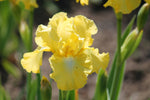
The Bearded Iris Egg Nög is a unique and eye-catching yellow perennial that brings soft elegance and charm to any garden. Known for its distinctive flower shape and gentle color tones, this bearded iris creates a fresh and refined look in borders, beds, and cutting gardens. It is a reliable bloomer that returns each year with strong growth and beautiful flowers. Perfect for gardeners who want a mix of simplicity, structure, and long-lasting seasonal color.
- Elegant blooms: soft-toned, ruffled yellow flowers with a refined and delicate appearance
- Reliable perennial: returns every year with consistent and improved flowering
- Garden versatility: ideal for borders, flower beds, and cutting arrangements
- Low maintenance: easy to grow and suitable for many soil types
- Pollinator friendly: attracts bees and butterflies to support garden biodiversity
- Strong structure: upright foliage adds architectural interest after blooming
How to plant and take care of Bearded Iris Egg Nög:
- Planting depth: place rhizomes at soil level with the top slightly exposed for best results
- Sunlight requirements: choose a sunny spot with at least six hours of direct light daily
- Soil conditions: ensure well-draining soil to prevent rot and support healthy root development
- Watering routine: water lightly after planting, then only when the soil becomes dry
- Ongoing care: remove spent flower stems and trim damaged leaves to encourage healthy growth
- Plant division: divide rhizomes every 3–4 years to maintain strong flowering performance
FAQs
Bearded Iris, including unusual or specialty cultivars sometimes marketed under names like “Egg Nög,” typically do not require staking when grown under normal garden conditions. Unlike tall, top-heavy perennials such as delphiniums or gladiolus, bearded iris grow from rhizomes rather than true tubers, and they produce relatively sturdy, upright flower stems. Most healthy plants stand on their own without support. However, staking may be helpful in certain situations—such as if the plants are grown in very rich soil, partial shade, or windy locations where flower stems can become elongated and weaker. Over-fertilizing with nitrogen can also lead to floppy growth. For best results, plant iris in well-draining soil, full sun, and avoid overcrowding. This encourages strong, self-supporting stems and reduces the need for any staking entirely.
Yes, Bearded Iris (including cultivars like “Egg Nög”) are widely considered highly deer resistant. Deer typically avoid iris plants because their rhizomes, leaves, and flowers contain natural compounds that are unpalatable and mildly irritating to grazing animals. While no plant is completely “deer-proof” if food sources are scarce, iris are consistently among the least likely perennials to be damaged by deer browsing. This makes them an excellent choice for gardens in rural or suburban areas where deer pressure is common. In addition to deer resistance, iris are also generally resistant to rabbits and many other garden pests. For best protection and plant health, ensure proper spacing and airflow, as this reduces disease risk and keeps the plant strong enough to naturally deter occasional wildlife interest.
Bearded Iris do not typically require pinching in the same way as many annual flowering plants. Instead of pinching, gardeners focus on maintaining healthy foliage and strong rhizome development. If you are referring to removing or trimming early leaf growth, iris leaves should generally be allowed to grow naturally until they reach their full seasonal height, which is often around 12–36 inches (30–90 cm) depending on the variety. Pinching is not recommended because iris leaves are essential for photosynthesis and energy storage in the rhizome. Removing growing tips too early can weaken the plant and reduce blooming potential. The only routine trimming needed is after flowering or in late fall, when damaged or diseased leaves can be cleaned up. So rather than pinching at a certain height, focus on letting the plant mature undisturbed for best performance.
The true secret to successfully growing Bearded Iris, including unique varieties like “Egg Nög,” lies in proper planting depth, sunlight, and drainage. Iris rhizomes must be planted very shallowly—ideally with the top of the rhizome slightly exposed to sunlight. Burying them too deeply is one of the most common reasons they fail to bloom or rot. Full sun exposure (at least 6 hours daily) is essential for strong flowering. Equally important is well-draining soil; iris dislike wet, soggy conditions and perform best in slightly elevated or loose soil beds. Avoid heavy nitrogen fertilizers, which encourage leafy growth instead of flowers. Instead, use a balanced, low-nitrogen fertilizer in early spring. Dividing clumps every 3–4 years also helps maintain vigor and flowering strength. With these core practices, bearded iris will reward you with reliable blooms and long-term garden performance.
DutchFlowerBulbs
DutchFlowerBulbs ships Premium Quality Flower Bulbs straight from Holland to your garden!
Customer Support