
-
Fall Planted Bulbs
-
Daffodils
-
Iris
-
Tulips
PerennialsGardening InformationSpring Planted Bulbs (out of season)-
Begonias
-
Dahlias
-
Gladiolus
-
Lilies
- Log in
-

Earl of Essex
$7.49
Unit price / perSign up to be the first to know when it's back in stock.
Shipping Starts: The 2nd week of October '26
Quantity per Package: 1 Big Tuber
Light Required: Full Sun / Partial Shade
Height: 24-26"
Blooming Period: May - Jun
Bulb size: I (Top Size)
Planting Distance: 18"
Planting Depth: 1"
Hardness Zone:
Deer Resistant: Yes
Minimum Bulbs for Effect: 1-2
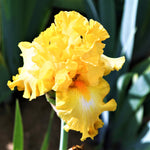
The Bearded Iris Earl of Essex is a striking and sophisticated garden plant that brings a yellow color and elegance to any outdoor space. Known for its dramatic blooms and refined shape, this iris variety creates instant impact in borders, flower beds, and cutting gardens. Its rich tones and graceful petals make it a standout choice for gardeners looking to add structure and seasonal flair. Strong, reliable, and easy to grow, Bearded Iris Earl of Essex delivers years of beautiful flowering with very little effort.
- Dramatic blooms: bold, richly colored flowers with a luxurious appearance. It has yellow petals, with a white heart
- Strong garden presence: upright growth adds height and structure to borders
- Perennial beauty: returns yearly with consistent and improved flowering
- Versatile use: ideal for mixed beds, borders, and fresh floral arrangements
- Pollinator attraction: supports bees and butterflies in the garden ecosystem
- Easy cultivation: suitable for both beginner and experienced gardeners
- Is a rebloomer
How to plant and take care of Bearded Iris Earl of Essex:
- Planting depth: place rhizomes just at soil level with the top slightly exposed
- Sunlight needs: choose a sunny spot with at least six hours of direct sunlight
- Soil conditions: ensure well-draining soil to prevent root rot
- Watering routine: water lightly after planting, then only during dry periods
- Ongoing care: remove faded flowers and trim back old leaves to keep plants healthy
- Dividing plants: divide rhizomes every 3–4 years for best flowering results
FAQs
The last recommended month to plant Bearded Iris ‘Earl of Essex’ rhizomes is generally September. In many temperate climates, including much of Europe, planting from July through September gives the best results. September is usually considered the cut-off point because it still allows enough time for the rhizomes to establish strong roots before winter dormancy begins. If you plant later than this, especially in October or November, the iris may not root properly, which can lead to weak growth or poor flowering in the following season.
In milder coastal areas, planting may sometimes be extended into early October, but this becomes riskier as temperatures drop. The key factor is soil warmth: irises need relatively warm soil to develop roots effectively. For best long-term performance, aim to plant earlier rather than pushing the deadline. Proper timing ensures healthier plants and more reliable blooming in late spring or early summer.
Bearded Iris ‘Earl of Essex’ rhizomes should never be watered every day. These plants are drought-tolerant once established and are highly sensitive to excess moisture. Daily watering can quickly lead to rhizome rot, which is one of the most common reasons irises fail. Their root system is designed to prefer well-drained, slightly dry conditions rather than constantly wet soil.
After planting, you should water once to settle the soil around the rhizome. After that, watering should only be done when the soil becomes dry, typically once every 7–10 days during dry weather. In regions with regular rainfall, additional watering is often unnecessary. During hot summer spells, occasional deep watering is better than frequent light watering.
It is also important to avoid watering directly over the rhizome. Instead, water around the base of the plant to keep the top of the rhizome dry. This helps prevent fungal disease and ensures strong, healthy growth and flowering.
Yes, Bearded Iris ‘Earl of Essex’ can be successfully grown in pots, making them a flexible choice for patios, balconies, and small gardens. Container growing works especially well if your garden soil is heavy, clay-based, or poorly drained. Since irises require excellent drainage, pots can actually help you create ideal growing conditions.
When planting in a container, choose a wide and shallow pot rather than a deep one, because iris rhizomes grow horizontally. Use a free-draining soil mix, ideally combined with grit or sand to improve drainage. The rhizome should be placed just at or slightly above the soil surface, not buried deeply, as this is essential for healthy growth.
Position the pot in a sunny location, as irises need at least six hours of direct sunlight daily to flower well. Water moderately, allowing the soil to dry slightly between watering sessions. With proper care, container-grown irises can bloom just as successfully as those planted in the ground.
Bearded Iris ‘Earl of Essex’ generally perform better in the ground than in pots, although both options can be successful depending on your garden conditions. In the ground, irises have more space to spread naturally, forming larger clumps over time. This typically results in stronger plants and more abundant flowering. Ground planting also reduces the need for frequent watering and maintenance, as soil moisture is more stable.
However, growing irises in pots has its own advantages. Containers give you complete control over soil conditions and drainage, which is especially useful if your garden soil retains too much moisture. Pots also allow for flexibility in positioning, meaning you can move plants to maximize sunlight exposure or protect them during extreme weather.
Ultimately, the choice depends on your environment. If you have well-drained soil and space, planting in the ground is ideal. If drainage is poor or space is limited, pots are a practical and attractive alternative as long as watering and drainage are carefully managed.
DutchFlowerBulbs
DutchFlowerBulbs ships Premium Quality Flower Bulbs straight from Holland to your garden!
Customer Support