
-
Fall Planted Bulbs
-
Daffodils
-
Iris
-
Tulips
PerennialsGardening InformationSpring Planted Bulbs (out of season)-
Begonias
-
Dahlias
-
Gladiolus
-
Lilies
- Log in
-

Copper Image
$16.95
Unit price / perSign up to be the first to know when it's back in stock.
Shipping Starts: 2nd week of October
Quantity per Package: 10 bulbs
Light Required: Full sun/ Partial shade
Height: 16-18"
Blooming Period: Mid Spring/ Late Spring
Bulb size: 12/+
Planting Distance: 4-5"
Planting Depth: 6"
Hardness Zone:
Deer Resistant: No
Minimum Bulbs for Effect:
About Copper Image
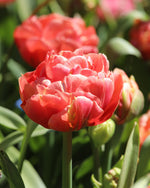
The Tulip Copper Image is a rare and eye-catching tulip that brings warm, glowing tones into the spring garden. Its large, sculpted blooms open in rich shades of copper, apricot, and soft orange, often shifting slightly in color as they mature in the sun. The petals have a smooth, elegant shape with a subtle shimmer, giving each flower a luxurious appearance. Perfect for borders, flower beds, and decorative pots, this tulip adds depth and warmth to any planting design. Tulip Copper Image is also an excellent choice for cutting gardens, where its long stems and bold color truly stand out in floral arrangements.
-
Striking colors: copper, apricot, and warm orange tones that shift beautifully in sunlight
-
Elegant flower shape: large, smooth petals with a refined and modern look
-
Strong stems: sturdy growth that holds blooms upright even in spring weather
-
Garden versatility: ideal for borders, pots, and cut flower arrangements
-
Seasonal highlight: creates a warm focal point in mid to late spring displays
-
Easy impact: delivers a premium look with minimal effort
How to plant and take care of Tulip Copper Image:
-
Planting depth: plant bulbs 10–15 cm deep in well-drained soil during autumn
-
Location choice: choose a sunny or lightly shaded spot for best flowering results
-
Soil preparation: ensure loose, fertile soil that allows excess water to drain easily
-
Watering routine: water after planting and lightly during dry periods in spring
-
Cold period: allow bulbs a natural winter chill to support strong blooming in spring
-
After flowering care: remove spent blooms but let foliage die back naturally for energy storage
FAQs
The best fertilizer for Copper Image Tulip bulbs is a balanced, low-nitrogen bulb fertilizer that supports strong root development and vibrant blooms without forcing excessive leafy growth. A common recommendation is a granular fertilizer with an NPK ratio such as 5-10-10 or 10-10-10, applied at planting time in the fall and again lightly in early spring as shoots emerge. Tulips generally prefer nutrients that promote flowering and bulb strength rather than leafy growth, which is why lower nitrogen formulas work best.
In addition to commercial fertilizers, bone meal and well-aged compost are excellent organic options. Bone meal provides phosphorus, which is essential for root establishment and flower production. Compost improves soil structure and long-term nutrient availability. It’s important to avoid over-fertilizing, as too much nitrogen can lead to weak stems and fewer blooms. For Copper Image Tulips specifically, feeding them at the right time and in moderation helps ensure strong, colorful flowers and healthy bulbs that return well each season.
Copper Image Tulip bulbs may fail to bloom for several common reasons related to growing conditions, bulb quality, or care practices. One of the most frequent causes is insufficient cold exposure (chilling period). Tulips require a cold winter dormancy to trigger flowering, and without it, they may produce only leaves. Another major issue is planting depth—bulbs planted too shallow or too deep can struggle to develop properly.
Bulb overcrowding is another factor. When tulips are left undivided for years, they multiply underground, competing for nutrients and space, which reduces flowering. Poor soil drainage can also lead to bulb rot or weak growth, preventing blooms altogether. Additionally, if the foliage was cut too early in previous seasons, the bulbs may not have stored enough energy for the next bloom cycle. Excess nitrogen fertilizer can also cause lush leaves but no flowers. Finally, using old or weakened bulbs is a common reason for non-blooming tulips. Healthy blooming depends on proper planting conditions, nutrition, and allowing foliage to fully mature after flowering.
If you don’t “pinch” or more accurately deadhead Copper Image Tulips after flowering, the plant will naturally shift its energy into producing seeds instead of strengthening the bulb. This means the tulip spends valuable nutrients on seed development, which can reduce bulb energy storage for the next season. As a result, the following year you may notice fewer blooms, smaller flowers, or weaker stems.
Deadheading tulips by removing spent flower heads prevents seed formation and helps the plant redirect its energy back into the bulb. However, it’s important to note that you should only remove the flower head, not the leaves. The foliage must remain intact until it turns yellow and dies back naturally, as it is essential for photosynthesis and energy storage. If you consistently skip deadheading, your Copper Image Tulips may gradually decline in performance over time, especially in terms of bloom size and vigor. Proper post-bloom care ensures stronger, more reliable flowering in future seasons.
To encourage larger blooms on Copper Image Tulips, focus on strong bulb health, proper nutrition, and optimal growing conditions. Start by planting bulbs at the correct depth—generally about 6 to 8 inches deep in well-draining soil. Deep planting helps stabilize stems and supports stronger flower development. Full sun exposure is also essential, as tulips need at least 6 hours of direct sunlight daily to produce larger, more vibrant blooms.
Feeding is another key factor. Use a bulb fertilizer high in phosphorus and potassium (such as 5-10-10) in fall and early spring to promote flower size rather than leafy growth. After blooming, remove spent flowers to prevent seed formation, which helps redirect energy into the bulb. Allow foliage to fully die back naturally so the bulb can recharge for the next season.
DutchFlowerBulbs
DutchFlowerBulbs ships Premium Quality Flower Bulbs straight from Holland to your garden!
Customer Support