
-
Fall Planted Bulbs
-
Daffodils
-
Iris
-
Tulips
PerennialsGardening InformationSpring Planted Bulbs (out of season)-
Begonias
-
Dahlias
-
Gladiolus
-
Lilies
- Log in
-

Concertina
$7.99
Unit price / perSign up to be the first to know when it's back in stock.
Shipping Starts: Shipping started!
Quantity per Package: 1 Big Tuber
Light Required: Full Sun / Partial Shade
Height: 24-26"
Blooming Period: May - Jun
Bulb size: I (Top Size)
Planting Distance: 18"
Planting Depth: 1"
Hardness Zone:
Deer Resistant: Yes
Minimum Bulbs for Effect: 1-2
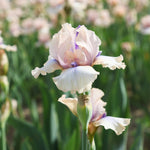
The Bearded Iris Concertina is a striking garden plant known for its soft pastel tones and elegant, ruffled flowers. This beautiful iris variety brings a refined, romantic feel to borders and flower beds while offering strong structure and reliable seasonal blooms. Its unique color play makes it a standout choice for gardeners looking to add gentle charm and long-lasting visual impact. Easy to grow and highly decorative, Bearded Iris Concertina is perfect for both modern and classic garden designs.
- Soft pastel blooms: delicate flowers with layered petals in soothing, elegant shades such as pink, white, and purple.
- Seasonal return: dependable perennial that flowers beautifully year after year
- Decorative value: ideal for borders, mixed beds, and cutting gardens
- Easy cultivation: beginner-friendly and adaptable to many garden settings
- Wildlife appeal: attracts bees and other beneficial pollinators
- Architectural foliage: upright leaves add structure even outside blooming season
How to plant and take care of Bearded Iris Concertina:
- Planting position: set rhizomes shallowly with the top slightly visible above soil level
- Light preference: place in full sun for best flowering performance and strong growth
- Soil quality: choose light, well-drained soil to avoid excess moisture around roots
- Water management: water after planting, then only during extended dry periods
- Seasonal upkeep: remove faded flower stems and clear away old leaf material
- Plant renewal: divide clumps every few years to maintain vitality and flowering strength
FAQs
The best place to plant Bearded Iris ‘Concertina’ tubers (technically rhizomes) is in a sunny, well-drained location. These plants thrive when they receive at least 6–8 hours of direct sunlight daily, which helps produce strong blooms and prevents disease. Choose a spot with loose, sandy or loamy soil, as heavy clay can trap moisture and lead to rot. Slightly raised beds or sloped areas are ideal because they improve drainage naturally. Avoid low-lying areas where water collects after rain. Plant the rhizomes so that the top is slightly exposed to the sun, as burying them too deeply can inhibit flowering. Good air circulation is also important, so avoid overcrowded planting areas. Garden borders, rock gardens, or dedicated iris beds are excellent choices for showcasing their ruffled, colorful blooms.
After Bearded Iris ‘Concertina’ finishes flowering, proper aftercare ensures healthy growth and future blooms. First, cut back the spent flower stalks at the base to prevent seed formation, which drains energy from the plant. However, leave the foliage intact, as it continues photosynthesis and stores nutrients in the rhizome. Water lightly if the weather is very dry, but avoid overwatering. Over the summer, inspect the rhizomes for overcrowding—every 3–4 years, they should be divided to maintain vigor. If needed, lift them, trim away old or soft sections, and replant healthy pieces in fresh soil. Remove any yellowing or damaged leaves to reduce disease risk. You can also apply a low-nitrogen fertilizer after blooming to support root development. This post-flowering care helps ensure your irises return stronger and more vibrant in the next season.
To encourage faster and healthier growth of Bearded Iris ‘Concertina’ tubers, focus on optimizing their growing conditions. Start with full sunlight, as insufficient light slows growth significantly. Ensure the soil is well-drained and not overly rich in nitrogen, since too much nitrogen promotes leafy growth instead of root and flower development. Use a balanced or low-nitrogen fertilizer in early spring and again after blooming. Proper spacing is also essential—crowded rhizomes compete for nutrients, so divide them regularly. Water consistently but moderately; irises prefer slightly dry conditions rather than soggy soil. Adding a light layer of mulch can help regulate soil temperature, but keep it away from the rhizome itself. Finally, remove weeds promptly so they don’t compete for resources. With these steps, your irises will establish faster and produce stronger, more abundant blooms.
Yes, deadheading Bearded Iris ‘Concertina’ is recommended, though it’s mainly for plant health and appearance rather than encouraging repeat blooms. Once a flower fades, you can remove it by cutting or snapping it off just below the bloom. This prevents the plant from forming seeds, which would otherwise divert energy away from strengthening the rhizome. After all flowers on a stalk have finished, cut the entire stalk down to the base. However, it’s important to leave the foliage untouched until it naturally yellows later in the season, as it feeds the plant for next year’s blooms. Deadheading also keeps your garden looking tidy and reduces the risk of pests or fungal issues developing on decaying flowers. While it won’t trigger a second flowering cycle, it helps maintain overall plant vigor and ensures a better display in the following year.
DutchFlowerBulbs
DutchFlowerBulbs ships Premium Quality Flower Bulbs straight from Holland to your garden!
Customer Support