
-
Fall Planted Bulbs
-
Daffodils
-
Iris
-
Tulips
PerennialsGardening InformationSpring Planted Bulbs (out of season)-
Begonias
-
Dahlias
-
Gladiolus
-
Lilies
- Log in
-

City Light
$7.99
Unit price / perSign up to be the first to know when it's back in stock.
Shipping Starts: Shipping started!
Quantity per Package: 1 Big Tuber
Light Required: Full Sun / Partial Shade
Height: 24-26"
Blooming Period: May - Jun
Bulb size: I (Top Size)
Planting Distance: 18"
Planting Depth: 1"
Hardness Zone:
Deer Resistant: Yes
Minimum Bulbs for Effect: 1-2
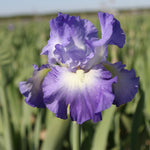
The Bearded Iris City Light is a stunning perennial that brings bright elegance and modern charm to any garden. Known for its soft yet luminous purple flower tones and white heart, this bearded iris creates a fresh and uplifting look in borders, flower beds, and cutting gardens. Its strong growth and reliable blooming make it a favorite for gardeners who want long-lasting beauty with minimal effort. Bearded Iris City Light stands out with its refined shape and graceful presence, adding structure and seasonal color year after year.
- Elegant blooms: soft, light-toned flowers that create a bright and airy garden look
- Reliable perennial: returns every year with stronger and more abundant flowering
- Garden versatility: perfect for borders, flower beds, and fresh cut arrangements
- Low maintenance: easy to grow and suitable for many soil types and gardens
- Pollinator friendly: attracts bees and butterflies for a lively garden ecosystem
- Strong structure: upright foliage adds form and texture even outside flowering season
How to plant and take care of Bearded Iris City Light:
- Planting depth: place rhizomes at soil level with the top slightly exposed to prevent rot
- Sun requirements: plant in a sunny spot with at least 6 hours of direct sunlight daily
- Soil conditions: use well-draining soil to support healthy root development and prevent waterlogging
- Watering routine: water lightly after planting, then only when the soil is dry
- Ongoing care: remove faded flowers and trim damaged leaves to encourage strong growth
- Maintenance cycle: divide rhizomes every 3–4 years to maintain vigorous blooming
FAQs
Bearded Iris ‘City Light’ plants, like other bearded iris varieties, are considered toxic to pets if any part of the rhizome (often mistakenly called a tuber) is ingested. The highest concentration of irritating compounds is found in the underground rhizomes. When dogs or cats chew or eat these parts, they may experience gastrointestinal upset. Common symptoms include drooling, vomiting, diarrhea, loss of appetite, and general stomach discomfort. While iris poisoning is usually not life-threatening, it can still cause significant distress and may require veterinary attention if symptoms are severe or persistent. The leaves and flowers are less toxic than the rhizomes, but ingestion of any part should still be discouraged. For pet-safe gardening, it’s best to plant Bearded Iris ‘City Light’ in areas where pets do not dig or chew plants, such as fenced flower beds or raised borders.
Bearded Iris ‘City Light’ should be planted very shallow compared to most garden bulbs, because they grow from rhizomes rather than true tubers. The correct planting depth is typically just enough to anchor the rhizome while leaving the top portion exposed or barely covered with soil. Ideally, you should set the rhizome so that its upper surface sits at or just above soil level, with roots spread underneath and gently covered. Planting too deeply is one of the most common mistakes and can lead to poor flowering, rot, or even plant death. In most garden conditions, a depth of around 2–3 cm of soil over the roots is sufficient, while the rhizome itself remains visible. Good drainage is essential, so planting in raised beds or well-drained soil is highly recommended for optimal growth and blooming performance of Bearded Iris ‘City Light’.
Deadheading Bearded Iris ‘City Light’—removing spent blooms—can improve the plant’s appearance and overall health, but it does not necessarily trigger a large second flush of flowers in the same season. Bearded irises typically bloom once per year in late spring to early summer, and most varieties, including ‘City Light’, are not true repeat bloomers. However, deadheading is still beneficial because it prevents the plant from putting energy into seed production. Instead, that energy is redirected toward strengthening the rhizome for next year’s growth and improving overall plant vigor. Removing faded flowers also helps reduce the risk of disease and keeps the garden looking tidy. While it may not increase the number of blooms immediately, consistent deadheading contributes to healthier plants, which can result in stronger and more reliable flowering in the following seasons.
When planting Bearded Iris ‘City Light’ near other bulbs or perennial plants, proper spacing is important for healthy growth, airflow, and disease prevention. A good rule of thumb is to space each iris rhizome about 30 to 45 cm (12 to 18 inches) apart from other plants. This spacing allows enough room for the rhizomes to expand over time, as bearded iris clumps gradually grow larger each year. It also helps ensure adequate sunlight reaches the foliage and reduces the risk of fungal diseases such as rhizome rot, which can occur in overcrowded or damp conditions. When mixing with spring-flowering bulbs like tulips or daffodils, make sure the iris is not planted directly on top of them, as irises prefer more open, slightly elevated positions. Good spacing also improves air circulation, which is especially important for maintaining strong, healthy blooms in Bearded Iris ‘City Light’.
DutchFlowerBulbs
DutchFlowerBulbs ships Premium Quality Flower Bulbs straight from Holland to your garden!
Customer Support