
-
Fall Planted Bulbs
-
Daffodils
-
Iris
-
Tulips
PerennialsGardening InformationSpring Planted Bulbs (out of season)-
Begonias
-
Canna Lilies
-
Dahlias
-
Gladiolus
-
Lilies
- Log in
-

Florentine Silk
$7.99
Unit price / perSign up to be the first to know when it's back in stock.
Shipping Starts: The 2nd week of October '26
Quantity per Package: 1 Big Tuber
Light Required: Full Sun / Partial Shade
Height: 24-26"
Blooming Period: May - Jun
Bulb size: I (Top Size)
Planting Distance: 18"
Planting Depth: 1"
Hardness Zone:
Deer Resistant: Yes
Minimum Bulbs for Effect: 1-2
About Florentine Silk
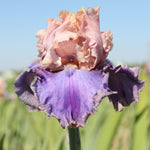
The Bearded Iris Florentine Silk is a luxurious and elegant perennial that adds soft, romantic charm to any garden. It has unique colors that are hard to describe, such as: purple, soft pink, almost looking lilac. It performs beautifully in borders, flower beds, and cutting gardens, bringing height, structure, and long-lasting beauty. Easy to grow and reliable, Bearded Iris Florentine Silk is a perfect choice for gardeners who want a sophisticated bloom with strong seasonal impact.
- Elegant blooms: silky petals with soft, refined tones that create a luxurious garden look
- Reliable perennial: returns each year with stronger and more abundant flowering
- Garden versatility: ideal for borders, beds, and fresh floral arrangements
- Low maintenance: easy to grow and suitable for many garden conditions
- Pollinator friendly: attracts bees and butterflies to support a healthy garden ecosystem
- Strong structure: upright foliage provides visual interest even after blooming
- Is a rebloomer (but depending on the location and climate)
How to plant and take care of Bearded Iris Florentine Silk:
- Planting depth: place rhizomes at soil level with the top slightly exposed to prevent rot
- Sunlight needs: choose a full sun location with at least six hours of direct light daily
- Soil conditions: use well-draining soil to ensure healthy root development and prevent waterlogging
- Watering routine: water lightly after planting, then only when the soil becomes dry
- Ongoing care: remove spent flower stems and keep foliage clean to encourage strong growth
- Dividing plants: divide rhizomes every 3–4 years to maintain vigor and consistent flowering
FAQs
The best fertilizer for Bearded Iris ‘Florentine Silk’ (which actually grows from rhizomes rather than true tubers) is a low-nitrogen, high-phosphorus and potassium fertilizer. A balanced but bloom-leaning formula such as 5-10-10 or 6-10-10 works very well because it encourages strong root development and flower production without pushing excessive leaf growth. Too much nitrogen leads to lush green foliage but very few blooms, which is a common mistake with irises. In early spring, apply a light layer of fertilizer around the rhizomes, not directly on them, and water it in gently. You can also enrich the soil with compost or well-rotted manure to improve long-term soil structure. After flowering, a light feeding can help strengthen the plant for the next season. Avoid heavy feeding in late summer or fall, as this can stress the plant and reduce winter hardiness.
If your Bearded Iris ‘Florentine Silk’ is not blooming, there are several common causes, and most are related to growing conditions rather than plant health. The number one reason is insufficient sunlight—irises need at least 6 hours of direct sun daily to produce strong blooms. Another major issue is planting depth; rhizomes that are buried too deeply will grow leaves but fail to flower. Overcrowding is also a frequent problem, as iris clumps become congested every 3–4 years and need dividing to restore blooming vigor. Excess nitrogen fertilizer can also prevent flowering by encouraging foliage instead of flower spikes. Additionally, poor drainage or overly wet soil can cause rhizome rot, which weakens blooming potential. Sometimes, newly planted irises simply need a season to establish before flowering. Checking and correcting these conditions usually restores healthy bloom cycles.
Bearded Iris ‘Florentine Silk’ does not require traditional “pinching” like some flowering annuals, but maintenance such as deadheading spent blooms and cutting back flower stalks can influence plant energy. If you do not remove faded flowers, the plant may begin producing seed pods. This diverts energy away from rhizome development and future flowering, which can slightly reduce bloom performance in the following season. However, leaving seed pods does not usually harm the plant significantly—it mainly affects vigor and long-term flower production rather than survival. Unlike many garden plants, irises do not benefit from pinching back foliage, as their leaves are essential for photosynthesis and storing energy in the rhizome. The key maintenance practice is instead to remove spent flower stalks down to the base after blooming and keep foliage healthy until it naturally dies back in autumn.
To encourage larger, more impressive blooms on Bearded Iris ‘Florentine Silk’, focus on optimizing sunlight, soil health, and plant spacing. Start by ensuring the plants receive full sun for most of the day, as shade significantly reduces flower size and quality. Next, make sure the rhizomes are planted correctly—partially exposed at the soil surface rather than buried, which helps them absorb warmth and energy efficiently. Dividing clumps every 3–4 years is essential because overcrowding leads to smaller blooms. Feeding with a low-nitrogen, bloom-boosting fertilizer in early spring helps support strong flower development. Consistent but not excessive watering is also important, especially during dry periods before blooming. Removing weeds and reducing competition for nutrients will further enhance bloom size. Finally, after flowering, keep the foliage healthy so the plant can store enough energy for bigger blooms the following season.
DutchFlowerBulbs
DutchFlowerBulbs ships Premium Quality Flower Bulbs straight from Holland to your garden!
Customer Support