
Explore the Perennial collection
Sort by:


About Patty’s Plum
Unleash the captivating allure of Oriental Poppies Patty's Plum in your garden. With its rich plum-colored petals and elegant appearance, this enchanting perennial is sure to steal the spotlight.
- Striking plum-colored petals that command attention
- Sturdy and long-lasting blooms for extended beauty
- Low maintenance, making it perfect for busy gardeners
- Ideal for borders, beds, or containers to add a touch of elegance
How to plant and take care of Patty's Plum
- Choose a sunny location with well-drained soil
- Dig a hole twice the size of the plant's root ball
- Place the plant in the hole and backfill with soil, firming gently
- Water thoroughly after planting and maintain moderate watering
- Apply a layer of mulch around the base to conserve moisture
- Deadhead spent flowers to encourage new blooms
- Divide the plant every few years to maintain vigor

About Amethyst
Astilbe Amethyst is a stunning perennial plant that adds a pop of color to any garden. Its lilac-purple blooms are sure to draw attention and make a statement in any landscape.
- Perfect for adding height and color to a shady garden
- Blooms in late spring to early summer
- Deep purple blooms on tall, slender stems
- Low maintenance and easy to care for
- Grows up to a height of 30-36'' tall
- For sure a real eyecatcher in any Summer garden
How to care for Amethyst
- Water your Astilbe Amethyst regularly, keeping the soil consistently moist but not waterlogged. This is particularly important during the growing season and hot, dry spells.
- Apply a slow-release, balanced fertilizer in spring to promote healthy growth and encourage stunning blooms.
- Deadhead spent flowers to maintain a neat appearance and potentially encourage reblooming.
- Protect the plants from slugs and snails, which may be attracted to their lush foliage.
- In colder regions, apply a layer of mulch around the plants in late fall to protect the roots from freezing temperatures.
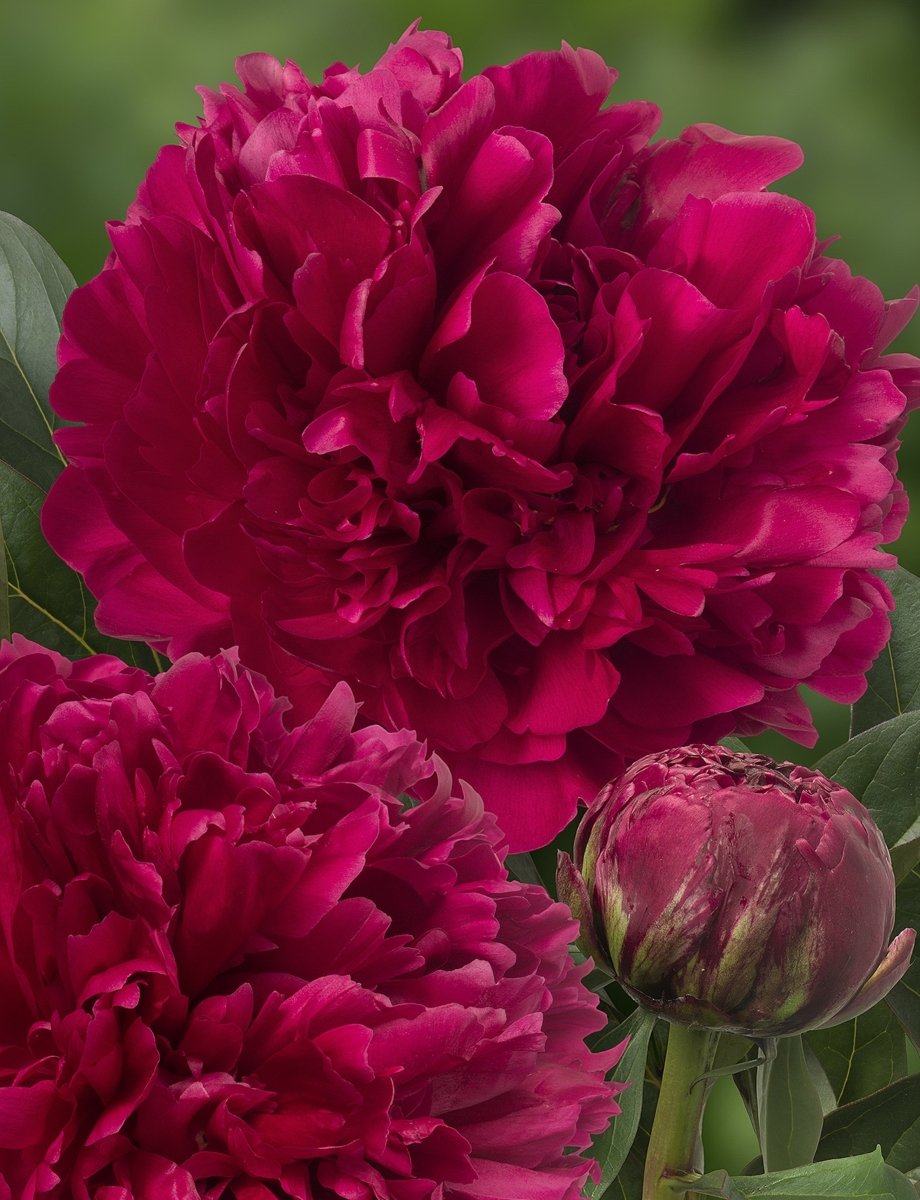
About Red Magic
Add a pop of lively red to your garden with the Peony Red Magic! This charming flower effortlessly mixes simple beauty with a touch of class, making your garden stand out. Watch as your outdoor space transforms with the enchanting allure of Red Magic. Peonies are known for longevity and beauty. Red Magic grows to a height of 32-36’’.
- Pretty color: Red Magic boasts a rich, intense red hue, creating a stunning focal point in any garden.
- Sturdy stems: robust stems ensure resilience, preventing drooping even in adverse weather conditions.
- Lush petals: luxurious, layered petals form a lush and opulent flower head.
- Generous bloom size: with a substantial bloom size, Red Magic commands attention and adds a touch of opulence to your landscape.
How to plant and take care of Peony Red Magic
- Planting depth: place the bulb 1-2 inches below the soil surface.
- Sun exposure: optimal growth in well-drained soil with full sun exposure.
- Watering: keep soil consistently moist but avoid waterlogging.
- Supportive measures: provide stakes for support as the flower matures.
- Winter care: apply a layer of mulch in winter to protect the plant from frost.


About Flamenco
Add a touch of fiery elegance to your garden with Oriental Poppies Flamenco. These enchanting flowers will mesmerize you with their fiery red petals and dark centers. With their bold and dramatic presence, Oriental Poppies Flamenco will be the star of your floral display.
- Fiery red petals and contrasting dark centers
- Bold and dramatic appearance
- Adds vibrant color to your garden
- Eye-catching and captivating
How to plant and take care of Flamenco
- Choose a sunny location with well-drained soil
- Plant the poppy seeds in early spring or late fall
- Sow the seeds directly into the soil, about 1/8 inch deep
- Water lightly and keep the soil moist until germination
- Once established, water sparingly as Oriental Poppies are drought-tolerant
- Deadhead spent flowers to promote continuous blooming
- Divide the plants every 2-3 years to maintain vigor
- Protect from excessive moisture and provide support for taller varieties

About Anastasia
The Lily bulb Anastasia brings an unmistakable flair of elegance to your garden. With its tall and slender stems, the blooms of its fragrant flowers will illuminate your garden in the summer months.
- Large, luscious blooms in shades of pink, and white
- Sturdy stems and foliage
- Blooms continuously until the first frost
- Highly scented
- Can reach up to 7-9 ft. tall
- Each stem produces up to 25 flowers
- Anastasia is a crossing of oriental and trumpet Lilium
How to care for Anastasia?
- Before planting, choose a sunny spot with well-draining, moist soil.
- Dig a hole large enough to accommodate the rhizome, and sprinkle some slow-release fertilizer into the bottom.
- Place the rhizome in the hole with the pointed part facing upwards.
- Cover it with soil and press it down.
- Water your lily well and it should be ready to go.
- Be sure to water them regularly and keep the soil moist, but not soggy.
- Deadhead spent flowers to encourage more blooms.
About Bowl of Cream
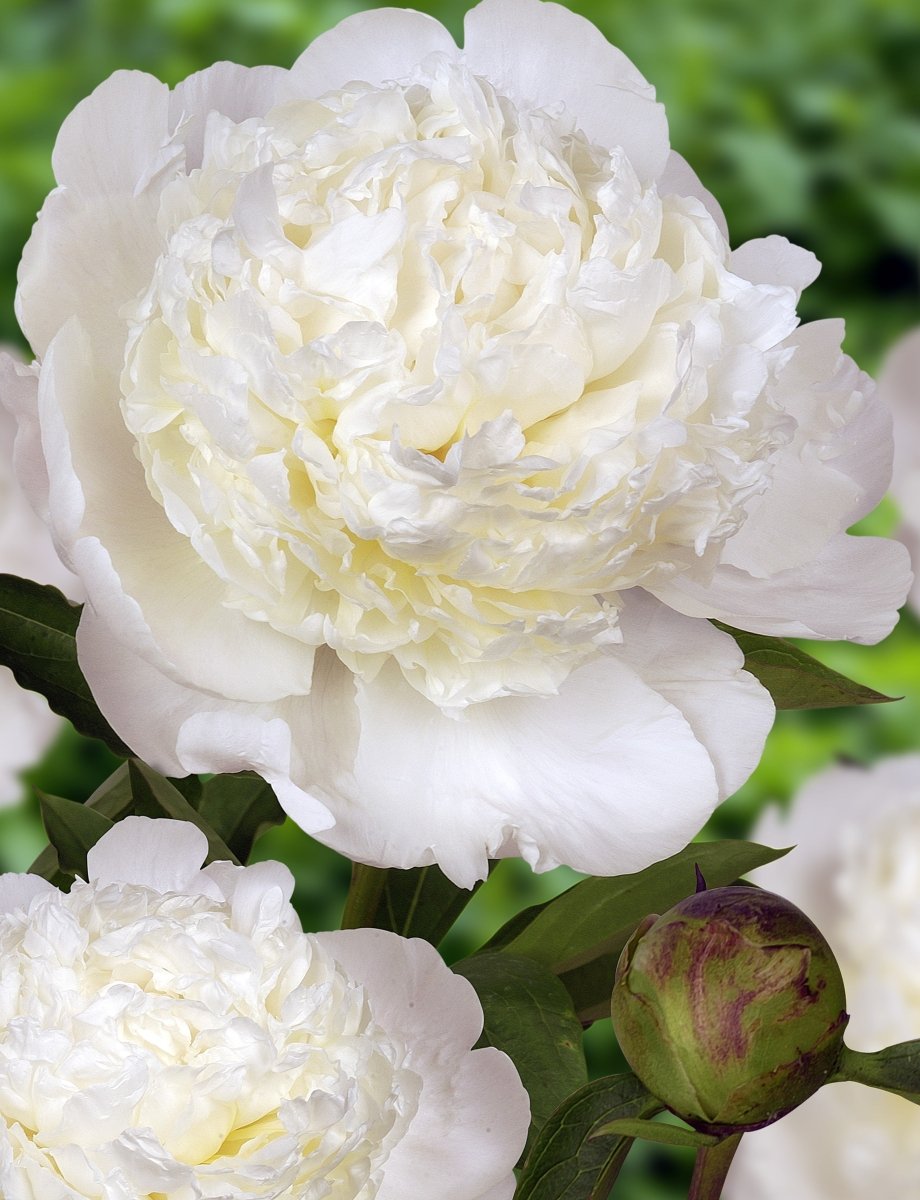
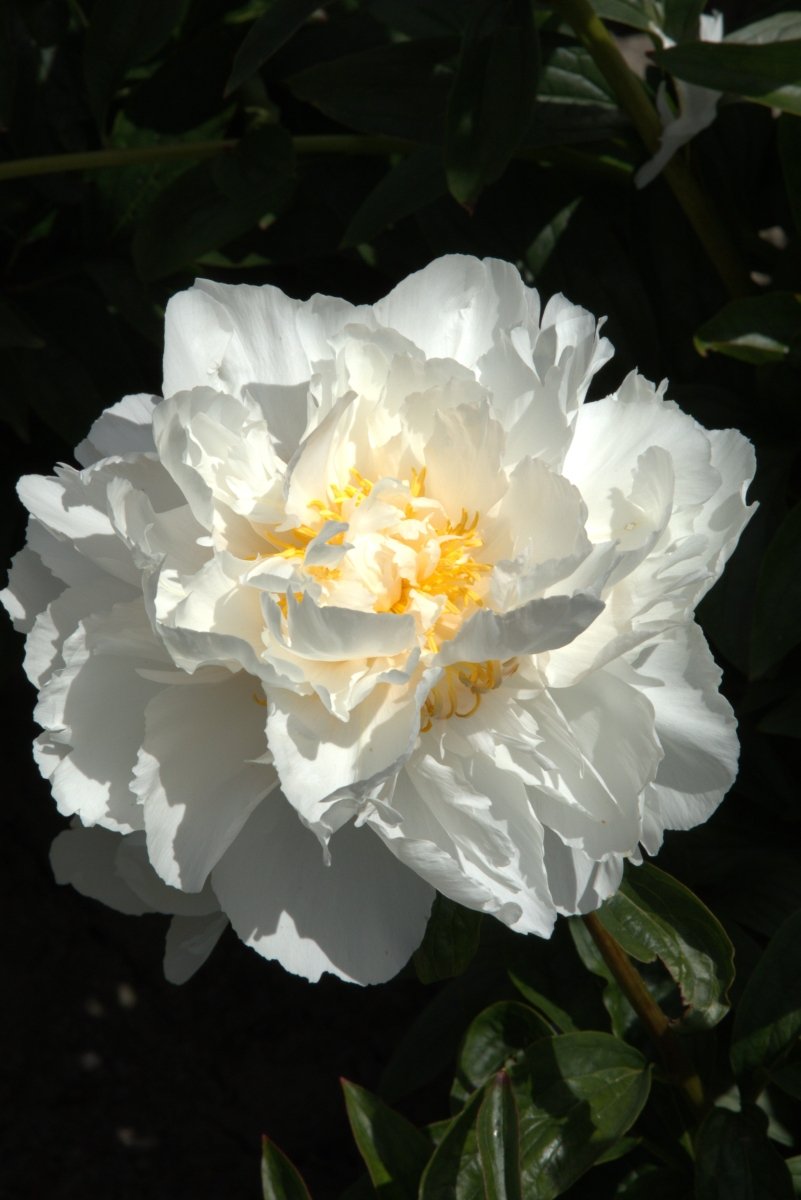
The Bowl of Cream peony is a lovely plant that comes back each year. It has pretty white flowers that make your garden look really nice. The petals are soft and there are a lot of them. You can put it at the edge of your garden or cut the flowers for bouquets. What’s more to love about Bowl of Cream?
- Pure elegance: pristine white blooms for a sophisticated garden.
- Lush petals: abundant, layered petals add depth and charm.
- Versatile: perfect for borders or stunning floral arrangements.
- Low maintenance: hardy and resilient, suitable for various climates.
- Height: 32-36’’
How to plant and take care of Peony Bowl of Cream
- Planting depth: place the bulb 1-2 inches below the soil surface.
- Sunlight: requires full sun for optimal growth.
- Watering: keep soil consistently moist, not waterlogged.
- Fertilization: apply a balanced fertilizer in spring.
- Winter Care: mulch to protect during colder months.
About Apricot Whisper
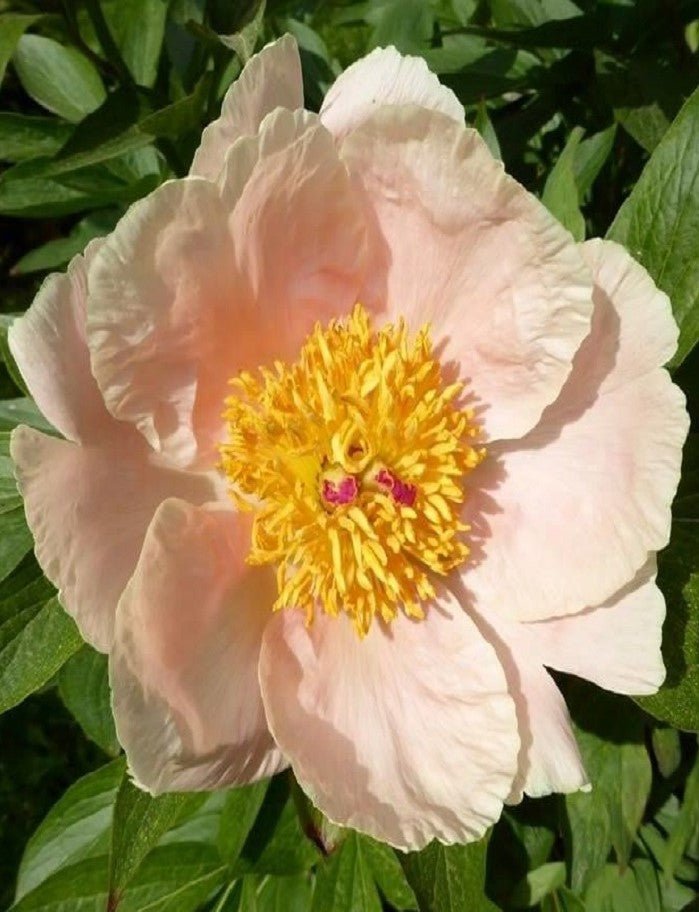
Peony Apricot Whisper brings a touch of elegance to your garden. Its lush, apricot-hued blooms, with delicate whispers of lighter tones, add a subtle charm to any landscape. Ideal for both novices and seasoned gardeners, this peony variety is a must-have. It can get to a height of 32 to 40’’, which makes Apricot Whisper a real showstopper.
- Subtle apricot hues: beautiful apricot tones with delicate whispers of lighter shades.
- Robust growth: hardy and vigorous growth for a resilient garden addition.
- Fragrant blooms: enjoy the sweet fragrance that wafts from the stunning blossoms.
- Long blooming season: extended flowering period for prolonged garden beauty.
- Low maintenance: easy to care for, making it perfect for all gardening skill levels.
How to plant and take care of Peony Apricot Whisper
- Location: choose a well-drained, sunny spot with partial shade.
- Soil: opt for rich, loamy soil with good drainage.
- Planting depth: plant the bulb with the eyes facing upward at a depth of 1-2 inches.
- Watering: keep the soil consistently moist, especially during dry spells.
- Mulching: apply a layer of mulch to retain moisture and suppress weeds.
- Support: provide support for the stems to prevent breakage from heavy blooms.
- Fertilization: feed with a balanced fertilizer in spring for optimal growth.
- Pruning: trim back faded blooms to encourage continuous flowering.


About Lady Alice
The Lily Lady Alice is a beautiful and unique flower that will add a touch of elegance to any garden. This lily is known for its medium-sized, white flowers with an orange broad striped- center. It is a hardy plant that is easy to care for, making it a great choice for beginners and experienced gardeners alike.
- Medium-sized, white flowers with orange and orange speckles
- Easy to care for
- Hardy and long-lasting
- Great for beginners and experienced gardeners
- Produces a wonderful fragrance
How to care for Lady Alice
- To plant the Lily Lady Alice, simply dig a hole in well-drained soil.
- Place the bulb in the hole with the pointy end facing up.
- Cover with soil and water well.
- The lily will begin to grow in the spring and will bloom in the summer.
- Make sure to keep the soil consistently moist and fertilize regularly.
- Deadhead the flowers as they fade to encourage more blooms.
About Netty’s Pride
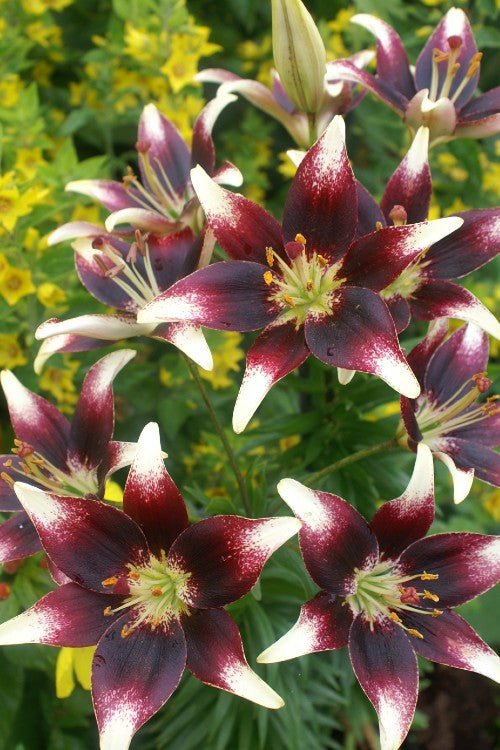
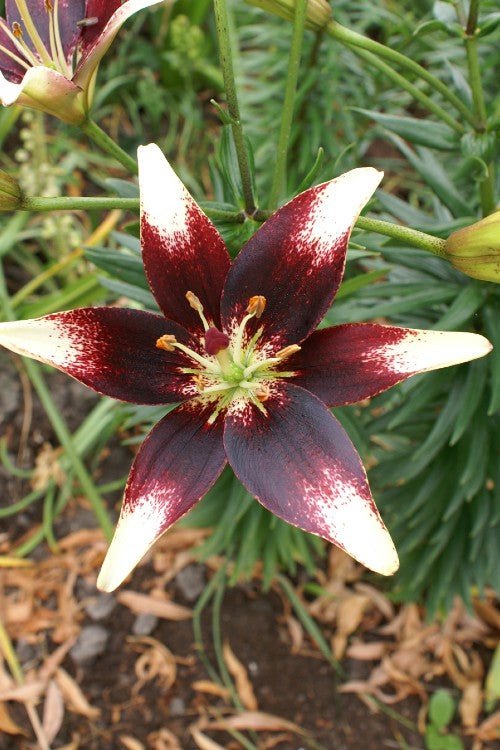
Lily Netty's Pride is a stunning LLily variety that is sure to add a touch of elegance to any garden. This beautiful flower is known for its large, trumpet-shaped blooms that come in a variety of colors, including maroon, cream, and green center.
- Easy to grow and maintain: Lily Netty's Pride is a hardy plant that is easy to care for, making it a great option for both experienced and novice gardeners.
- Long-lasting blooms: these lilies will bloom for several weeks, providing a long-lasting display of color in your garden.
- Versatile: Lily Netty's Pride can be planted in a variety of settings, including borders, beds, and pots.
- Low maintenance: once established, these lilies require very little maintenance, making them a great option for busy gardeners.
- Grows to a height of 40 inches with flowers of 5" in diameter
How to care for Netty’s Pride
- Pick a sunny spot with well-drained soil
- Simply dig a hole that is slightly larger than the bulb and plant it at a depth of about 6 inches.
- Water well and keep the soil consistently moist until the plant is established.
- Fertilize every 2-4 weeks during the growing season.
- Once established, Lily Netty's Pride requires very little maintenance, making it a great option for busy gardeners.


About Paradiso
Indulge in the captivating beauty of Oriental Poppies Paradiso, a floral masterpiece that will enchant your garden with its vibrant colors and graceful petals. Bursting with elegance and charm, these poppies will surely be the centerpiece of your outdoor oasis.
- Brilliant hues: Revel in a stunning salmon color.
- Striking petals: Delicate, ruffled petals create a dramatic display, adding a touch of elegance to your garden.
- Robust growth: These poppies boast strong stems and abundant foliage, ensuring a resilient and long-lasting plant.
How to plant and take care of Paradiso
- Choose a sunny location with well-drained soil
- Dig a hole twice as wide and deep as the root ball
- Place the plant in the hole, ensuring the crown is level with the soil surface
- Backfill the hole and gently firm the soil around the plant
- Water thoroughly after planting and keep the soil consistently moist
- Apply a balanced fertilizer during the growing season
- Remove spent flowers to encourage continuous blooming
- Protect from extreme heat and frost
About Peony Sorbet
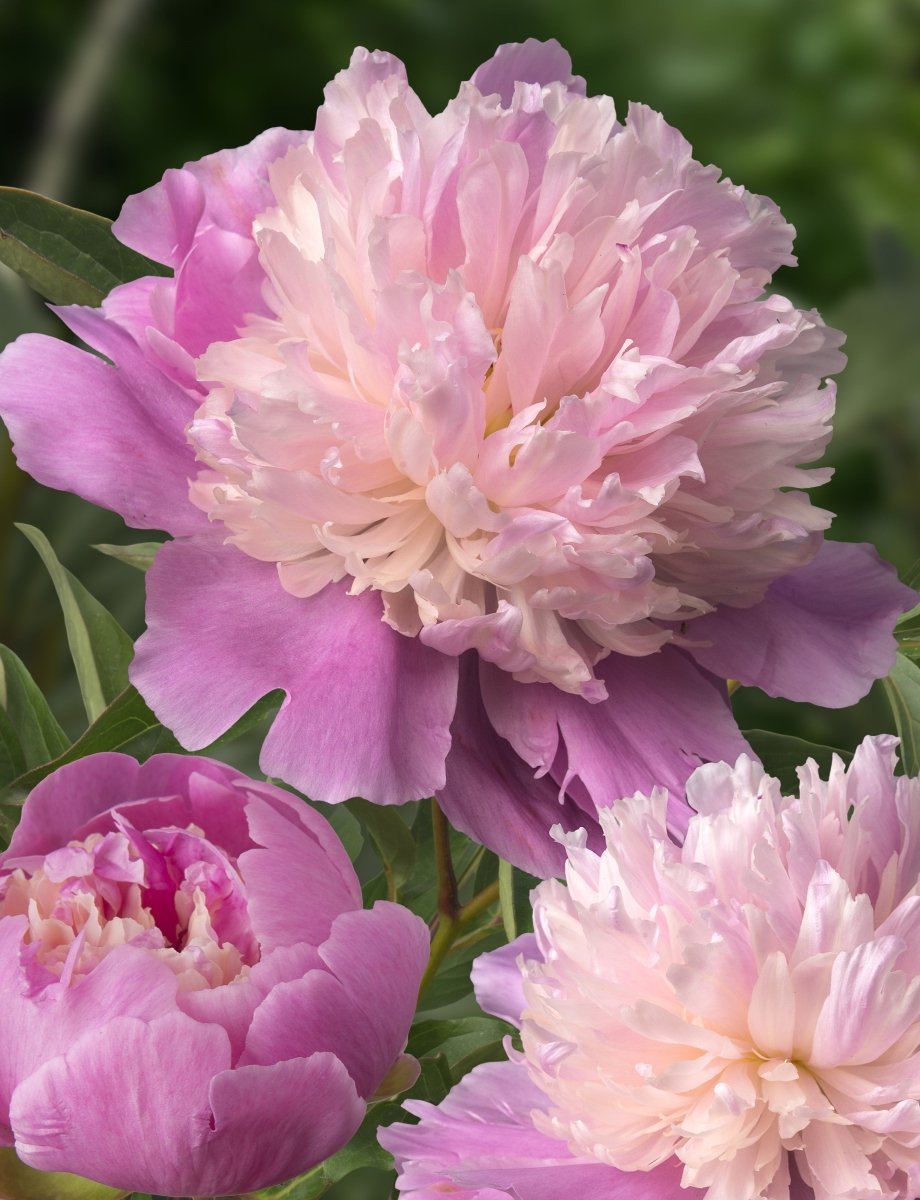
Add a splash of vibrant colors to your garden with the Peony Sorbet. This amazing flower brings a mix of pretty pinks, soft whites, and gentle yellows. It smells really nice too! Perfect for any garden, big or small. Let's dive into why Peony Sorbet is awesome:
- Color palette: picture a mix of pastel pinks, creamy whites, and soft yellows - that's Peony Sorbet!
- Smells lovely: the flowers are not just pretty; they also have a sweet fragrance.
- Stands tall: strong stems make sure your blooms don't flop over.
- Easy maintenance: even if you're not a garden pro, you can keep this flower happy.
How to plant and take care of Peony Sorbet
- Find a sunny spot with good soil.
- Dig a hole, make it twice as big as the bulb.
- Put the bulb in with the pointy side up.
- Cover it with soil and give it a good drink.
- Water it regularly so the soil stays just right.
- Feed it with balanced plant food in the spring.
- Help it stand tall as it grows.
- Take off the old flowers to keep the new ones coming.
- Put some mulch around it to keep the soil happy.


About Fata Morgana
Discover the Lily Fata Morgana, a remarkable flower with stunning colors and long-lasting blooms:
- Beautiful, vibrant blooms in shades of yellow
- Flowering multiple times a season
- Long-lasting blooms
- Easily grown in the garden or in a pot
- The Lily Fata Morgana is the perfect choice for any garden or indoor space.
How to care for Fata Morgana
- Plant bulbs in well-drained soil in a sunny location
- Water regularly, but do not over-water
- Deadhead spent blooms to encourage new growth
- Apply a balanced fertilizer every two to four weeks during the growing season
- Allow the foliage to die back naturally before cutting back

About Anouska
Lily Anouska is a gorgeous Roselily Lily. Roselily Lilies are known for their double petals, which makes Anouska unique and a showstopper in your garden. The edges are pink, fading into white in the middle. They have a subtle, sweet scent, but not so strong as the Oriental Lilies. Anouska is an elegant looking Lily, because of its color and beautiful double petals.
- Classy colors: Lily Anouska showcases a stunning palette, blending soft pinks with pristine whites.
- Fragrance: enjoy a garden filled with a subtle, sweet fragrance that captivates the senses.
- Adaptable: thrives in various soil types, making it an ideal choice for diverse garden environments.
- Long bloom time: enjoy the extended flowering period, ensuring a vibrant display throughout the season.
- Low maintenance: eequires minimal care, making it perfect for both novice and experienced gardeners.
How to plant and take care of Lily Anouska
- Plant bulbs in well-drained soil during the spring, ensuring they receive ample sunlight.
- Water consistently, keeping the soil moist but not waterlogged.
- Apply a balanced fertilizer during the growing season to promote healthy blooms.
- Deadhead spent flowers to encourage continuous blooming.
- Provide support for taller varieties to prevent bending under the weight of blooms.


About First Frost
The Hosta First Frost is a stunning addition to any garden. Its unique blue-green leaves with creamy white edges make it stand out among other hostas. The plant grows to a mature size of up to 18 inches tall and 24 inches wide, making it the perfect size for any garden.
- Unique blue-green leaves with creamy white edges
- Grows to a mature size of 18 inches tall and 24 inches wide
- Perfect for adding contrast to any garden
- Likes to stand in shade with a little bit of morning sun
- A great addition to any (shade) garden
How to care for First Frost?
- Simply choose a location with partial to full shade and well-drained soil.
- Dig a hole slightly larger than the root ball and place the hosta in the hole, making sure to cover the roots with soil.
- Water well and keep the soil consistently moist but not waterlogged.
- Make sure to fertilize it once a month during the growing season.
- Also, keep an eye out for slugs and snails and remove them promptly.
- In the fall, you can cut the leaves down to the ground to make way for new growth the following spring.

About Friso
Introduce a touch of elegance and beauty to your garden with our Lily Friso. These stunning flowers are the perfect addition to any garden, with their vibrant colors and sweet fragrance.
- Vibrant colors: lilies Friso come in a variety of colors, including pink, purple, and white.
- Sweet fragrance: these lilies are known for their sweet fragrance, making them perfect for planting near patios or walkways.
- Long blooming period: these lilies will bloom for several weeks, providing a long-lasting display of beauty in your garden.
- Can reach up to 7-9 ft tall
- Produces approximately 25 flowers per tall stem
How to care for Friso
- When planting Friso, it is important to make sure they are planted in well-drained soil.
- Also, chose a location that gets full sun to partial shade (at least 6-8 hours of sunlight)
- Water 1-2 times a week and fertilize every 2-4 weeks
- Stake Friso when it’s blooming
- Deadhead spent blooms


About Blue Mammoth
The Hosta Blue Mammoth is a stunning and giant addition to any garden. With its large, blue-green leaves and tall stature, it's sure to make a statement in any landscape. This hardy perennial is perfect for shady areas and is easy to care for.
- Large, blue-green leaves that can grow up to 48 inches wide
- Tall stature, reaching heights of up to 34 inches tall
- Perfect for shady areas in your garden
- Hardy perennial that can be planted in zones 3-8
- Easy to care for and maintain
- This is one of the largest of the blue-leaved hostas
- Does well in light shade with some morning sun
How to care for Blue Mammoth?
- Simply dig a hole that is twice the width of the root ball and just as deep.
- Place the plant in the hole, making sure the crown (the point where the roots meet the leaves) is level with the soil surface.
- Backfill the hole with soil and water well.
- Keep the soil consistently moist and fertilize once a month during the growing season.
- It's also important to keep an eye out for slugs and snails, as they can damage the leaves.

About Picotee
Capture the vibrant beauty of nature with our Oriental Poppies Picotee! These stunning orange, red flowers will add a touch of elegance to any garden or floral arrangement. With their unique picotee edges and rich color palette, these Oriental Poppies are sure to make a statement.
- Exquisite picotee edges for a captivating look
- Vibrant colors that create a striking display
- Hardy and easy to grow
- Ideal for borders, beds, or containers
- Attracts butterflies and pollinators
How to plant and take care of Picotee
- Choose a sunny location with well-drained soil.
- Dig a hole that is slightly larger than the root ball and place the plant in the hole.
- Backfill the hole with soil and gently firm it around the plant.
- Water thoroughly after planting and keep the soil consistently moist but not waterlogged.
- Apply a balanced fertilizer once a month during the growing season.
- Remove faded flowers to encourage continuous blooming.
- Provide support for taller varieties to prevent them from falling over.
- Mulch around the plants to help conserve moisture and suppress weeds.
- In colder climates, apply a layer of mulch in winter to protect the plants.


About Blue Mouse Ears
Introduce your garden to the Hosta Blue Mouse Ears. This great Hosta is a miniature hosta that produces blue-green curled leaves and has lavender Lily-like flowers.
- 8-12" tall and 11" wide
- A unique and compact variety of hosta with blue-green leaves
- Forms small, mouse ear-shaped rosettes
- Ideal for rock gardens, container gardens, and as a border plant
- Grows best in partial shade and well-drained soil
- Low-maintenance plant that is resistant to deer and rabbits
- Blooms in mid-summer
How to care for Blue Mouse Ears?
- Choose a location with partial shade and well-drained soil
- Dig a hole twice the width of the root ball and just as deep
- Plant the root ball so the top of the soil is level with the surrounding soil
- Water the plant well and add a layer of mulch to retain moisture
- Fertilize with a balanced fertilizer in early spring
- Remove any dead or yellow leaves to keep the plant looking its best
- Divide the plant every 3-4 years to encourage healthy growth
FAQs