
How to care for Dahlias? - The ultimate caring guide for Dahlias
Welcome to the ultimate guide for caring for dahlias! Whether you’re new to gardening or already an enthusiast, learning how to care for dahlias is key to keeping them healthy and beautiful. Dahlias are a stunning addition to any garden, with their bold, colorful blooms and unique shapes. In this comprehensive guide, we'll cover everything you need to know to keep your dahlias healthy and thriving, from planting to pruning and everything in between. Whether you're a seasoned gardener or just starting, this guide will give you the knowledge and confidence you need to care for your dahlias and enjoy their beauty for years to come. So let's dive in and learn how to care for dahlias!
What to do with dahlias after blooming time?
First, it's important to deadhead the dahlias. This means removing the spent flowers, which helps the plant redirect its energy to growing new blooms. Be sure to cut the stem just above the first set of healthy leaves.
Next, wait until the first frost hits before digging up the dahlias. Once the foliage turns black, carefully dig up the tubers and shake off any excess soil. Cut the stems back to about 6 inches.
After you've dug up the dahlias, it's time to store them for the winter. Gently clean the tubers with a soft brush and let them dry for a few days in a cool, dry place. Then, pack them in a box or crate filled with peat moss or vermiculite, and store them in a cool, dry location until it's time to plant them again in the spring.
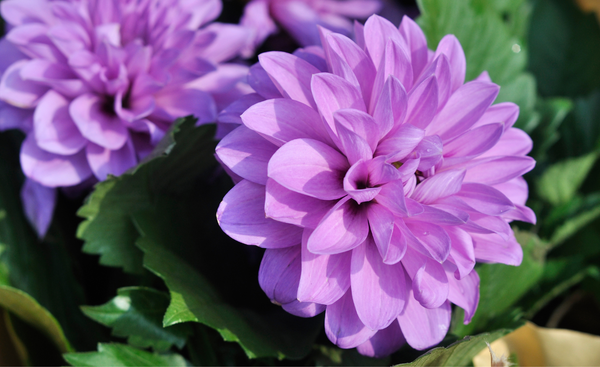
When to dig up dahlia bulbs
Dahlias are tender perennials and absolutely not hardy. If you live in an area with harsh winters, such as USDA hardiness 7 and down, it's recommended to dig up the dahlia bulbs and store them indoors until the following spring. Additionally, make sure to cut back the foliage after the first frost to promote healthy growth the following season.
However, in areas with mild winters, such as USDA zone 8 or higher, you can leave dahlias in the ground over winter as long as the soil doesn't freeze. To protect the tubers, add a layer of mulch to the soil around the base of the plants to insulate them against cold temperatures.
When to plant Dahlia bulbs back in the ground? We’ll guide you through the process in our guides!
What to do with Dahlias in the fall
As autumn approaches and temperatures begin to drop, many gardeners ask what to do with dahlias in the fall. After the first frost blackens the foliage, cut the stems down to about 4 inches above the soil. This allows the plant to focus its energy on the tubers below ground. In regions with freezing winters, it’s best to dig up the tubers and store them indoors to protect them from frost damage. In milder climates, you may be able to leave them in the ground if they’re covered with a thick mulch. Preparing dahlias properly in the fall ensures healthy tubers that are ready to grow again next spring.
How to prepare and store dahlias for winter?
Firstly, before the first frost, you should cut the foliage of your dahlias back to about 4-6 inches from the ground. This will help the plant focus its energy on developing healthy tubers rather than continuing to grow foliage.
After the foliage is cut, gently dig up the tubers, taking care not to damage them. Brush off any excess soil and allow them to dry in a warm, dry location for a few days.
Once the tubers are dry, store them in a cool, dry place, such as a basement or garage. You can use a cardboard box or paper bag filled with peat moss or sawdust to help insulate and protect the tubers. Be sure to label each variety so you can easily identify them in the spring.
Periodically check on the tubers throughout the winter to ensure they remain dry and free of mold. If you notice any signs of rot or damage, remove the affected tubers immediately.
Do dahlias come back every year?
Dahlias can come back every year, but their survival largely depends on factors such as climate, soil conditions, and care. In areas with harsh winters, such as in USDA hardiness zone 7 or down, they may not survive when left in the ground. To ensure the best chances of dahlias coming back each year, it's important to dig them up before the first frost signs show and store them in a dark and dry place such as the basement or garage.
If you leave dahlias in the ground during the winter, they may not survive. The cold weather can cause the tubers to freeze, get damaged or destroyed, and eventually rot away, leading to the death of the plant
In the spring, when the danger of frost has passed, you can plant them back again in the ground and enjoy another summer of these beautiful dahlias.
However, in areas with mild winters, such as in USDA zone 8 or higher, dahlias can be grown as perennials and survive the winter and come back the following year. Just add an extra layer of mulch in the wintertime.
Didn’t they make it through? Buy Dahlia tubers from our webshop! And read our detailed guides on how to take care of your Dahlia tubers.

How do I get my dahlias to bloom bigger?
If you want to grow larger and more vibrant blooms and get them to bloom to their full potential, here are some tips to help you out.
Firstly, dahlias need lots of sunlight to thrive, so make sure you plant them in an area that receives at least six hours of direct sunlight each day. Also, ensure that the soil is well-draining, as dahlias prefer not to be waterlogged.
Secondly, fertilizing your dahlias regularly can help promote bigger blooms. Use a balanced fertilizer every two to four weeks during the growing season, or a high-phosphorus fertilizer to encourage blooming specifically.
Thirdly, pruning your dahlias can also help to produce bigger blooms. As the plant grows, remove the smaller side buds to direct the plant's energy toward the central bud, which will produce the largest flower.
Finally, deadheading your dahlias is essential to encourage continuous blooming throughout the season. As soon as a bloom starts to wilt, remove it from the plant to allow new blooms to develop.
How much water do Dahlias need
A frequent concern is how much water dahlias need. The answer to this question is that dahlias do not need to be watered every day. In fact, overwatering can be harmful to these plants. Make sure to plant dahlias in well-drained soil and when you plant them in a pot or container, make sure the pot or container has drainage holes. The thumb rule is to keep the soil moistened, but not waterlogged. Dahlias do not like wet ‘feet’, otherwise, they’ll rot.
As a thumb rule, you can water them 1-2 times a week. But, this depends on the amount of sunshine it gets and the climate. If you live in a warm area, then you should water it more often. Has it rained the last couple of days or weeks? Then skip the watering for one time.
If you’re not sure when to water your dahlias, feel the top half inch of the soil to see if it is moist or damp. If it is, there is no need for water. If it feels dry, you should water your Dahlias.
It also depends on your climate zone how often you need to water your Dahlias.
How tall should dahlias be before pinching?
One way to encourage the growth of even larger blooms is by pinching back the plants. However, it's important to know how tall dahlias should be before pinching, to avoid stunting their growth.
Pinching is the process of removing the top of the plant, usually when it reaches a certain height. This encourages the plant to grow bushier, with more stems and flowers. In the case of dahlias, it's recommended to wait until the plant is at least 12 to 18 inches tall before pinching it back.
To pinch a dahlia plant, simply use your fingers or pruning shears to cut off the top few inches of the main stem. This will encourage the plant to branch out and produce more stems and flowers. Repeat this process every few weeks, as the plant grows taller, until mid-July or early August. After that, it's best to let the plant focus on producing blooms for the rest of the season.

How tall do dahlias grow and should you stake them?
Dahlias can grow anywhere from 1 to 6 feet tall, depending on the variety. Dwarf varieties typically grow to around 1-2 feet tall, while giant varieties can reach up to 6 feet tall. The height of dahlias is determined by several factors, including variety, growing conditions, and pruning techniques.
Staking dahlias is recommended, especially for taller varieties. Staking helps support the plant's stem and prevents it from falling over or breaking in high winds or heavy rain. There are many ways to stake dahlias, including using bamboo stakes, tomato cages, or metal rods. Gardeners can also use twine or clips to secure the stem to the stake.
In addition to staking, deadheading spent blooms will make the dahlia blooms less heavy.
How to support dahlias?
Dahlias require proper support to keep them upright and healthy. Here are some tips on how to support dahlias:
Staking: the most common method of supporting dahlias is staking. This involves driving a stake into the ground next to the dahlia and tying it to the stake with twine or wire. This will prevent the plant from falling over in strong winds or heavy rain.
Netting: another option is to use netting. This involves placing a mesh or netting around the plant and tying it to stakes. This method works well for larger dahlias or those with multiple stems.
Cages: if you have a large dahlia with multiple stems, a cage may be a better option. This involves placing a wire cage around the plant and tying the stems to the cage with twine.
Pruning: finally, proper pruning can help support dahlias. Removing some of the lower branches and leaves will reduce the weight of the plant and prevent it from toppling over.
What is the best fertilizer for dahlias?
Fertilizing your dahlias properly will help to promote healthy growth, lush foliage, and abundant blooms.
The best fertilizer for dahlias is one that is high in phosphorus and potassium, and low in nitrogen. Nitrogen is essential for foliage growth, but too much nitrogen can result in tall, spindly plants with few blooms. Phosphorus and potassium, on the other hand, are important for root development and flower production.
When choosing a fertilizer for your dahlias, look for one that has an N-P-K ratio of 5-10-10 or 10-20-20. You can use a balanced fertilizer such as 10-10-10 during the initial growth period, but switch to phosphorus and potassium-rich fertilizer when the plants start to produce buds.
Organic fertilizers such as bone meal, fish emulsion, and compost are great options for dahlias as they provide a slow release of nutrients over time. It is important to apply fertilizers evenly around the plants and to water them thoroughly to avoid burning the roots.

How to make homemade fertilizer?
If you're looking to keep your plants healthy without breaking the bank, making your own fertilizer at home is a great option. Not only is it cost-effective, but it's also a great way to reduce waste by repurposing household items. Here's how to make homemade fertilizer in three easy steps.
Step 1: Gather ingredients
You'll need some basic ingredients to make your fertilizer. Start with compost, which is made from decomposed organic matter like food scraps, leaves, and grass clippings. You can also use coffee grounds, eggshells, and banana peels for added nutrients.
Step 2: Mix ingredients
Once you've gathered your ingredients, it's time to mix them together. You can either mix them in a compost bin or a large container. Add water as needed to help the ingredients break down.
Step 3: Apply fertilizer
Once your fertilizer is ready, it's time to apply it to your plants. You can either sprinkle it around the base of the plant or mix it into the soil. Be careful not to over-fertilize, as this can actually harm your plants.
Making your homemade fertilizer is a great way to save money and keep your plants healthy. With just a few simple steps, you can create a nutrient-rich fertilizer that your plants will love.
Fertilizing Dahlias throughout the season
Understanding dahlia fertilizer requirements is essential for success. The question of when to fertilize dahlias often arises, and the best practice is to begin two weeks after planting, continuing every 3–4 weeks during the growing season. If you’re wondering how often to fertilize dahlias, a consistent schedule of monthly feedings will keep them thriving. Many gardeners like to experiment with homemade fertilizer for dahlias, such as diluted compost tea, banana peels, or fish emulsion, which can enrich the soil naturally. By regularly fertilizing dahlias, you’re providing the foundation for healthy growth, increased flowering, and longer-lasting blooms that will brighten your garden well into autumn.
Using compost for Dahlias
One of the best ways to keep your plants healthy is by improving your soil. Applying compost for dahlias creates a nutrient-rich environment that enhances soil structure and encourages root growth. Using dahlia compost not only provides a natural source of food but also improves drainage, which dahlias need to thrive. Spread a layer of compost around the base of each plant, being careful not to pile it against the stems. Over time, the compost enriches the soil, helping your dahlias to absorb water and nutrients more efficiently. This simple practice strengthens your plants and makes them more resistant to disease and drought stress.
Do dahlias multiply on their own?
Dahlias do not typically multiply on their own. They can be propagated by dividing the root clumps in the spring or fall, or by taking cuttings from the shoots in late spring or early summer.
Dahlias are grown from tubers, which are swollen underground stems that store energy for the plant. In the fall, after the foliage has died back, the tubers can be dug up, divided, and replanted in the spring.
Therefore, dividing the tubers is the most common and reliable way to propagate dahlias and ensure consistent plant characteristics.
How to divide dahlias?
Good news, yes they do! To encourage multiplication, it is recommended that you divide the tubers and replant them every few years. This will help to keep the plant healthy, promote better blooms, and increase the overall size of your Dahlia patch. This should be done every few years.
It is a simple process that can be done in just a few steps. This can be done in spring when new growth has started to emerge, but also in fall after blooming time.
To divide a dahlia, carefully dig up the plant and separate the tubers, making sure each section has a few healthy eyes (the small bumps on the surface of the tuber from which new shoots will emerge). Plant each section in a new location, taking care to give it plenty of sunlight and well-draining soil. With proper care, each divided section should grow into a new dahlia plant, resulting in the multiplication of the original dahlias.
If you don’t divide your dahlias, they will eventually become overcrowded, which can lead to several problems. Overcrowded dahlias may produce smaller blooms, fewer blooms, or no blooms at all.
How to care for Dahlias in pots and containers
If you don’t have space in the garden, growing dahlias in pots can be just as rewarding. Learning how to care for a dahlia in a pot starts with choosing the right container: one that’s at least 12 inches deep and wide. Good drainage is crucial, so make sure the pot has holes at the bottom. Fill it with rich, well-draining potting soil mixed with compost. When caring for dahlia plants in a container, remember that they will dry out more quickly than those planted in the ground. Care of dahlias in pots also means more frequent fertilizing, as nutrients leach out with watering. With proper attention, dahlias in containers can thrive on patios, balconies, and terraces, providing a splash of color in small spaces.
How to store Dahlia bulbs after the season
After digging your dahlias, the next step is learning how to store dahlia bulbs properly. How to save and store dahlia bulbs is important, because improper storage can cause them to rot or dry out. Begin by cutting back the stems, cleaning off excess soil, and letting the tubers dry in a cool, dark place for several days. Once dried, store them in peat moss, sawdust, or vermiculite to maintain the right level of moisture. Keep the bulbs in a cool, frost-free area such as a basement or garage. Proper storage ensures healthy tubers that are ready for planting again in spring.
How do I care for Dahlias day to day?
If you’re asking yourself, “how do I care for dahlias?”, the answer starts with developing consistent habits. Caring for dahlia flowers means checking your plants frequently to make sure they are well-hydrated, properly supported, and free of pests such as slugs, aphids, or spider mites. Knowing how to care for dahlia plants also involves removing dead blooms, known as deadheading, to encourage new flowers to form and prolong the blooming season. Taller dahlia varieties will need sturdy stakes to prevent stems from breaking under the weight of large blooms. Daily or weekly attention not only keeps plants healthy but also allows you to enjoy the changing beauty of dahlias up close.
Share